

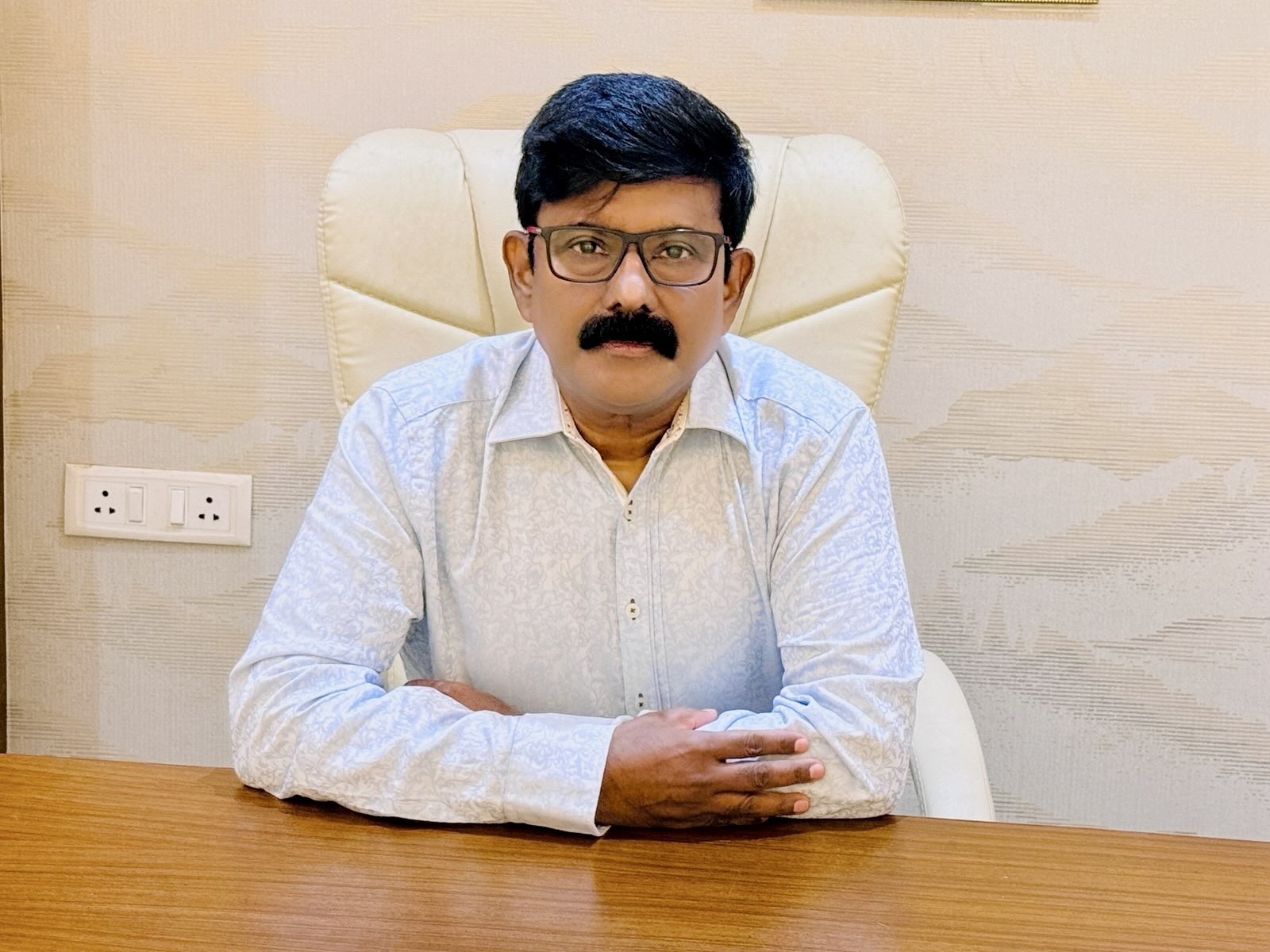
Dr Chinnadorai Rajeswaran talks about metabolic health, healing, and what really matters when it comes to lasting change.

Specialist care for complex severe obesity
When weight is only part of the story, your care must see the whole person.
Healing with compassion for body, mind and soul
Your health may feel complicated. Your care should not feel fragmented. We bring obesity care, diabetes and endocrinology together with real support for the mind — low mood, stress and emotional eating — so the whole person is cared for, never judged.
Specialist-led care, wherever you are.
Who this clinic is for
When the usual answers have not been enough
Our clinic is for people living with complex severe obesity, including those other weight services have not been able to help and those who have not responded to treatment elsewhere.
We begin by understanding the physical, hormonal, metabolic and emotional factors behind your weight. Previous attempts do not define you — they help us understand what your care needs to address.

Medical conditions
Care that sees the connections

Complex severe obesity
Understanding the physical, metabolic and emotional factors behind your weight.
Explore condition
Diabetes & prediabetes
Care that considers blood glucose, weight and your wider metabolic health together.
Explore condition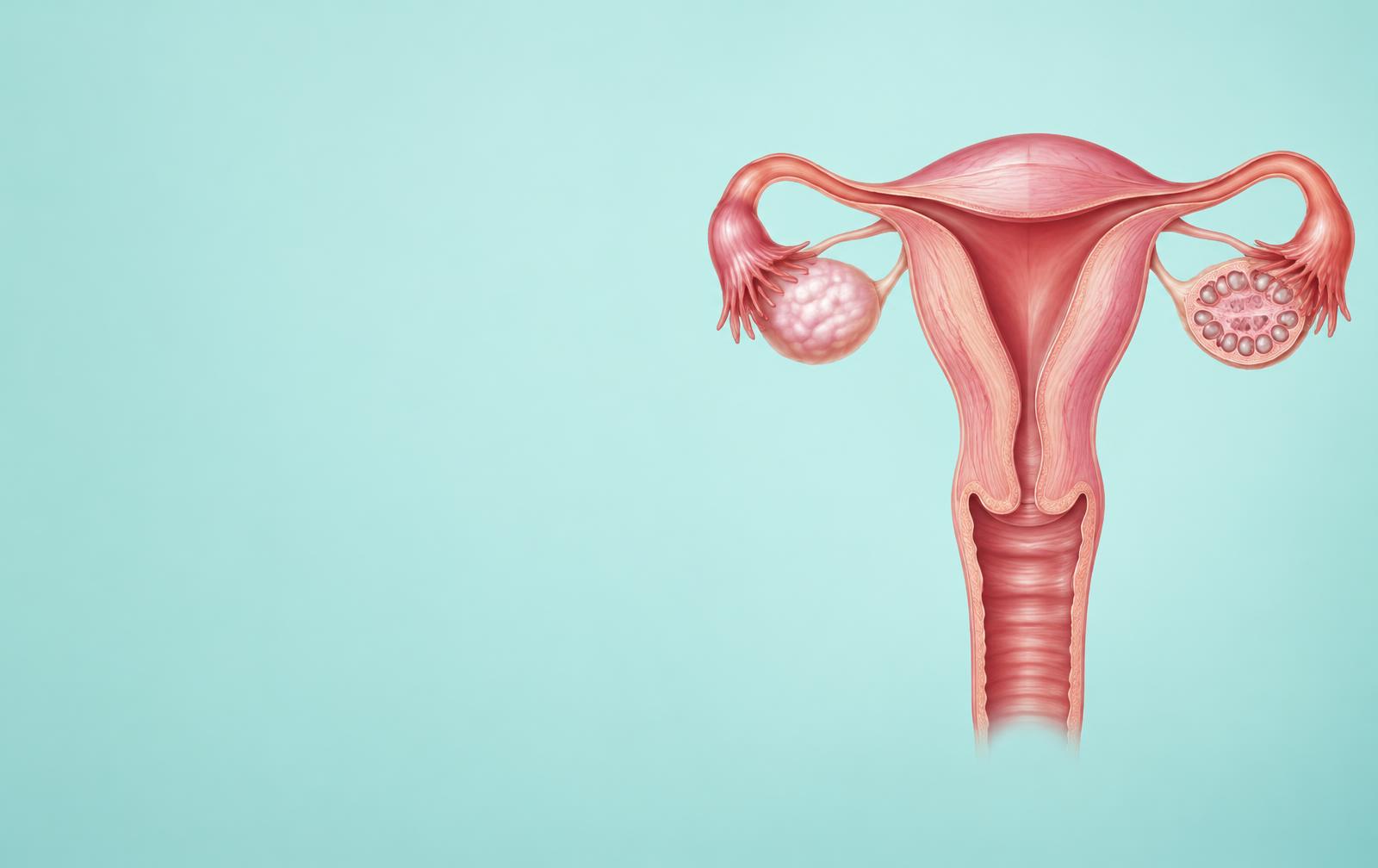
PCOS
Polycystic Ovary Syndrome (PCOS): hormonal symptoms, metabolism and reproductive health considered together.
Explore condition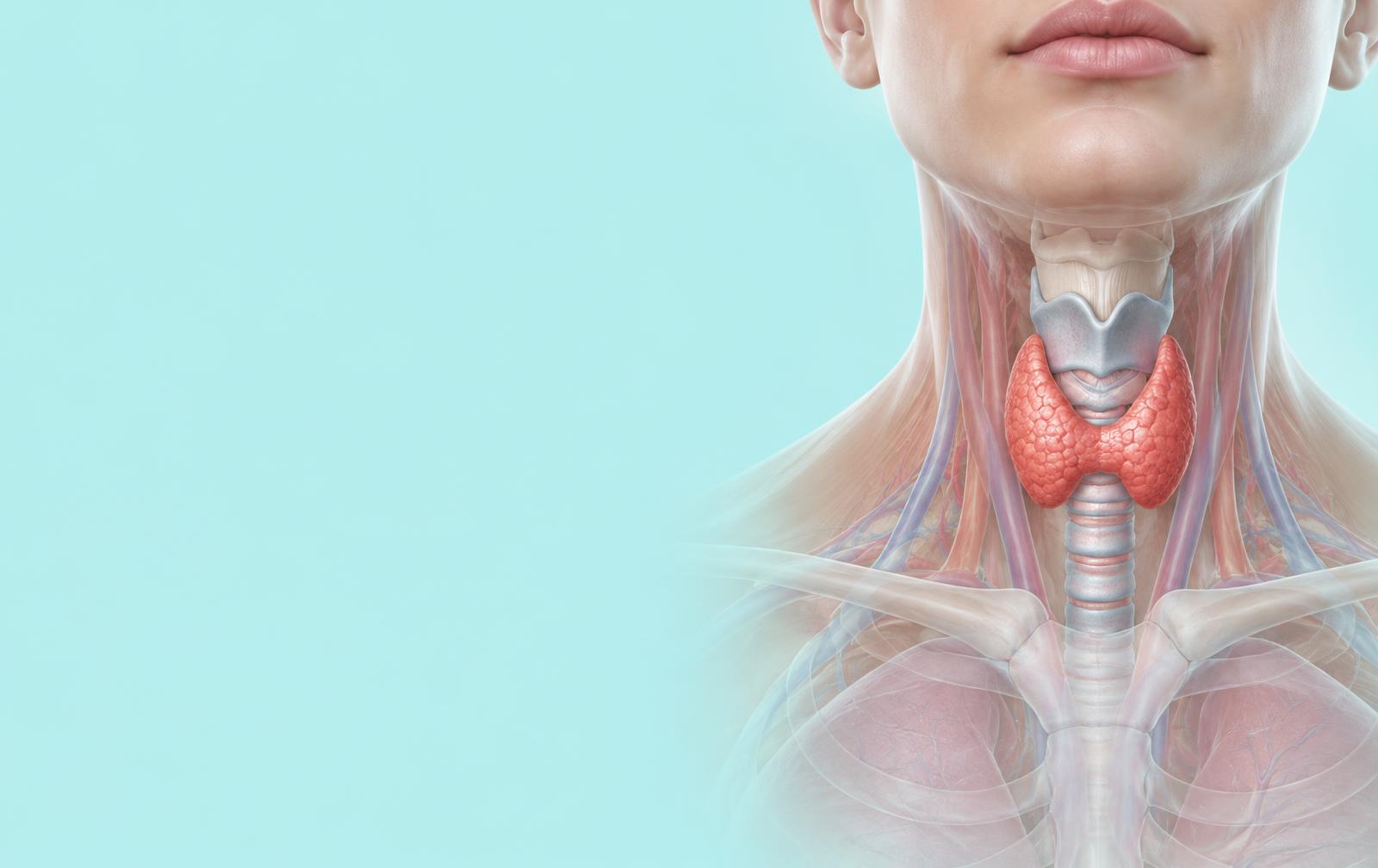
Hypothyroidism
Looking beyond weight to understand thyroid function, symptoms and wellbeing.
Explore condition
Menopause & weight
Individual care for the hormonal and metabolic changes of menopause.
Explore condition
Fertility & hormones
Exploring the connections between hormones, weight and fertility concerns.
Explore condition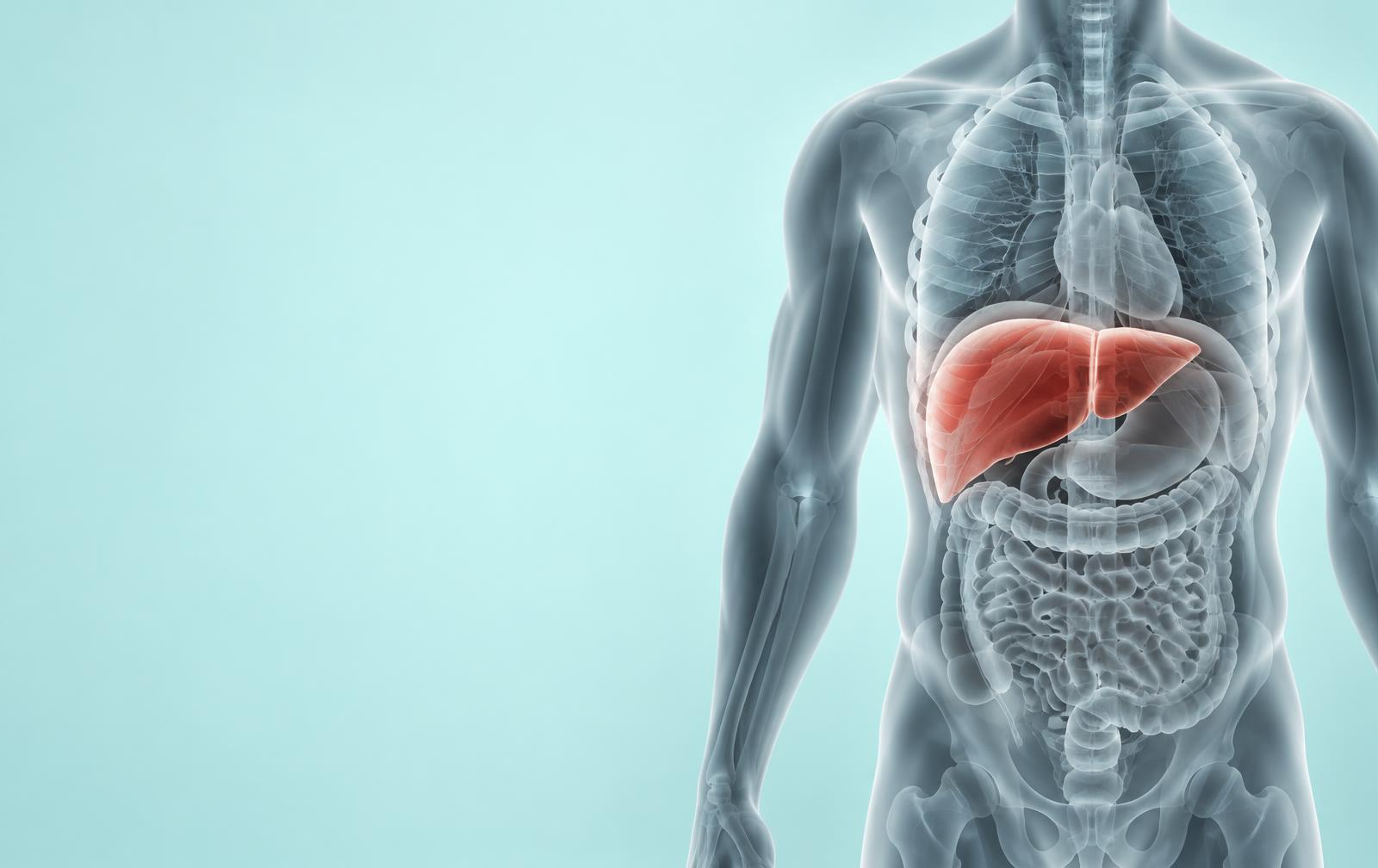
Fatty liver
Considering liver health as part of a broader picture of metabolic wellbeing.
Explore condition
Men’s hormonal health
Sensitive assessment of hormonal concerns and their links to wider health.
Explore condition
Long-term weight maintenance
Ongoing support that recognises weight maintenance as part of long-term care.
Explore condition
Post-bariatric weight regain
Understanding weight changes after surgery, without blame or judgement.
Explore conditionWhy choose us
We look for the cause, not the number on the scales
Your weight is part of a wider clinical picture. We look at the hormonal, metabolic, inflammatory and emotional factors behind it, then recommend care shaped around your whole health.
World-Class Specialist Care
Under the clinical leadership of a specialist with over 30 years in obesity care and endocrinology, trusted by patients from more than 30 countries.
Whole-Person Healing
Weight gain is rarely one issue. We address the interconnected metabolic, hormonal, inflammatory and emotional factors — body, mind and soul.
Careful Ongoing Review
Your response, comfort and wider health are reviewed throughout care, with support adjusted to your individual needs.
Long-Term Weight Maintenance
Weight maintenance is considered from the start, with a planned approach to ongoing support and the next stage of your care.
Meet our lead specialist
Dr Chinnadorai Rajeswaran
Also known as Dr Raj
I believe weight management plays an essential role in the healing of modern chronic illness.
Weight gain is rarely a single issue, but the result of interconnected metabolic, inflammatory and emotional factors.
True healing comes from understanding these complexities and supporting the whole person — body, mind and soul — with compassion.
Associations & memberships
- Royal College of Physicians

- Society for Endocrinology

- Association of British Clinical Diabetologists

- Diabetes UK

- Association for the Study of Obesity

- British Menopause Society

- Indian Medical Association
- Research Society for the Study of Diabetes in India (RSSDI)
- General Medical Council registration
- National Diabesity Forum — Founder & Chair
WATCH
Medicine, unhurried
Many people get the short answer. Here, Dr Raj gives the long one.
Dr Chinnadorai Rajeswaran, along with his dietitian colleague, discusses common weight loss and endocrine topics and debunks them once and for all.
Dr Rajeswaran explains the science behind infobesity and shares simple ways to protect your mental space and support your physical health.
Did you know you can lose muscle mass alongside weight loss? Dr Rajeswaran explains.
Dr Chinnadorai Rajeswaran uncovers the unseen factors that could be sabotaging your weight loss journey.
Did you know that being overweight or obese could have a negative impact on your vision?

Your Journey
How it works
Book a consultation
Choose your clinic and arrange your appointment.
A doctor assesses you
Your medical history, your conditions and the factors driving your weight are reviewed, and a doctor recommends the level of support you actually need. For some people that is the Specialist Weight Management Plan. For others it is consultations and review alone. It depends on what is going on.
Ongoing clinical review
Your progress, response and tolerability are monitored, and your plan adjusted as needed.
The way this works differs between our UK and Chennai clinics.
Our Approach
The Specialist Weight Management Plan
The Specialist Weight Management Plan is our most intensive option for the most complex cases. Dr Raj recommends it after your initial consultation where it is the right level of support. Not everyone needs it. For others, consultations and review alone are enough, and what you are offered depends on what is actually going on.
Specialist Consultations
Specialist-led review of your history and conditions before anything is recommended.
Medical Treatment
Treatment where it is clinically appropriate, adjusted according to how you respond.
Blood Sugar Monitoring
Glucose patterns tracked to uncover insulin resistance and keep treatment safe.
Dietary Support
Practical nutrition that protects muscle and keeps you nourished, not just eating less.

Sleep Guidance
Broken sleep drives appetite and glucose — we treat it as part of your metabolic care.
Hunger & Appetite
Understanding your hunger and fullness signals so treatment works with your biology.
Inflammation
Chronic inflammation links weight with pain and metabolic disease — it is assessed too.
Mind
Low mood, emotional eating and stress addressed directly as part of your care.
In our patients' words

It has been a pleasure working with Dr. Raj & team during my 39 kg weight loss. I have been morbidly obese my entire adult life and thought I would never be able to take the weight off. For the first time in 25+ years there was hope! Treatment and hard work, and I feel great in so many ways. Now in maintenance I continue to rely on the support of the clinic -- they are always there when you need them. I highly recommend.
I would 100% recommend the Simplyweight Weight Management Programme. Having tried most of the weight loss plans available (you name it, I've probably done it!) over the last 10 years, I was pretty sure that bariatric surgery was the only option for me. – now I know that's not the case! The support from Dr Raj, Addic and the rest of the team has been second to none. I have completely changed my attitude towards food and exercise and they have helped me to realise that my journey is a marathon not a sprint. I have successfully lost 30lbs and this was without starving myself on shakes/meal replacements like other diets! If you are considering joining a simply weight management plan, please use this testimony as encouragement to go for it. I wish I had found them sooner!
Dr.Raj listened to all my issues without any judgement, with patience and understanding. I didn't feel rushed and he answered all my questions. The Dr and his team was also able to expedite the process even though I reached out last minute and with a limited time Chennai visit. The office team are also very knowledgeable, responsive and helpful. They are very familiar with overseas patients. Excellent Dr and team, highly recommend for your weight and endocrine needs!
Having been very unwell for over 12 months and passed from pillar to post Dr Rajeswaran is the first to have actually listened and not pick the easy option/answer of ME/CFS. Inspires confidence that he will work to support me and find an answer and help me get a life back.
I had obesity, diabetes and hidradenitis suppurativa, Dr Rajeswaran and team helped me treat all these conditions. I have suffered with infections for several years and now feel very good. Thank you very very much.
How can you say thank you for somebody who changed your life? Well I'm going to attempt to do it… I came to simply weight not so much as a last resort but more of a last cry for help. It's actually sad how we have all learned to suppress our feeling of helplessness just to keep on living for the sake of it. I always thought that as a successful and educated professional I was doing everything right. I certainly thought I have all the tools and skills required to make a significant change in my life. I was wrong. And through simplyweight I learned things about myself and the world, things I thought i already knew but I couldn't have been further from the truth. Today I stand here not just 4 stone lighter and healthier, but equipped with the skills that will stay with me for the rest of my life. Skills of acceptance, but not acceptance of the present, but acceptance of the fact that you control your own life. You control aspects of your life you didn't know you could. Your present your future and everything in between. Dr Raj and his devoted and professional team has not just helped me to become the person I wanted to be but helped me lead a life that's inspiring to others. I can say nothing but thank you with all my heart. Thank you for helping me grow into a person we all should aspire to be and thank you for giving me the opportunity to help others with everything I have learned. Last but not least thank you for showing me the way to a happy healthy and balanced life.
Global Reach
Serving & Helping Patients fromCountries
Featured in





Clinical Insights
Understanding what's actually going on
Clear answers to the questions patients actually ask about weight, hormones and metabolic health.

Complex severe obesity
Complex Severe Obesity: Why One Cause Is Never the Whole Story
Severe obesity usually reflects interacting biological, medical, medication-related, sleep, and psychological factors rather than one cause. A clinician can assess these contributors and tailor care; avoid stopping prescribed medicines or starting weight-loss treatment without medical advice.
Diabetes & insulin resistance
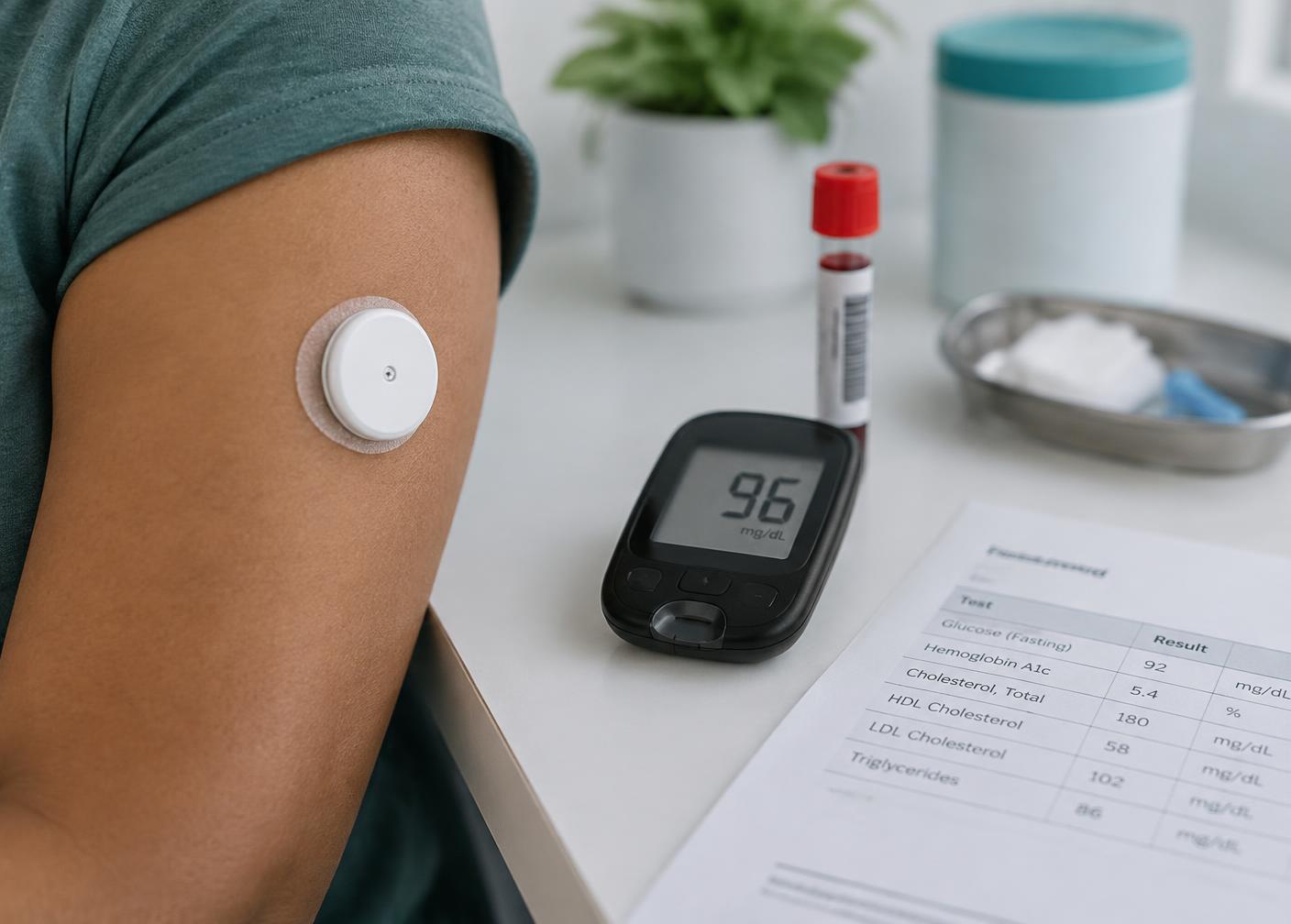
Type 2 Diabetes and Weight: What Remission Really Means
Type 2 diabetes remission means glucose levels below the diabetes range without glucose-lowering medication for a sustained period; it is not a cure, and diabetes can return. Weight loss can support remission for some people, especially earlier in the condition, but medication changes and ongoing HbA1c monitoring should be clinician-supervised.

Men's health
Erectile Dysfunction as a Metabolic Warning Sign
Erectile dysfunction can be related to diabetes, high blood pressure, vascular disease, hormonal issues, medicines, or psychological factors, and sometimes precedes cardiovascular symptoms. Arrange a medical assessment rather than assuming it is only a sexual problem; seek urgent care for chest pain or sudden neurological symptoms.
Nutrition & metabolism
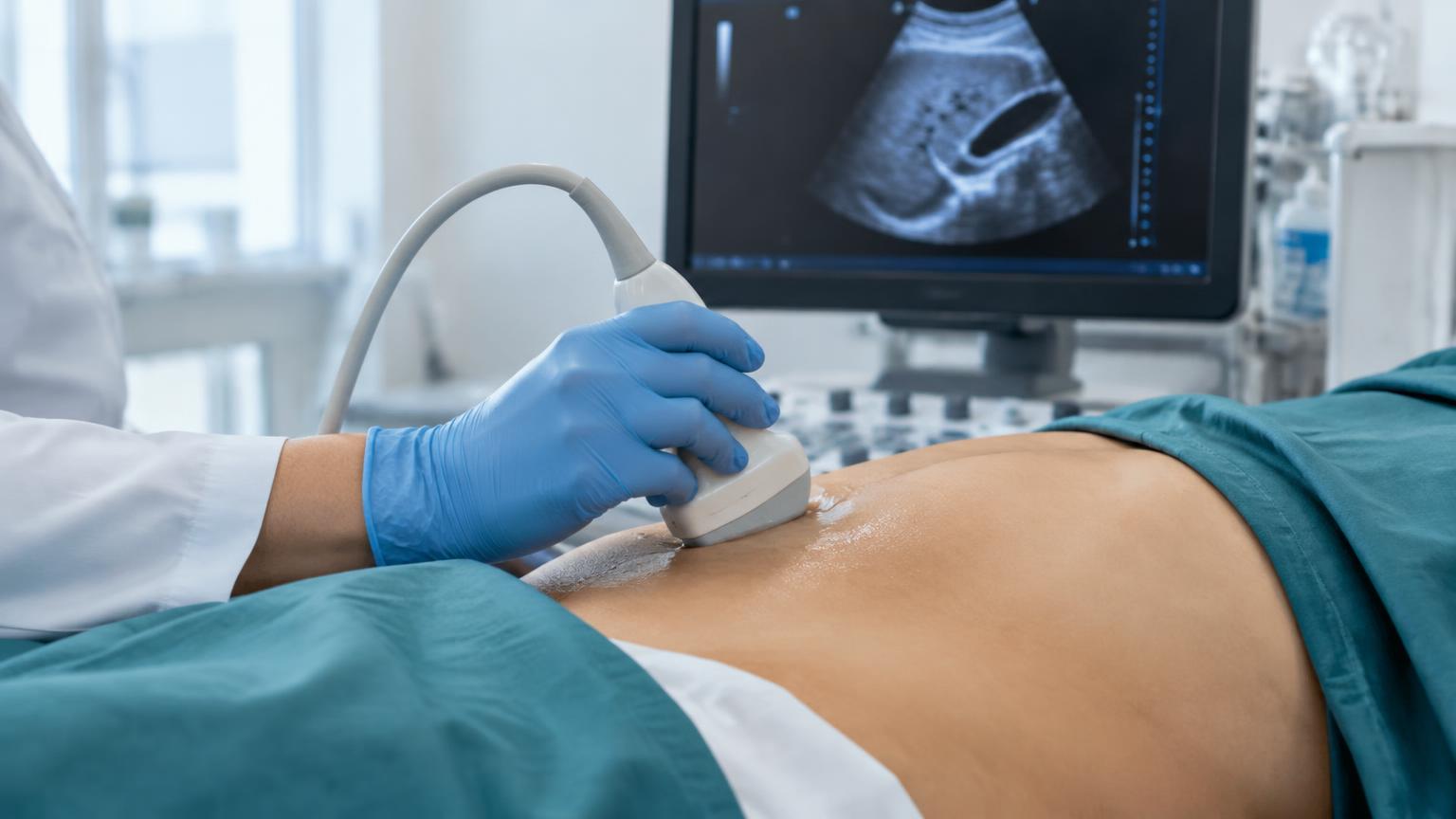
Fatty Liver Disease (MASLD): The Quietest Metabolic Condition
MASLD is fat buildup in the liver associated with metabolic risk, and normal liver blood tests do not rule out liver scarring. Ask a clinician about risk assessment and fibrosis testing; improving metabolic health and limiting alcohol can help, but avoid crash diets and seek review for known liver disease.

Hormones & endocrine
Hypothyroidism and Weight: What Treatment Can and Cannot Fix
Treating hypothyroidism with appropriately prescribed levothyroxine corrects thyroid hormone deficiency but may not resolve weight changes unrelated to the thyroid. Take it as directed, separate it from iron or calcium as advised, and have thyroid tests reviewed before any dose change.

Women's health
Weight and Fertility: Preparing the Body for Conception
Weight can affect ovulation and fertility, but it is only one of many influences and weight loss does not guarantee conception. If trying to conceive, discuss fertility and preconception care with a clinician; review medicines first, since some weight-loss drugs should not be used during pregnancy.

Women's health
Menopause, Weight Change and Metabolic Health
Menopause can shift fat distribution and coincide with changes in sleep, muscle mass, and activity, but weight change is not inevitable or explained by hormones alone. If weight or symptoms concern you, discuss individual risks and treatment options with a clinician; menopausal hormone therapy is not a weight-loss treatment.

Women's health
PCOS: Why Insulin Sits at the Centre
PCOS can involve insulin resistance, irregular ovulation, and androgen symptoms, but mechanisms and symptoms vary. A clinician can assess metabolic and reproductive health and discuss options; do not use insulin-lowering medicines or supplements without advice, particularly when pregnant or trying to conceive.