After Bariatric Surgery: Protecting the Result
Quick answer
Weight regain after bariatric surgery can occur and does not mean the operation has failed; anatomy, eating patterns, medicines, and metabolic changes may contribute. Contact your bariatric or primary-care team for assessment and nutritional monitoring, and seek prompt care for severe abdominal pain, persistent vomiting, or inability to keep fluids down.

Bariatric surgery is an effective treatment, and outcomes are best when medical follow-up continues long after the operation. Two issues dominate later years: nutritional deficiency and weight regain.
Nutritional surveillance
Altered anatomy reduces absorption of several nutrients for life. Standard surveillance includes iron and ferritin, vitamin B12, folate, vitamin D, calcium and parathyroid hormone, and where relevant zinc, copper, selenium, thiamine and vitamin A. Deficiencies develop silently and present as fatigue, hair loss, neuropathy or bone loss.
Lifelong supplementation is not optional, and the specific regimen depends on the procedure. Thiamine deficiency in particular can cause neurological harm quickly if vomiting occurs.
Weight regain
Some regain is normal and expected. Substantial regain has identifiable causes: adaptation of appetite hormones, reduced portion restriction over time, grazing patterns, alcohol, weight-promoting medicines, untreated sleep apnoea, and low mood. Assessment looks for the mechanism rather than assuming non-adherence.
Where medication fits after surgery
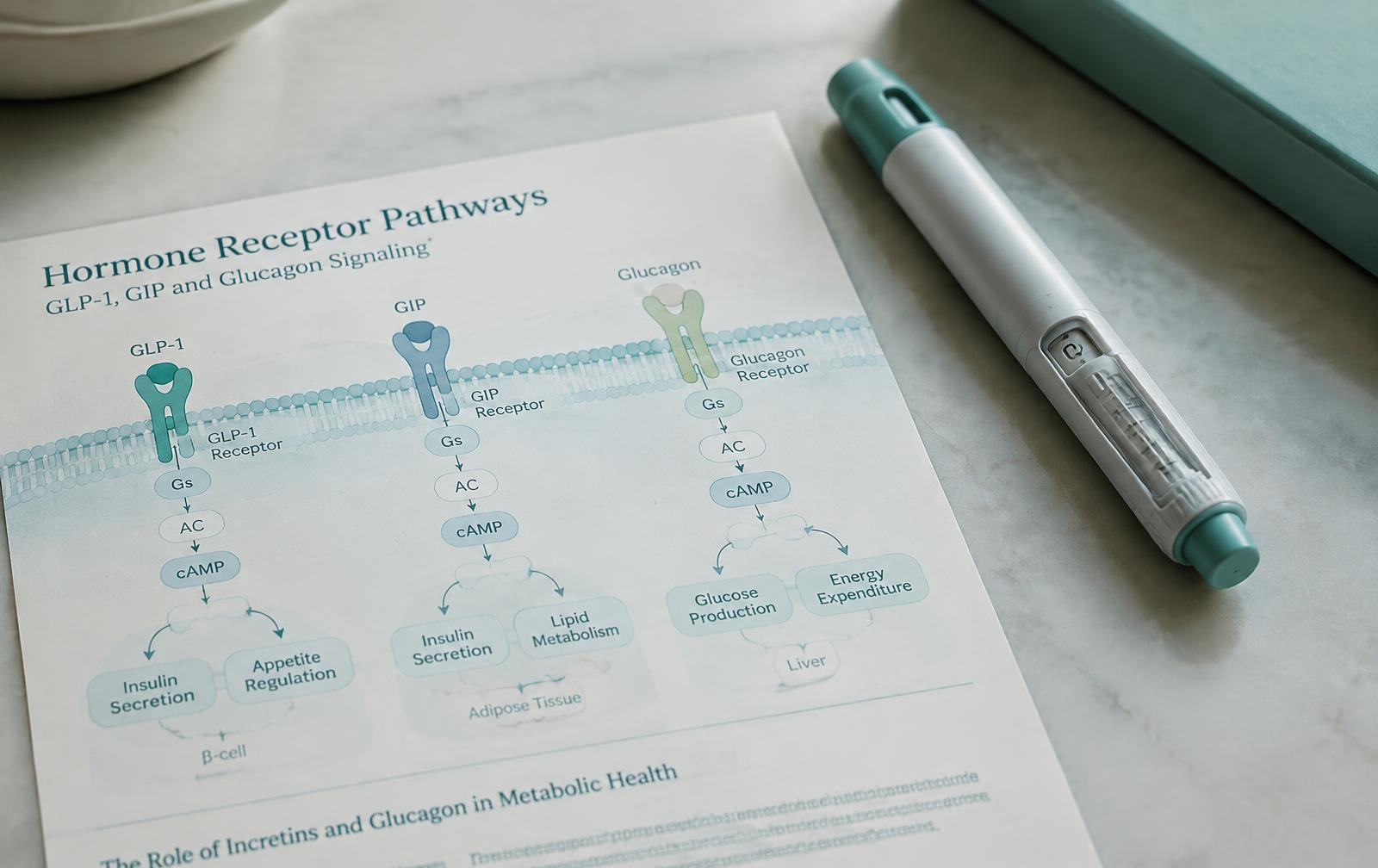
GLP-1 and dual-agonist medicines are used in some post-surgical patients, and evidence for this combined approach continues to build. Dosing and monitoring differ because absorption and tolerance differ, and nausea can worsen nutritional intake in someone already at risk. This is specialist territory, not an online prescription.
Other issues we look for
- Reactive hypoglycaemia after eating, which is treatable
- Dumping syndrome and food intolerances
- Reflux, which can develop or worsen after some procedures
- Bone density, given calcium and vitamin D absorption changes
- Psychological wellbeing, including body image and eating patterns
Surgery buys a substantial physiological advantage. Long-term medical care is what converts that advantage into a durable result.

Reviewed by
Dr Chinnadorai Rajeswaran
Specialist Endocrinologist · MBBS MRCP FRCP
Last Reviewed: November 2026
Read about post-bariatric care and related care.
Related insights

Complex Severe Obesity: Why One Cause Is Never the Whole Story
Severe obesity usually reflects interacting biological, medical, medication-related, sleep, and psychological factors rather than one cause. A clinician can assess these contributors and tailor care; avoid stopping prescribed medicines or starting weight-loss treatment without medical advice.
Why doesn't weight-loss medication work for everyone?
People vary in their response to semaglutide, and limited weight change does not necessarily mean they are biologically 'resistant.' Dose and duration, missed doses, other medicines, health conditions and individual biology can matter; review progress with a prescriber before changing treatment.

Where does fat actually go when you lose weight?
When the body uses stored fat for energy, fat cells generally shrink rather than disappearing or being excreted intact. The fat is converted through metabolism mainly into carbon dioxide, which is breathed out, and water; weight change also involves other tissues and fluid.