
From the clinic
Clinical Insights
Clear answers. A closer look at the conditions we treat.
Clear answers. A closer look at the conditions we treat.

People vary in their response to semaglutide, and limited weight change does not necessarily mean they are biologically 'resistant.' Dose and duration, missed doses, other medicines, health conditions and individual biology can matter; review progress with a prescriber before changing treatment.
Read the insight →87 articles

Severe obesity usually reflects interacting biological, medical, medication-related, sleep, and psychological factors rather than one cause. A clinician can assess these contributors and tailor care; avoid stopping prescribed medicines or starting weight-loss treatment without medical advice.
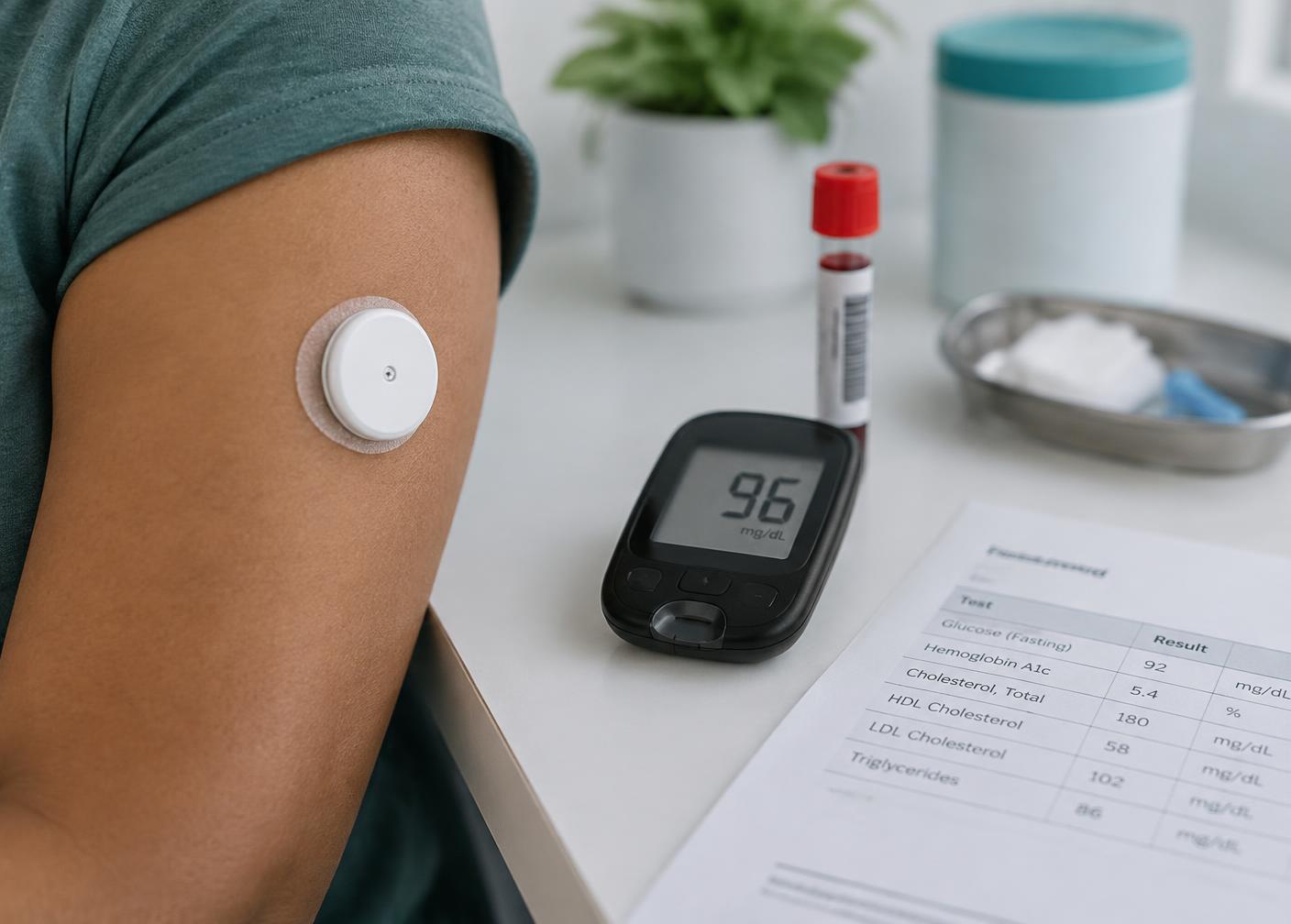
Type 2 diabetes remission means glucose levels below the diabetes range without glucose-lowering medication for a sustained period; it is not a cure, and diabetes can return. Weight loss can support remission for some people, especially earlier in the condition, but medication changes and ongoing HbA1c monitoring should be clinician-supervised.

Erectile dysfunction can be related to diabetes, high blood pressure, vascular disease, hormonal issues, medicines, or psychological factors, and sometimes precedes cardiovascular symptoms. Arrange a medical assessment rather than assuming it is only a sexual problem; seek urgent care for chest pain or sudden neurological symptoms.

MASLD is fat buildup in the liver associated with metabolic risk, and normal liver blood tests do not rule out liver scarring. Ask a clinician about risk assessment and fibrosis testing; improving metabolic health and limiting alcohol can help, but avoid crash diets and seek review for known liver disease.

Treating hypothyroidism with appropriately prescribed levothyroxine corrects thyroid hormone deficiency but may not resolve weight changes unrelated to the thyroid. Take it as directed, separate it from iron or calcium as advised, and have thyroid tests reviewed before any dose change.

Weight can affect ovulation and fertility, but it is only one of many influences and weight loss does not guarantee conception. If trying to conceive, discuss fertility and preconception care with a clinician; review medicines first, since some weight-loss drugs should not be used during pregnancy.

Menopause can shift fat distribution and coincide with changes in sleep, muscle mass, and activity, but weight change is not inevitable or explained by hormones alone. If weight or symptoms concern you, discuss individual risks and treatment options with a clinician; menopausal hormone therapy is not a weight-loss treatment.

PCOS can involve insulin resistance, irregular ovulation, and androgen symptoms, but mechanisms and symptoms vary. A clinician can assess metabolic and reproductive health and discuss options; do not use insulin-lowering medicines or supplements without advice, particularly when pregnant or trying to conceive.

Weight regain after bariatric surgery can occur and does not mean the operation has failed; anatomy, eating patterns, medicines, and metabolic changes may contribute. Contact your bariatric or primary-care team for assessment and nutritional monitoring, and seek prompt care for severe abdominal pain, persistent vomiting, or inability to keep fluids down.

Weight regain after stopping GLP-1 treatment is common because appetite and weight-regulating biology persist, though individual responses differ. Discuss a long-term plan with the prescriber before stopping or restarting, and do not alter doses independently.

Foundayo is a once-daily orforglipron tablet licensed in the UK, offering an oral route without the fasting routine required for oral semaglutide. Taking a tablet rather than an injection does not remove the need for a doctor to assess suitability, monitor side effects and review ongoing treatment.

Oral and injectable GLP-1 medicines differ in absorption, dosing, evidence, and practical considerations; neither route is automatically best for everyone. A prescriber should choose based on the specific product, medical history, preferences, and local approval, with instructions followed exactly.

Retatrutide remains investigational, with ongoing trials assessing its benefits, risks and longer-term safety. The evidence is not yet complete, and it is not licensed or available at our clinics; products sold online are not approved alternatives.

Unregulated weight-loss peptides may have incorrect ingredients, contamination, uncertain strength, or unsafe handling, and their effects may not be established. Avoid injecting or ingesting products from informal sources; seek medical advice if you have used one and develop symptoms.
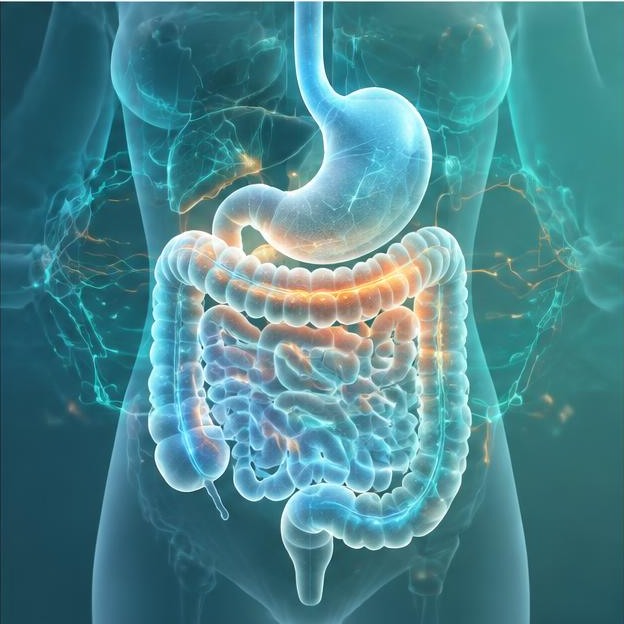
Tirzepatide activates GIP and GLP-1 receptors, affecting glucose regulation, appetite, and stomach emptying. It is prescribed for specific indications according to local authorisation; discuss suitability and risks with a clinician, and seek urgent help for severe or persistent abdominal pain.

Weight change with tirzepatide varies, and trial averages do not predict an individual's result; outcomes depend on dose, duration, indication, and other factors. Use it only under an authorised prescriber's supervision and do not escalate doses faster than prescribed.

Tirzepatide may produce greater average weight reduction than some comparators in particular trials, but comparisons depend on study design, dose, and population and do not establish it as the right choice for everyone. A prescriber should weigh benefits, risks, approved indication, and your medical history.

Vitamins and minerals support normal body and hormone function, but taking extra micronutrients has not been shown to cause weight loss when there is no deficiency. Seek testing or advice before supplements, especially high-dose products, and address weight through evidence-based, individualised care.

GLP-1 medicines can reduce appetite, but persistent inability to eat or drink can lead to dehydration and inadequate nutrition. Contact your prescriber if intake is very low or symptoms persist; seek urgent care for repeated vomiting, fainting, severe pain, or signs of dehydration, and do not change the dose on your own.

The rise in energy use after a meal, called the thermic effect of food, varies with meal size and composition and among individuals. It is a normal, relatively limited part of daily energy expenditure, not a reliable way to predict weight change or justify supplements.
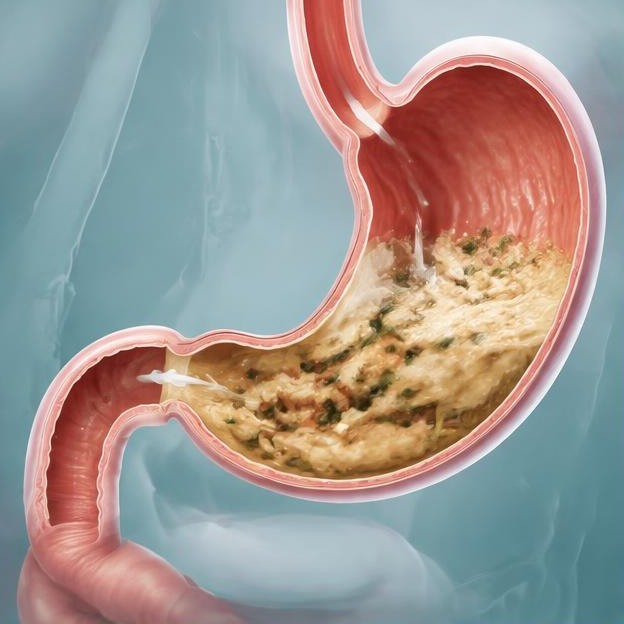
GLP-1 medicines slow stomach emptying, which can cause nausea, fullness, constipation, or, rarely, more serious motility problems; symptoms are not always preventable. Eat smaller meals and follow the prescriber's advice, and seek urgent assessment for severe persistent pain, repeated vomiting, or inability to keep fluids down.

Mounjaro (tirzepatide) may improve weight and insulin-related features in some people with PCOS, but it is not a proven cure and evidence specific to PCOS is still developing. Discuss approved indications, contraception, pregnancy plans, and alternatives with a clinician; do not use it during pregnancy.

Mounjaro is not licensed specifically to treat erectile dysfunction, and any improvement would be indirect if metabolic health changes. Erectile dysfunction needs assessment for cardiovascular, diabetes, medication, and hormonal causes; do not delay evaluation while pursuing weight treatment.

Wegovy may help eligible adults lose weight, including during menopause, but evidence does not show a menopause-specific effect and results vary. A clinician can assess whether it is appropriate alongside other causes and risks; it should not be used during pregnancy, and treatment planning matters if pregnancy is possible.

Wegovy is not an established treatment for PCOS, although weight loss in some eligible patients may improve metabolic or ovulatory features; direct PCOS evidence remains limited. Discuss PCOS-specific care and medication suitability with a clinician, including contraception and pregnancy plans, and avoid it during pregnancy.

Mounjaro (tirzepatide) can support weight management for some people who meet prescribing criteria, including during or after menopause. It does not treat menopause or replace hormone therapy, and menopause-specific evidence is limited; discuss suitability and symptoms with a clinician.

There is no strong evidence that Mounjaro directly raises or lowers sexual desire. Nausea, fatigue, mood, other medicines and health changes can affect libido; seek a review if a change persists or troubles you rather than changing treatment yourself.
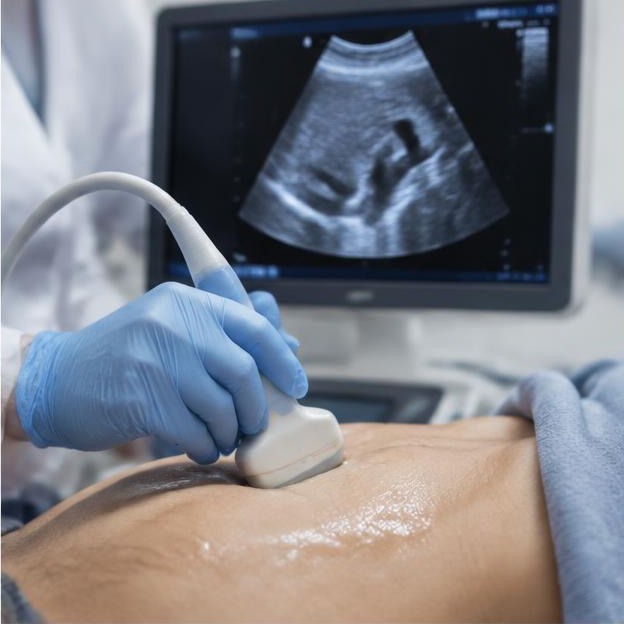
Gallstones or gallbladder inflammation can occur with Mounjaro, Wegovy or Ozempic, and weight loss itself can also contribute. Seek prompt medical advice for persistent upper abdominal pain, fever or yellowing of the skin or eyes; seek emergency care for severe symptoms.

Mounjaro is not a fertility treatment, and it has not been shown to improve the chance of a live birth. Weight or metabolic changes may affect ovulation for some people, but tirzepatide should not be used when trying to conceive or during pregnancy; plan contraception and stopping treatment with your clinician.

Semaglutide can reduce appetite, but it does not ensure adequate nutrition, preserve strength or address sleep and daily habits on its own. Food and activity support should be practical and tailored, with clinical guidance to help maintain health during treatment.

Wegovy is not an erectile dysfunction treatment, and evidence that semaglutide directly improves erections is limited. It may indirectly affect contributors such as weight-related health, but new or persistent erection problems warrant assessment for vascular, hormonal, medication and psychological causes.

Side effects cannot always be prevented; taking dose increases only as prescribed, eating smaller meals and drinking enough may ease common digestive symptoms. Contact your prescriber for persistent vomiting or difficulty eating or drinking, and get urgent care for severe abdominal pain, allergic symptoms or sudden vision changes.

Evidence does not show a reliable direct effect of Wegovy on sexual desire, and it is not licensed to treat low libido. Health changes or side effects such as nausea and fatigue may influence desire; discuss persistent or distressing changes with a clinician.

Weight-management medicines are not asthma treatments, although weight reduction may help breathing or asthma control in some people with obesity. Evidence of a direct effect on asthma is not established; continue prescribed inhalers and follow your asthma action plan.

GLP-1 medicines can affect appetite and food-related reward, but they are not established treatments for food addiction or binge-eating disorder. Evidence is still developing, so seek assessment for loss-of-control eating rather than self-medicating or changing a prescription.
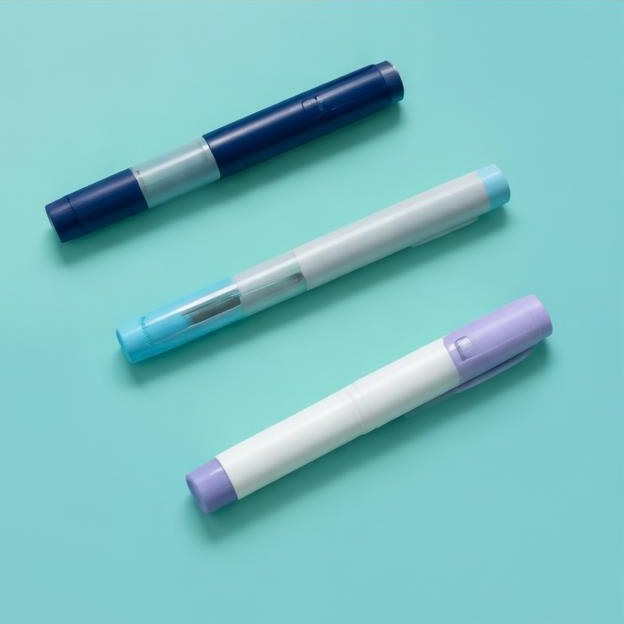
Semaglutide and liraglutide act on GLP-1 receptors, while tirzepatide acts on both GIP and GLP-1 receptors; they differ in dosing, approved uses and individual suitability. None is best for everyone, and comparisons from trials do not guarantee a particular person's response; a prescriber can weigh medical history, risks and access.

Fasting while taking a GLP-1 medicine may worsen nausea, dehydration or inadequate food intake, and can be riskier for people using insulin or certain diabetes medicines. Ask your clinician before fasting, especially if you have diabetes, other health conditions or troublesome side effects; do not change medication doses on your own.
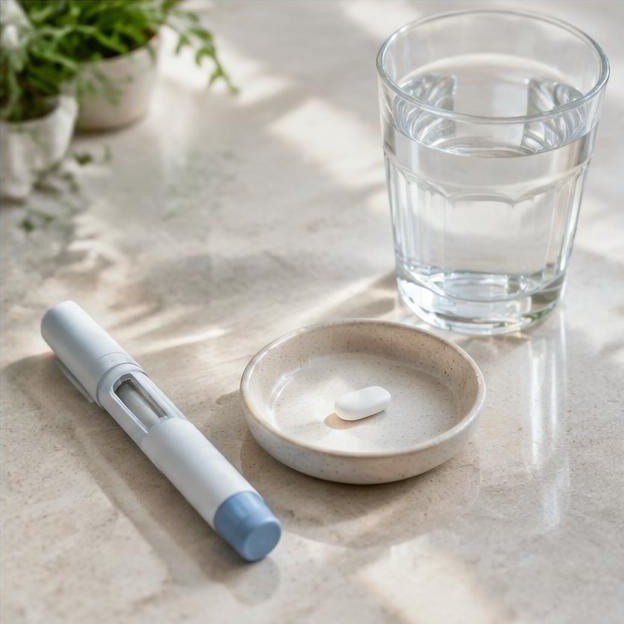
Many peptide medicines are injected because digestive enzymes can break them down and the gut may absorb them poorly; injection allows the medicine to enter the body by a different route. Some peptides have specially formulated oral versions, so the route and dose are medicine-specific and should not be interchanged without medical advice.

You can plan holiday meals and activities around how you feel, choosing manageable portions and keeping fluids and regular nourishment in mind. Do not skip prescribed doses, increase them, or stop treatment to accommodate celebrations without advice; seek help if vomiting or other side effects prevent adequate intake.

Wegovy contains semaglutide and is prescribed for weight management when a doctor confirms it is appropriate. The injection is weekly and the tablet is daily, with different dose schedules and instructions; neither should be started, combined or switched without a prescribing plan.

Mounjaro may be prescribed for type 2 diabetes or weight management when a person meets the relevant criteria and a clinician considers it appropriate. Eligibility, licensing and access rules vary by indication and location; a prescriber should review medical history, medicines, pregnancy plans and potential risks.
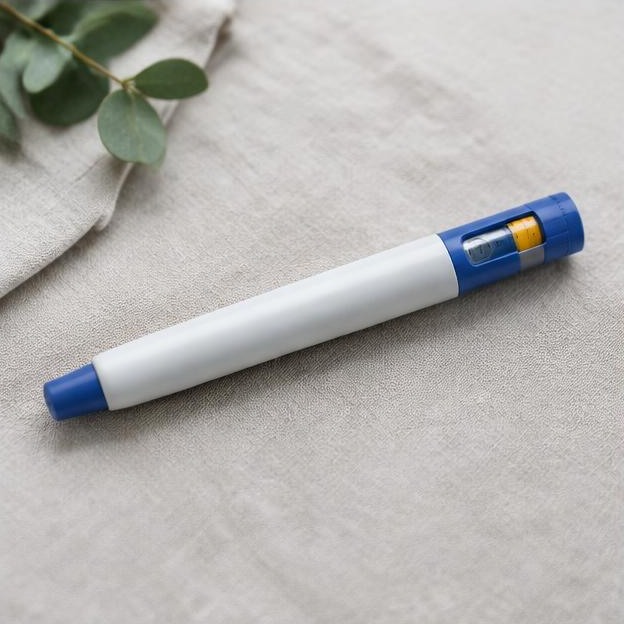
The dose of Wegovy depends on whether you use the weekly injection or daily tablet, how long you have been taking it and how well you tolerate it. A doctor sets gradual increases and reviews your response; the two formulations are not equivalent milligram for milligram and should not be substituted yourself.

Research is exploring newer medicines, combinations and other approaches, but many remain investigational and their benefits and risks are not yet established. Current treatment decisions should rely on medicines approved for the relevant indication and an individual's clinical needs, not predictions about future options.

Semaglutide is not an approved smoking-cessation treatment, and evidence that it helps people quit is not sufficient to recommend it for that purpose. If you want to stop smoking, discuss proven support such as behavioural help and licensed cessation medicines with a healthcare professional.

Some people use tirzepatide long term when it remains appropriate, effective and safe, but duration should be reviewed regularly with a clinician. Weight or blood sugar may change after stopping, and decisions to continue, pause or stop should account for side effects, goals and the reason it was prescribed.
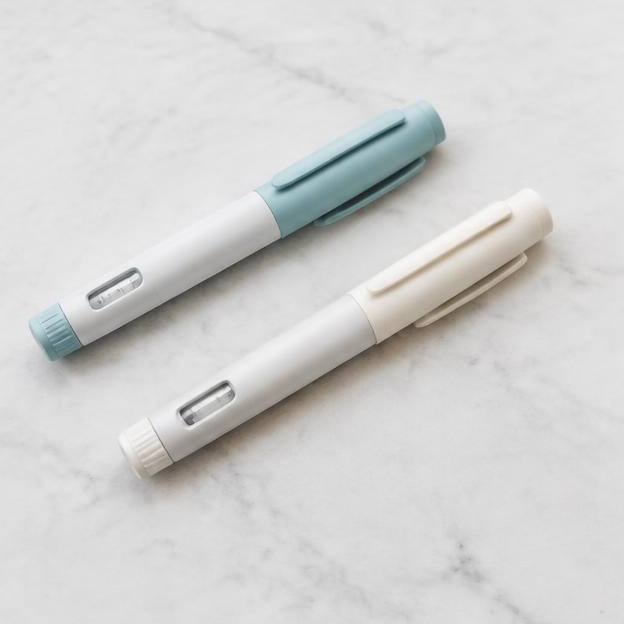
Saxenda contains liraglutide and is used for weight management, while Ozempic contains semaglutide and is licensed for type 2 diabetes; they are different medicines with different dosing schedules. They should not be combined or substituted without a prescriber, and the appropriate option depends on indication, health history and local eligibility.

Mounjaro is not a treatment for depression or weight gain caused by depression, although it may be prescribed for weight management when criteria are met. Depression, appetite and weight can influence one another, so discuss both with a clinician; do not stop antidepressants or alter tirzepatide without advice.

Wegovy (semaglutide) acts on GLP-1 receptors, whereas Mounjaro (tirzepatide) acts on GIP and GLP-1 receptors; both have specific eligibility, dosing and safety considerations. Neither is universally right, and trial averages cannot predict an individual's outcome; a clinician can help compare them for the approved indication.

Semaglutide is not approved to treat alcohol use disorder, and early research does not establish it as a safe or effective treatment for reducing drinking. If alcohol use is difficult to control, seek professional support; do not delay evidence-based care or use someone else's prescription.

Wegovy is not a fertility medicine, and evidence does not establish that semaglutide improves pregnancy or live-birth rates. Weight-related changes may affect ovulation for some people, but semaglutide should not be used during pregnancy; discuss conception plans and stopping treatment with your clinician.
People vary in their response to semaglutide, and limited weight change does not necessarily mean they are biologically 'resistant.' Dose and duration, missed doses, other medicines, health conditions and individual biology can matter; review progress with a prescriber before changing treatment.

When the body uses stored fat for energy, fat cells generally shrink rather than disappearing or being excreted intact. The fat is converted through metabolism mainly into carbon dioxide, which is breathed out, and water; weight change also involves other tissues and fluid.
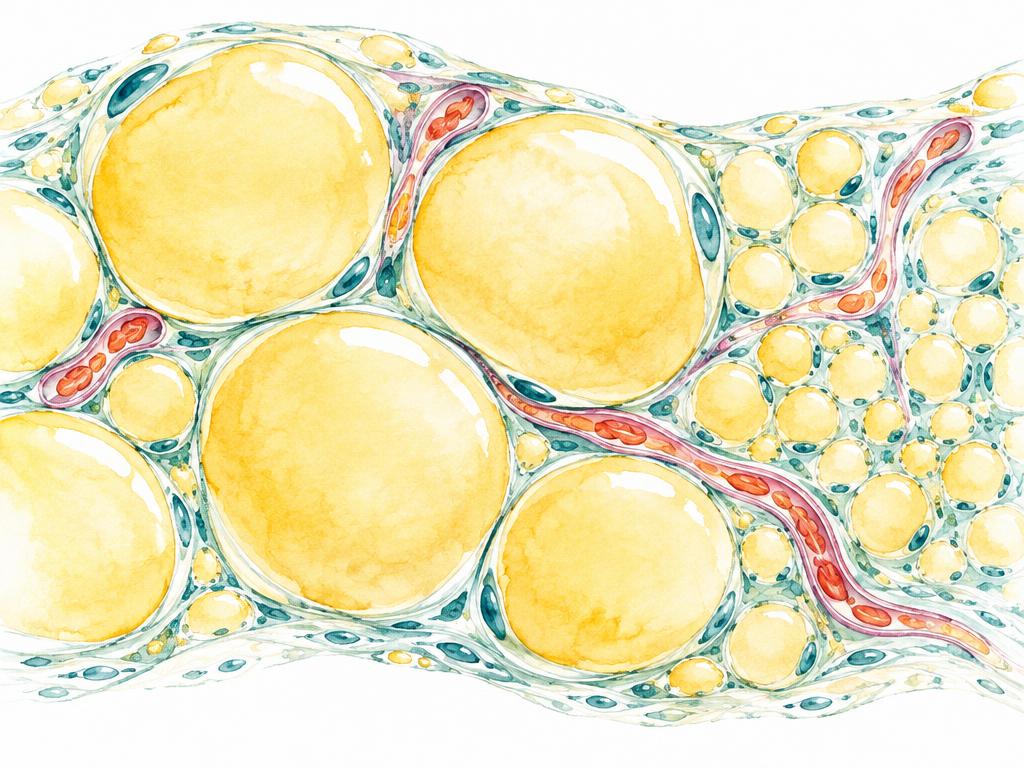
Fat cells usually store more energy by enlarging, and the body may also make additional fat cells; they do not ordinarily burst simply because weight rises quickly. Rapid weight gain can have several causes, including fluid retention, and sudden unexplained change should be discussed with a clinician.

After bariatric surgery, reduced intake, limited activity during recovery, and inadequate protein or nutrients can contribute to loss of muscle along with fat. The amount varies; weakness or persistent vomiting merits prompt review by the bariatric team, and nutrition or exercise plans should be individualised.

Yes, excess body fat or central-fat health risk can occur despite a BMI in the usual healthy range, because BMI does not measure fat directly or show its distribution. Waist measures and clinical risk factors can add context, but appearance or a single measurement cannot diagnose disease.

Acute or serious illness can alter thyroid-hormone production, conversion, and test results without primary thyroid failure. Results need interpretation with symptoms, medicines, and history; testing or treatment decisions should be made with a clinician, often after recovery when appropriate.

DHEA is an adrenal hormone precursor that the body can convert into sex hormones influencing muscle and fat. Age-related declines do not establish a cause of weight or strength changes, and supplements have not reliably shown such benefits; use them only with medical advice.

Alcohol supplies energy and temporarily shifts the liver toward metabolising alcohol, reducing fat oxidation; it may also affect appetite, sleep, and food choices. The effects vary and do not mean alcohol inevitably causes weight gain or permanently stops fat burning.
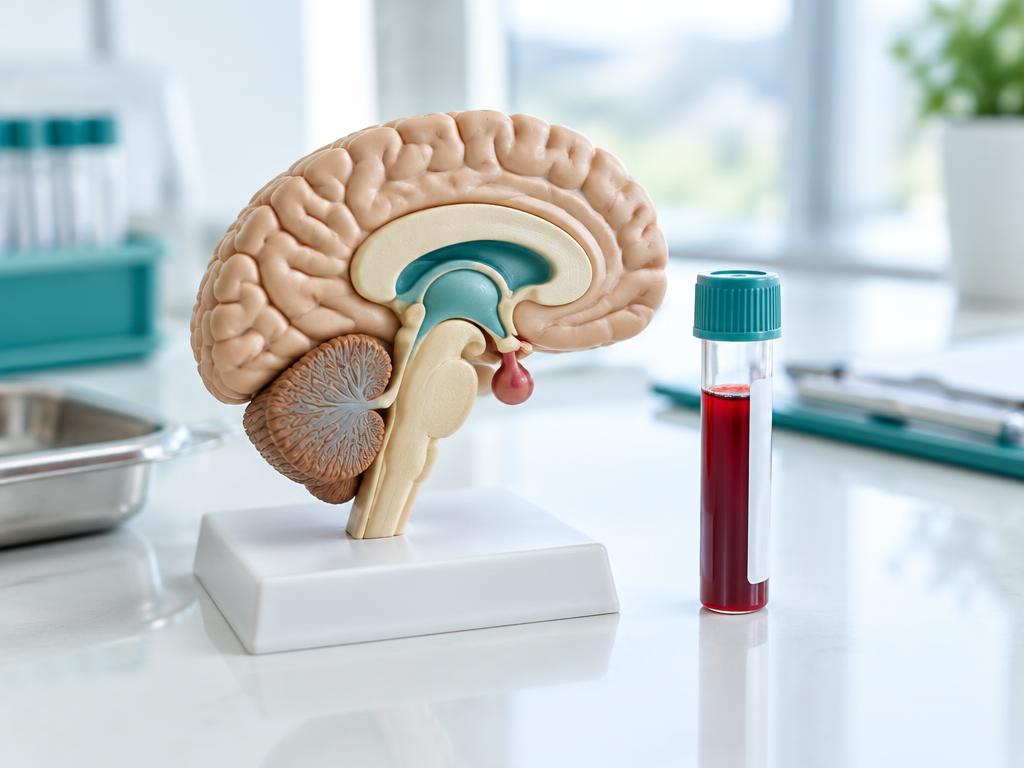
Persistently high prolactin can contribute to weight change in some people, but it does not make weight loss impossible and may have several causes. A raised result needs clinical interpretation and, when persistent, assessment rather than weight-focused self-treatment.

Oxytocin participates in appetite and energy regulation, but it is not an established weight-loss treatment. Evidence is limited and long-term safety and benefit are uncertain; do not use it for weight control outside appropriate medical care.

Most people with thyroid disease do not need to avoid ordinary portions of foods such as broccoli, cabbage, or soya. Adequate iodine and correct use of prescribed thyroid medicine matter; seek individualised advice if you have a specific dietary or medical concern.

Anxiety symptoms are more common in people with PCOS, but the association does not mean PCOS causes anxiety in every person. Hormonal, metabolic, psychological, and social factors may contribute; cortisol alone is not an established explanation, and persistent distress deserves appropriate support.

Myo-inositol and metformin are not interchangeable: metformin has selected established uses, while evidence for inositol and meaningful PCOS outcomes remains uncertain. Choice depends on symptoms, goals, risks, and tolerability, so discuss treatment with a clinician rather than substituting supplements.

Combined contraceptive pills can help irregular cycles and androgen-related symptoms for some people with PCOS, and provide contraception, but they are not a cure and are not suitable for everyone. Medical history, preferences, and pregnancy plans should guide a clinician-supported choice among options.

It is not established that metformin improves the intrinsic quality of eggs in people with PCOS. Changes in hormones, follicles, ovulation, or pregnancy outcomes do not by themselves prove better egg quality or a greater chance of healthy birth; discuss fertility goals with a specialist.

Higher body fat is associated with lower testosterone in some men, but weight is only one possible factor and symptoms alone cannot diagnose deficiency. Testing and interpretation require clinical assessment; do not use testosterone without medical advice, particularly if fertility matters.

Evidence does not show that non-sugar sweeteners as a group uniformly impair insulin sensitivity or cause obesity; effects and long-term evidence vary. Replacing sugary drinks with low- or no-calorie alternatives may reduce sugar intake, but this is not a guaranteed health outcome and water is also an option.

South Asian adults can have metabolic risk at lower BMI levels, and central fat distribution may add information that BMI misses. BMI is a screening measure, not a diagnosis; use appropriate population-specific thresholds alongside waist and other clinical risk factors.
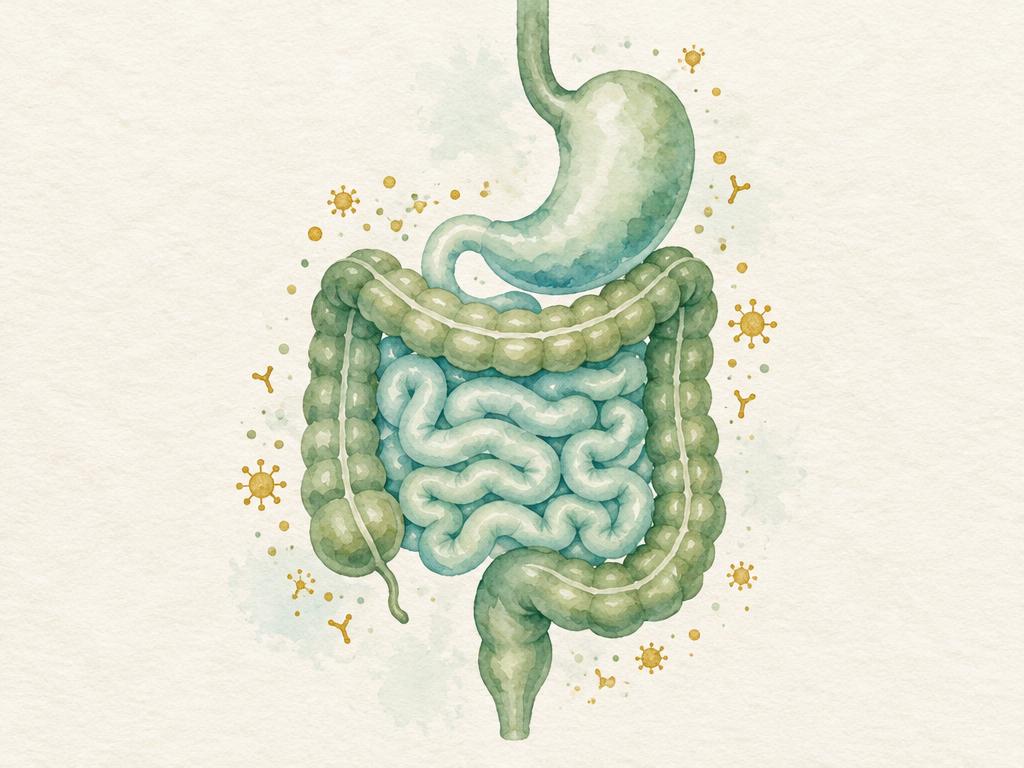
Gut and immune processes interact with metabolism, but ‘leaky gut’ as a direct, established cause of weight gain is not supported. Digestive symptoms or unexplained weight change warrant assessment for recognised conditions; avoid restrictive ‘repair’ regimens or unvalidated tests.

Bloating has many possible causes, and ‘histamine intolerance’ is not a broadly confirmed explanation; food histamine should not automatically be blamed for fluid retention. Persistent symptoms, swelling, or breathing symptoms need appropriate medical assessment, not unsupervised restrictive diets or supplements.

Protein needs depend on age, activity, illness and your nutritional goals, so there is no single target that suits everyone. Include protein-containing foods regularly and seek individual advice during weight treatment or if you have kidney disease, rather than assuming a high-protein diet is always appropriate.

One poor night may cause tiredness and make exercise feel harder, but it does not erase muscle or ruin progress. Adaptation reflects repeated training and recovery; rest or reduce intensity if unwell, and seek help for persistent sleep problems.

Strength training supports strength and function and may benefit mood or some aspects of thinking, but effects vary and cannot be promised for everyone. It does not replace mental-health or cognitive care; start at a level safe for your health and seek advice when needed.

IBS does not inherently prevent weight loss, although pain, bowel symptoms, and restrictive eating can make activity and meals harder. It does not explain every weight change; avoid severe restriction and seek tailored care, especially for unintended weight loss or warning symptoms.

Foundayo (orforglipron) can be taken with or without food because it is a non-peptide small molecule, unlike oral semaglutide, which has specific absorption instructions. These directions are product-specific; follow the instructions for your own medicine and do not generalise to other tablets.
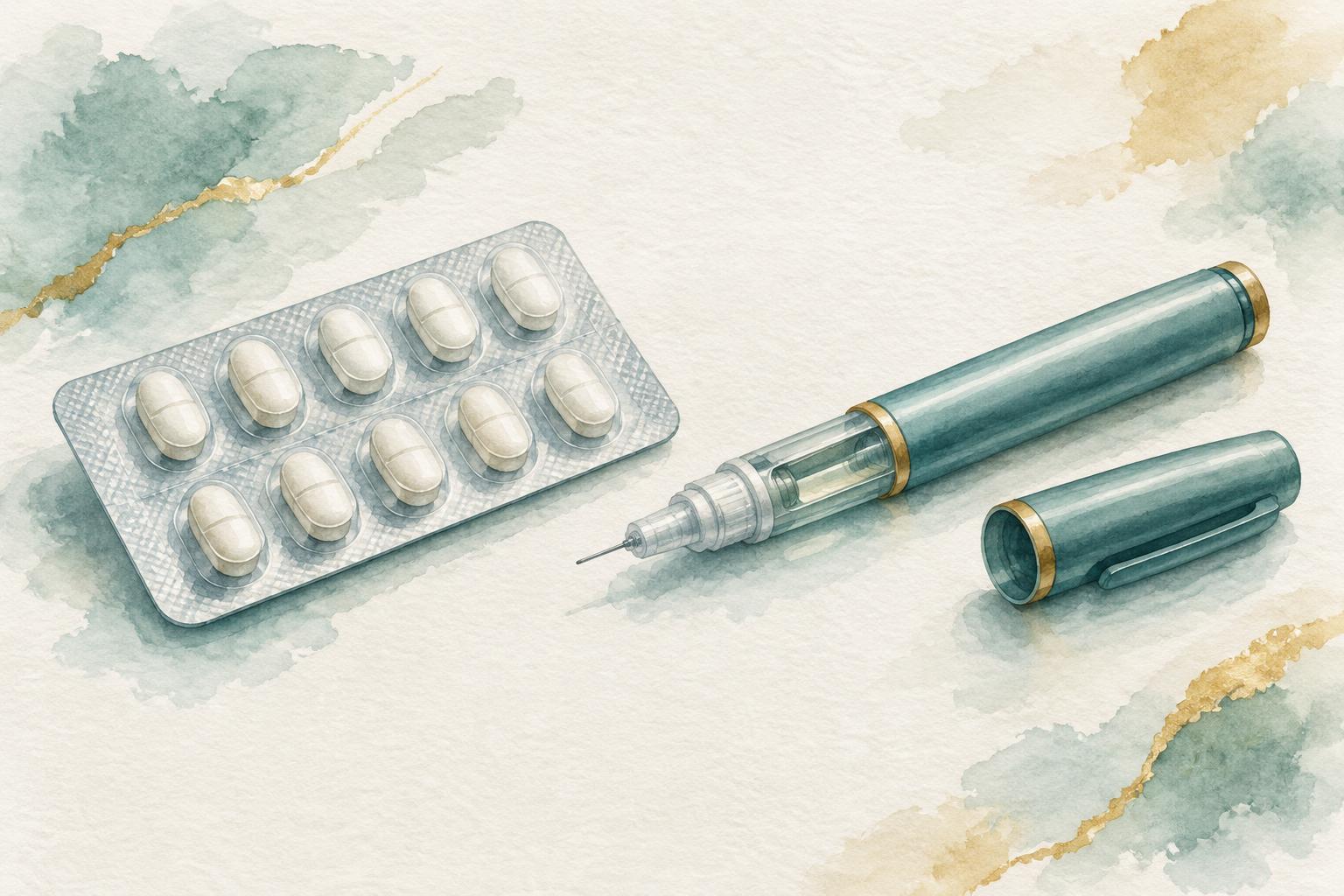
A pill is not inherently less effective than an injection, but trial averages from different studies cannot establish a direct comparison. Foundayo's reported trial result applies to a particular study population, dose, and timeframe, not a guaranteed individual outcome; treatment choice requires clinical discussion.

UK authorisation covers adults with insufficiently controlled type 2 diabetes and, separately, adult weight management at BMI 30 or above or BMI 27 to below 30 with a weight-related condition, alongside lifestyle measures. Eligibility does not establish personal suitability; a prescriber must consider the individual and current product information.

Some people may be able to switch from an injectable weight-loss medicine to Foundayo, but there is no universal safe schedule. Do not stop, overlap, or start medicines independently; the prescriber should plan timing, tolerability, and any diabetes monitoring.
Yes, the UK authorisation includes improving blood-sugar control in adults with insufficiently controlled type 2 diabetes, as well as a separate weight-management use for adults meeting specified criteria. These indications are distinct and do not promise weight loss or establish personal suitability; follow a prescriber's assessment and product information.

Insulin resistance is a physiological mechanism rather than a diagnosis, and the UK has no routine clinical test that confirms or excludes it. Treat an "insulin resistance score" as one piece of information, not a label, and have it read alongside your HbA1c, lipids, liver tests and waist measurement before any treatment is started on the strength of it.

An HbA1c of 42 to 47 mmol/mol or a fasting plasma glucose of 5.5 to 6.9 mmol/l identifies raised risk of type 2 diabetes rather than a disease, and progression is not inevitable — in pooled cohort data, reversion to normal glucose levels was more common than progression. Ask your GP practice about referral to the NHS Diabetes Prevention Programme, and keep to annual HbA1c or fasting glucose testing rather than acting on one result alone.

HbA1c reflects average glucose exposure over roughly the previous ten to twelve weeks and diagnoses diabetes at 48 mmol/mol or above, but it is not appropriate in pregnancy or acute illness and is unreliable in anaemia, haemoglobin variants, chronic kidney disease and after a recent transfusion. Do not assume the number describes your day-to-day glucose pattern, and tell your clinician about any of these before medication is changed on the basis of a result.

Obstructive sleep apnoea is considerably more common in people with type 2 diabetes than in the general population, and NICE lists type 2 diabetes among the reasons to assess for it. Treating it reliably improves sleepiness and quality of life, but trial evidence has not shown a dependable improvement in HbA1c — so raise snoring or unrefreshing sleep at your diabetes review and expect assessment with a sleep study, not a guaranteed glucose benefit.

A rise in glucose in the hours before waking is normal physiology driven by cortisol, growth hormone and other counter-regulatory hormones, and in type 2 diabetes it contributes roughly 4 mmol/mol, about 0.4 per cent, to HbA1c. A high morning reading does not by itself mean poor control or too little evening medication, so record the pattern over several nights and do not change insulin or other glucose-lowering doses without clinician review.

Tiredness with low mood, reduced libido and weight gain can be caused by thyroid disease, type 2 diabetes, sleep apnoea, iron or vitamin D deficiency, depression, medicines or genuine testosterone deficiency, and more than one often applies. Ask for an assessment with blood tests rather than accepting ageing as the explanation or assuming testosterone is the answer; replacement is not a treatment for tiredness when levels are normal. Seek prompt advice if you are falling asleep while driving, or if tiredness comes with unexplained weight loss.

Enlarged male breasts may be glandular tissue (gynaecomastia), fat (pseudogynaecomastia) or both, and glandular change is common in puberty and later life but can also reflect medicines, liver or kidney disease, an overactive thyroid, or low testosterone. Ask for examination rather than assuming it is only weight, because weight loss reduces fat and not glandular tissue. See a GP promptly for a one-sided firm or fixed lump, nipple discharge or retraction, or skin change, which need assessment for breast cancer.

Fat stored around the abdominal organs is metabolically more active than fat under the skin, and waist-to-height ratio captures it better than weight or BMI alone; NICE advises adults with a BMI under 35 to keep their waist to less than half their height. Measure your waist alongside weight rather than relying on the scale, and treat a raised ratio as a reason for assessment — blood pressure, glucose and lipids — not as a diagnosis in itself. If measuring your body causes distress, risk can be assessed through blood tests instead.