Hypothyroidism and Weight: What Treatment Can and Cannot Fix
Quick answer
Treating hypothyroidism with appropriately prescribed levothyroxine corrects thyroid hormone deficiency but may not resolve weight changes unrelated to the thyroid. Take it as directed, separate it from iron or calcium as advised, and have thyroid tests reviewed before any dose change.
An underactive thyroid slows metabolic rate, and untreated hypothyroidism commonly causes several kilograms of weight gain, much of it fluid. Correcting thyroid hormone matters, but it is not usually the whole answer, and patients deserve an honest account of both parts.
Getting the diagnosis right
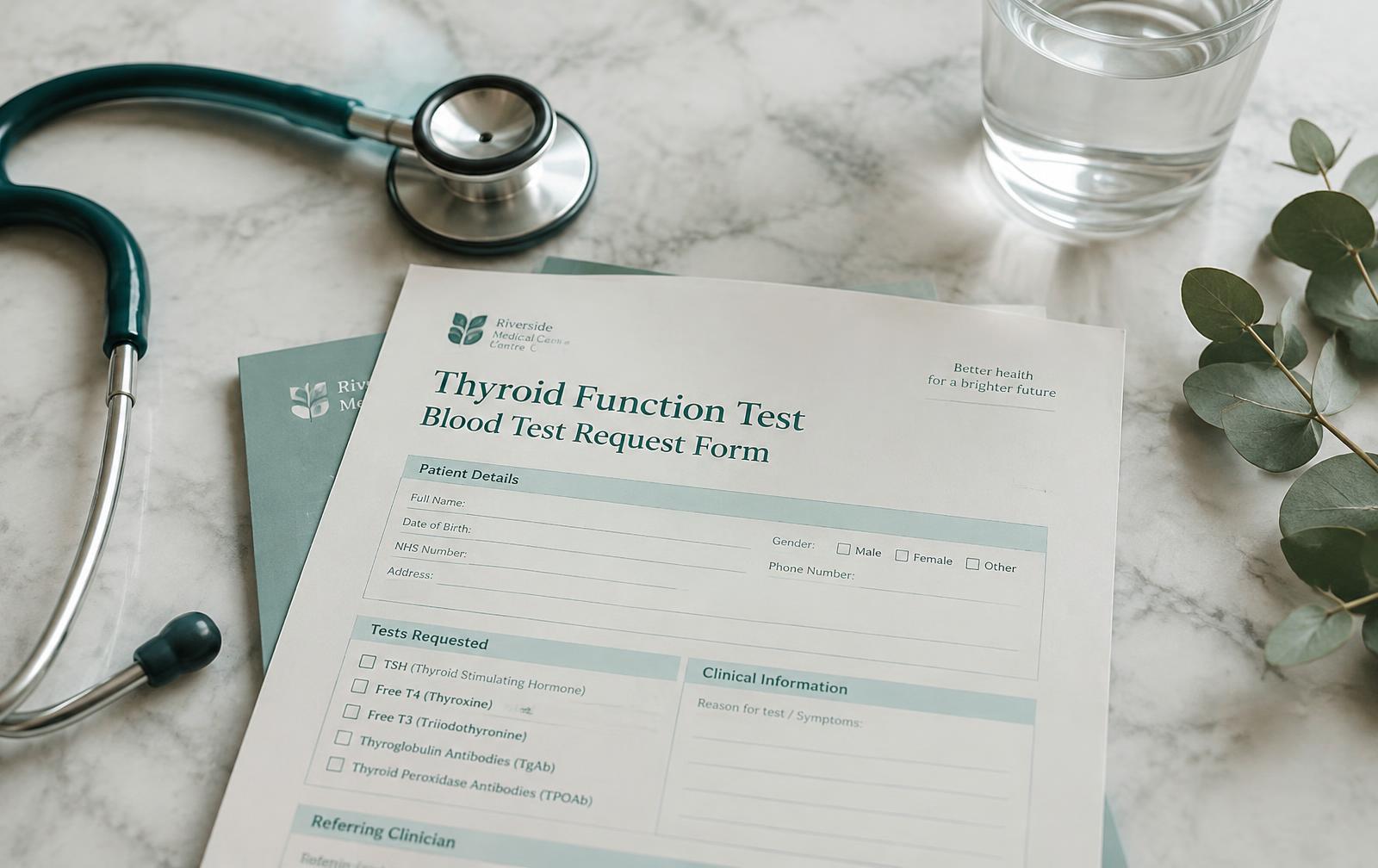
Assessment includes TSH and free T4, with thyroid antibodies where autoimmune thyroiditis is suspected. Symptoms overlap with many other conditions, so results are interpreted alongside the clinical picture rather than in isolation. Free T3 and reverse T3 have limited value in routine management, despite frequent claims otherwise.
Optimising replacement
Levothyroxine is taken on an empty stomach, and absorption is reduced by calcium, iron, some antacids and coffee taken too soon afterwards. Doses are reviewed at intervals, typically six to eight weeks after a change, and requirements alter in pregnancy and with substantial weight change. Where a patient remains symptomatic with biochemically adequate replacement, other causes deserve investigation rather than escalating doses indefinitely.
What else drives the weight
- Coexisting insulin resistance, which is common and independently treatable
- Low vitamin D, B12, iron and selenium, which affect energy and thyroid hormone conversion
- Reduced muscle mass from years of low activity, which lowers resting metabolic rate
- Sleep disruption and low mood, both common in thyroid disease
What we do about it
Once thyroid replacement is stable, weight is treated on its own terms: protein-forward nutrition, resistance training to rebuild lean mass, correction of deficiencies, and where the licensed criteria are met and clinical assessment supports it, weight-management medication. Thyroid disease does not prevent this treatment, and stable replacement should be confirmed first.
Bring this to your appointment
Recent thyroid blood results, your current dose and how long you have been on it, a full list of medicines and supplements, and a note of the symptoms that trouble you most. That combination lets one consultation achieve what three otherwise might.

Reviewed by
Dr Chinnadorai Rajeswaran
Specialist Endocrinologist · MBBS MRCP FRCP
Last Reviewed: November 2026
Read about hypothyroidism and related care.
Related insights

Micronutrients That Support Endocrine Function and Weight Loss
Vitamins and minerals support normal body and hormone function, but taking extra micronutrients has not been shown to cause weight loss when there is no deficiency. Seek testing or advice before supplements, especially high-dose products, and address weight through evidence-based, individualised care.

Why can illness make your thyroid results look abnormal?
Acute or serious illness can alter thyroid-hormone production, conversion, and test results without primary thyroid failure. Results need interpretation with symptoms, medicines, and history; testing or treatment decisions should be made with a clinician, often after recovery when appropriate.

What does DHEA do to fat and muscle?
DHEA is an adrenal hormone precursor that the body can convert into sex hormones influencing muscle and fat. Age-related declines do not establish a cause of weight or strength changes, and supplements have not reliably shown such benefits; use them only with medical advice.