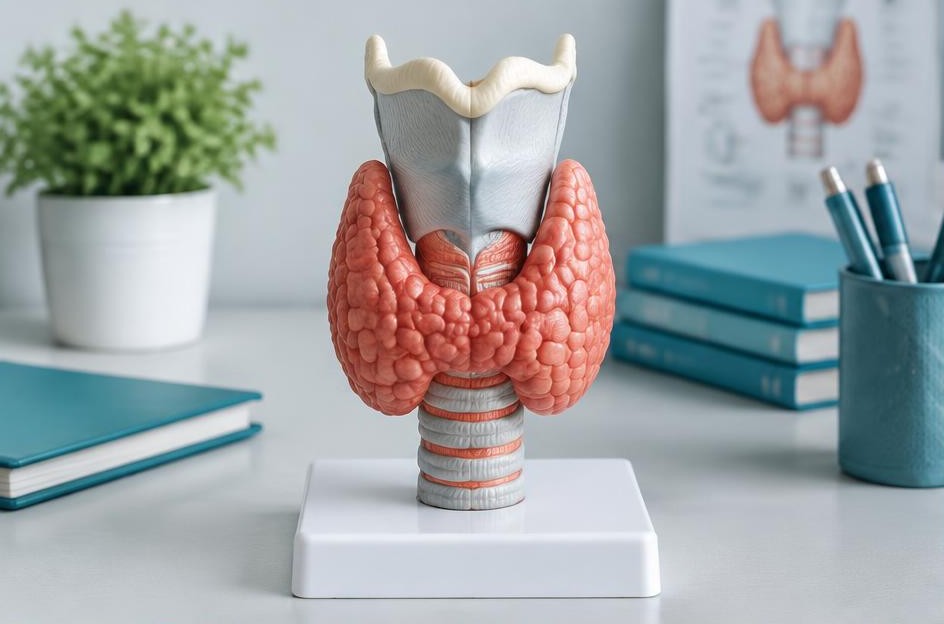

Anatomical thyroid model
Medical Conditions

Hypothyroidism & Weight

Specialist thyroid assessment and weight-management support for people living with an underactive thyroid.

Specialist metabolic medicine

Treat the thyroid properly — then understand what remains

Thyroid replacement restores the hormone your body needs. It is not a weight-loss treatment. We separate symptoms attributable to hypothyroidism from sleep, nutrition, medicines and metabolic factors that deserve their own plan.

Anatomical thyroid model

What's actually happening

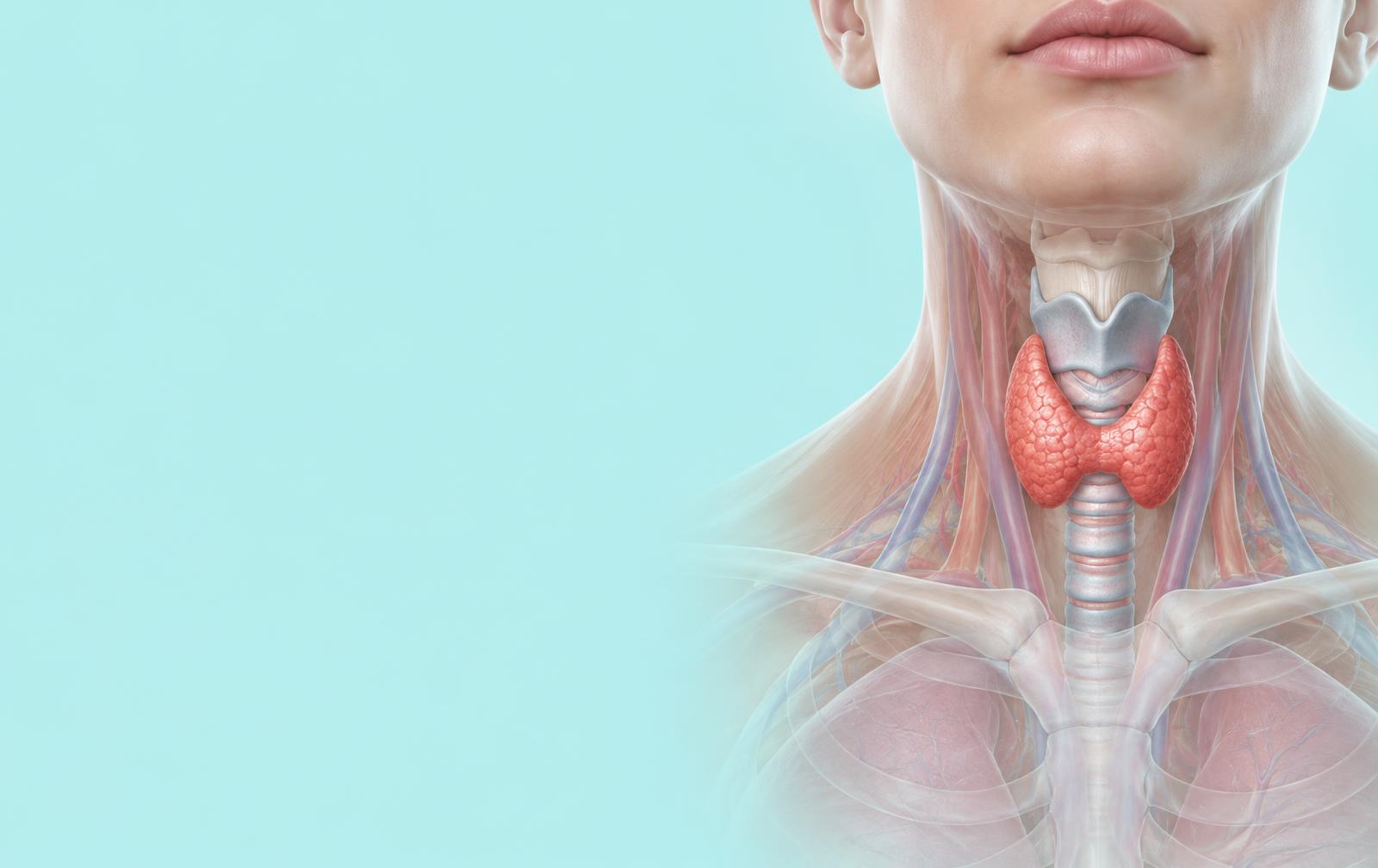
Hypothyroidism means the thyroid gland is not producing enough thyroid hormone. It can contribute to tiredness, feeling cold, constipation, low mood and modest weight gain, although these symptoms can have several causes.

Diagnosis rests on symptoms and thyroid blood tests. Weight concerns should not automatically be attributed to the thyroid, and thyroid replacement should never be increased simply to drive weight loss.


Tea and blanket beside a window

Why it's harder than it looks

Excess thyroid hormone can cause palpitations and increase the risk of abnormal heart rhythm and bone loss. Safe treatment aims for appropriate replacement, not suppression of TSH for weight loss.

Dose changes should be based on clinical assessment and blood results, with repeat testing at an appropriate interval.

Blood samples beside a thyroid model

What we look at

We review TSH and free T4 alongside symptoms, diagnosis, treatment history and the timing of levothyroxine. Calcium, iron, antacids, food and other medicines can affect absorption.

Persistent symptoms may point to sleep problems, menopause, anaemia, nutritional issues, depression, another endocrine condition or the wider biology of obesity. The aim is not to chase an unhelpful target but to identify what can be safely changed.

  • How and when levothyroxine is taken
  • Changes in medicines or supplements
  • Symptoms and previous results over time
  • Other metabolic and nutritional factors
Unbranded tablets, water and a clock

What can change

When hypothyroidism is appropriately treated, evidence-based weight care can be considered in the usual way and adapted to your health, mobility, nutrition and goals.

Obesity medication may be appropriate where licensed criteria are met. Changes in food intake, weight or stomach emptying can sometimes prompt a review of thyroid symptoms and monitoring.

We can communicate findings and treatment changes with your own doctor or endocrine team so thyroid monitoring remains consistent.

This joined-up approach gives weight treatment room to work without destabilising essential thyroid care.

What happens next

The next step

Understanding what is driving your weight takes a proper assessment — your history, the other conditions you live with, the medicines you already take, and what has been tried before.

Where obesity is complex, Dr Raj may recommend the Specialist Weight Management Plan: our most intensive option, for the most complex cases. Not everyone needs it. For others, consultations and review alone are enough, and what you are offered depends on what is actually going on.

Care is delivered through our London and Chennai clinics.

Book an appointment

Hypothyroidism & Weight FAQs

It can contribute, but the amount is often modest and can partly reflect fluid retention. Ongoing difficulty after thyroid levels stabilise warrants a broader assessment.

Levothyroxine replaces a deficiency; it should not be used for weight loss. Excess dosing can harm the heart and bones.

It may be suitable after an individual review. Thyroid symptoms, results and medicine timing may need monitoring as treatment progresses.

Recent thyroid results, clinic letters and a complete medicines and supplements list are particularly helpful.

Clinical guidance

Further reading

This information cannot replace a consultation. Your care depends on your symptoms, history, medicines and test results. We coordinate with your own doctor or relevant specialist when needed.