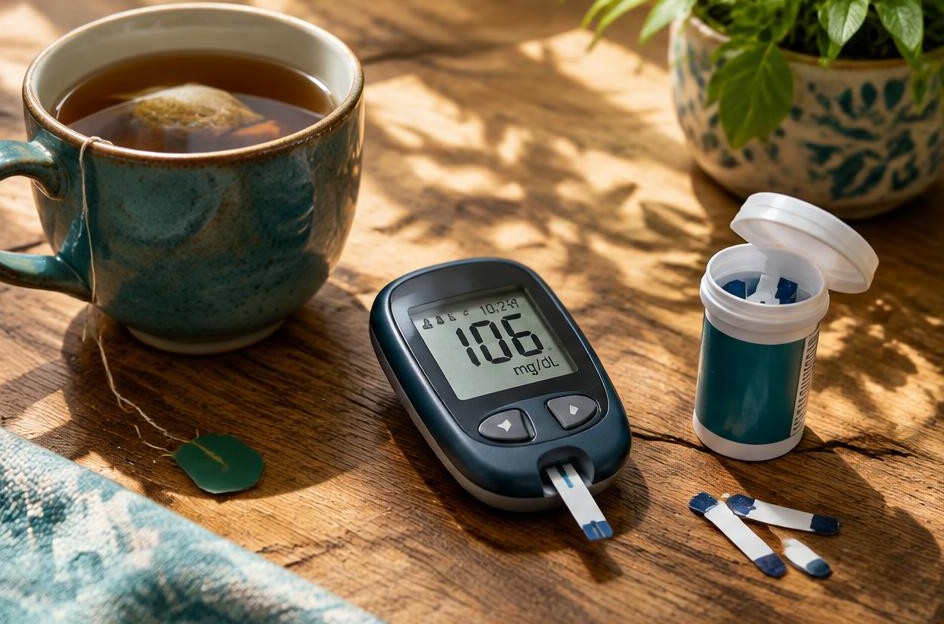

Home glucose meter and testing supplies
Medical Conditions

Type 2 Diabetes & Prediabetes

Specialist metabolic care that considers glucose, weight, medicines and long-term health together.

Specialist metabolic medicine

Diabetes care changes when the whole metabolic picture is visible

We bring weight management into the same conversation as glucose, blood pressure, liver health, kidney health and current medicines. That creates a safer plan than treating HbA1c or body weight in isolation.

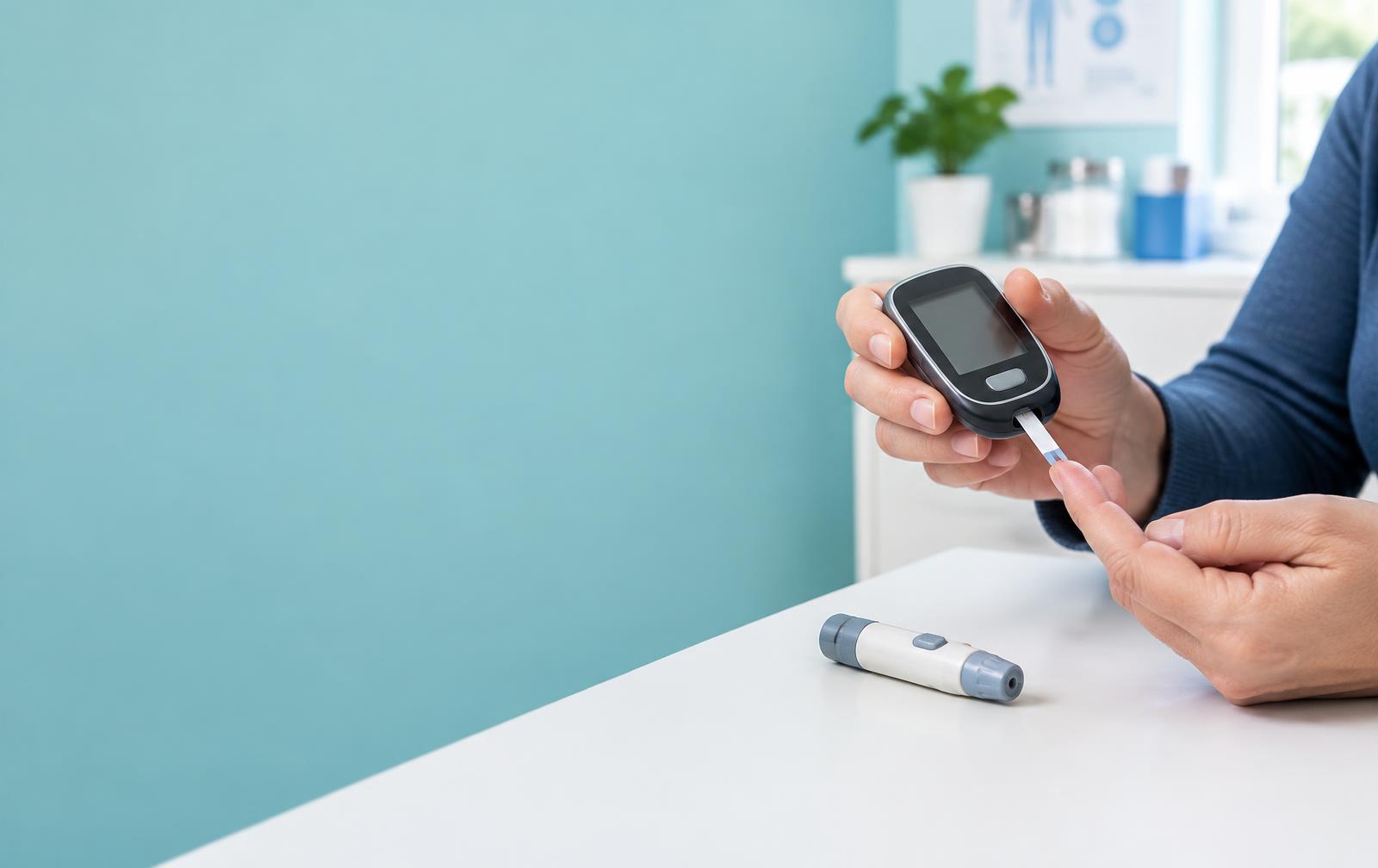
Home glucose meter and testing supplies

What's actually happening

Type 2 diabetes develops when the body becomes less responsive to insulin and the pancreas cannot produce enough to keep glucose within range. Genetics, age, sleep, medicines, activity and where fat is stored can all contribute; this is not a failure of willpower.

Weight reduction can improve insulin sensitivity and glucose control for many people, but the effect varies. Prediabetes is an opportunity to reduce future risk, not a guarantee that diabetes will develop.

  • Review HbA1c in context
  • Consider blood pressure, lipids, liver and kidney health
  • Look for medicines and conditions that affect glucose or weight

Balanced lunch with vegetables and whole grains

Why it's harder than it looks

Some people with type 2 diabetes achieve remission after substantial, sustained weight loss, particularly earlier in the condition. The definition most widely used internationally is an HbA1c below 48 mmol/mol, measured at least three months after stopping glucose-lowering medication. Remission is not the same as a cure.

Routine HbA1c monitoring and eye, kidney and foot checks remain important because glucose can rise again and previous exposure still matters.

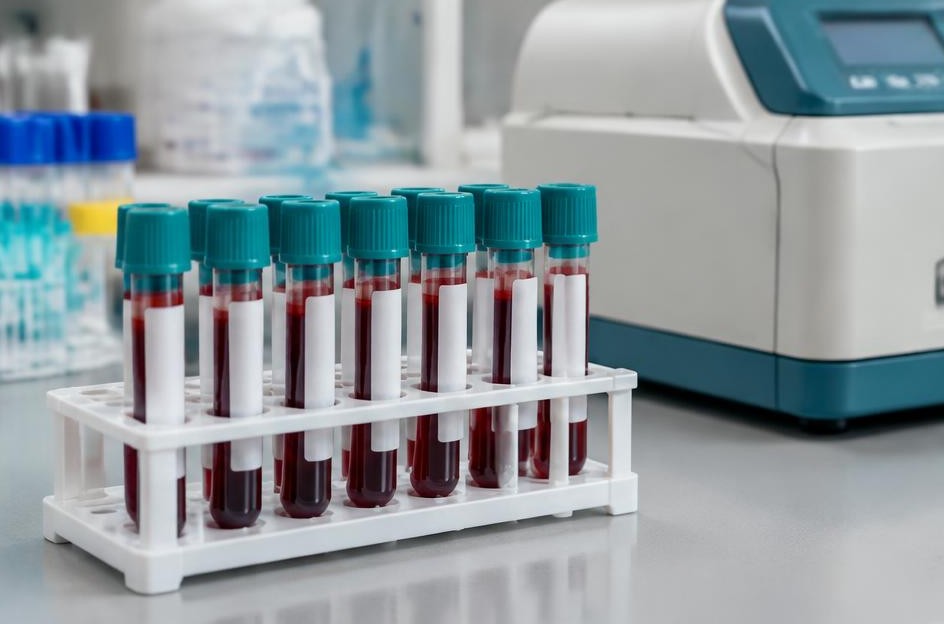
Blood samples for metabolic assessment

What we look at

A consultation considers your diagnosis, glucose history, current treatment, episodes of low glucose, eating pattern, sleep, mobility and the complications screening already in place.

Tests are selected because they will change care. Depending on your history, this may include HbA1c, kidney and liver function, lipids, urine albumin and nutritional markers rather than an indiscriminate panel.

  • Current diabetes and weight medicines
  • Eye, kidney and foot screening history
  • Hypoglycaemia risk
  • Your priorities and previous treatment experience
Walking shoes beside a garden door

What can change

Nutrition, activity, sleep and behavioural support remain important, but they need to be realistic for your health and life. Obesity medicines may be considered where licensed criteria and safety requirements are met.

If appetite and food intake change, insulin or sulfonylurea doses may need review to reduce the risk of hypoglycaemia. Medication is never reduced simply because the scales move; decisions are based on glucose data and clinical review.

We complement care from your own doctor, diabetes nurse or hospital team. Clinical correspondence helps everyone understand changes to weight, glucose and medicines.

The plan is reviewed as your response becomes clear. The safest endpoint may be improved control, fewer medicines, remission, or simply preventing progression — each can be valuable.

What happens next

The next step

Understanding what is driving your weight takes a proper assessment — your history, the other conditions you live with, the medicines you already take, and what has been tried before.

Where obesity is complex, Dr Raj may recommend the Specialist Weight Management Plan: our most intensive option, for the most complex cases. Not everyone needs it. For others, consultations and review alone are enough, and what you are offered depends on what is actually going on.

Care is delivered through our London and Chennai clinics.

Book an appointment

Type 2 Diabetes & Prediabetes FAQs

It can for some people, especially after substantial sustained weight loss, but it cannot be guaranteed. Remission is not a cure and ongoing checks remain essential.

Potentially. Suitability depends on your health and current medicines. Insulin or sulfonylurea treatment may need closer monitoring because reduced food intake can increase hypoglycaemia risk.

No. Risk varies, and changes to weight, activity and wider health can reduce it. Prediabetes should prompt an individual risk assessment rather than alarm.

Yes. Joined-up care is important whenever glucose-lowering or blood-pressure medicines may need adjustment.

Clinical guidance

Further reading

This information cannot replace a consultation. Your care depends on your symptoms, history, medicines and test results. We coordinate with your own doctor or relevant specialist when needed.