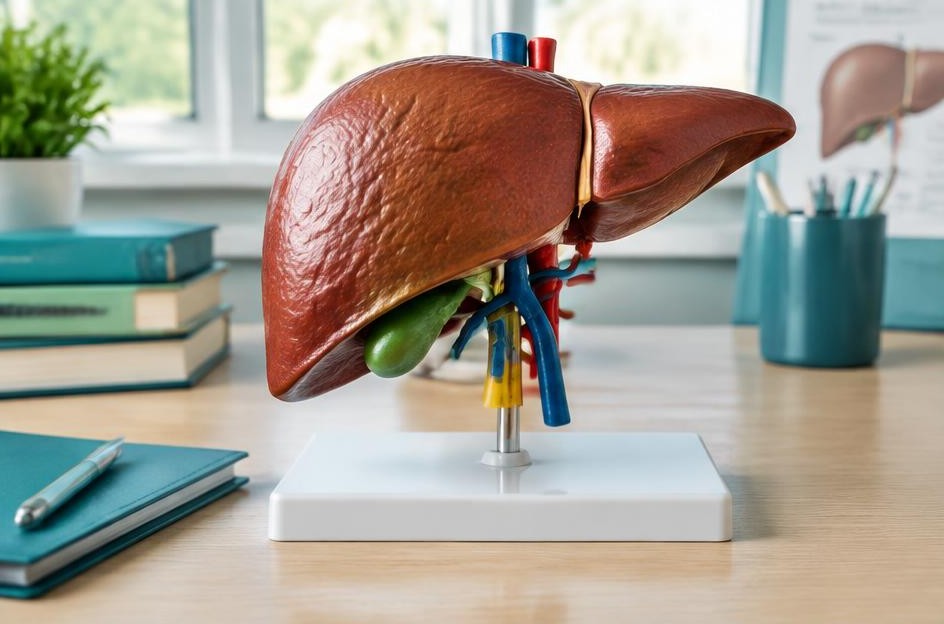

Anatomical liver model
Medical Conditions

Fatty Liver / MASLD

Metabolic and weight-management support for metabolic dysfunction-associated steatotic liver disease, previously called NAFLD.

Specialist metabolic medicine

A quiet liver condition needs an active risk assessment

Fatty liver disease is now called MASLD — metabolic dysfunction-associated steatotic liver disease. You may also see it written as NAFLD, the older name, which is still used in some guidelines and on some test results. They describe the same problem. MASLD is often symptomless. Our role is to improve the metabolic drivers while making sure liver scarring risk is assessed and higher-risk findings reach hepatology rather than remaining hidden behind a weight discussion.

Anatomical liver model

What's actually happening

Metabolic dysfunction-associated steatotic liver disease is the newer name for the condition previously called non-alcoholic fatty liver disease. It describes excess liver fat alongside metabolic risk such as obesity, type 2 diabetes or abnormal blood lipids.

The terminology has changed to reflect metabolic biology more clearly. Alcohol intake still matters and should be discussed honestly, because more than one cause of liver injury can be present.

Vegetables and ingredients for a meal

Why it's harder than it looks

MASLD is closely associated with type 2 diabetes and cardiovascular disease. Blood pressure, glucose, lipids, sleep and smoking therefore matter alongside liver tests.

A plan that only repeats liver enzymes misses much of the risk we are trying to reduce.

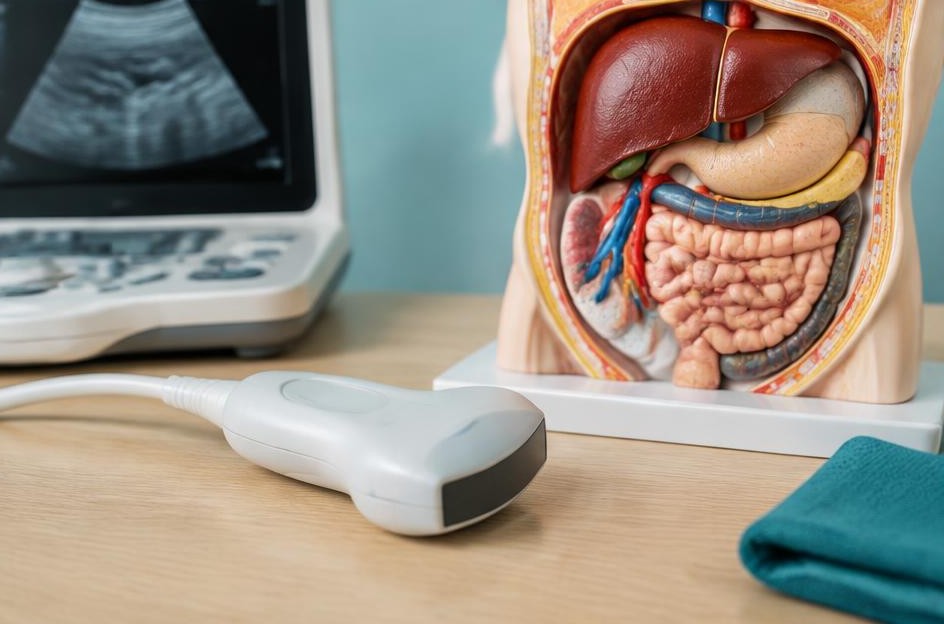
Ultrasound probe beside an abdominal model

What we look at

Many people have no symptoms and liver enzymes may be normal. The important question is whether inflammation or fibrosis is developing.

Assessment may include blood-based fibrosis scores and, where indicated, ELF testing or FibroScan. Higher-risk results should prompt specialist liver assessment.

  • Liver and metabolic blood results
  • Fibrosis risk assessment
  • Alcohol and medicine review
  • Referral when specialist investigation is needed
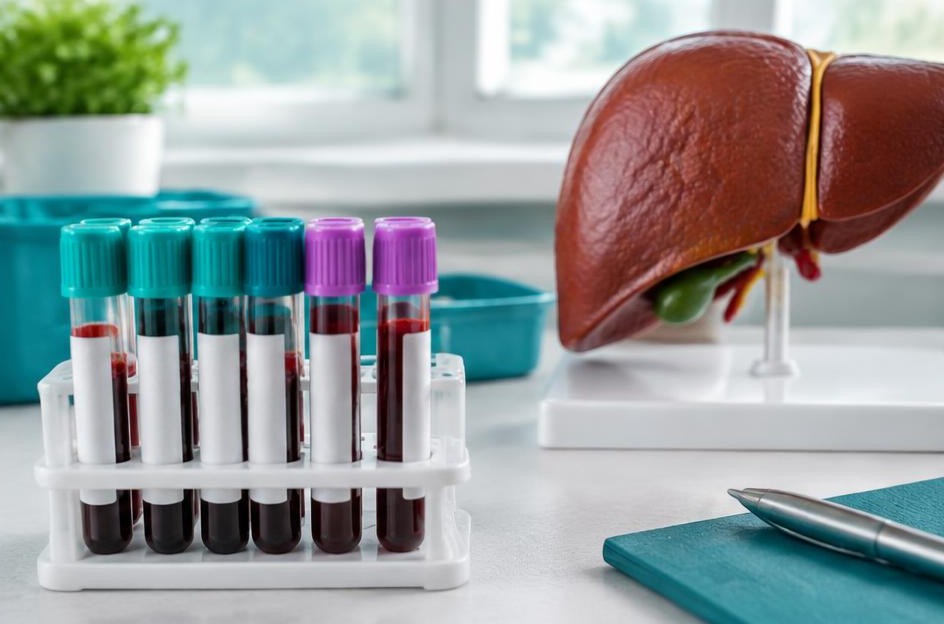
Blood samples beside a liver model

What can change

Sustained weight reduction can reduce liver fat and may improve inflammation. Nutrition, activity, diabetes care and obesity medication can all have a role when appropriate.

The pace and method matter. Gallbladder history, liver function, nutritional adequacy and other conditions should shape treatment rather than pursuing rapid loss at any cost.

We support weight and metabolic treatment while your own doctor or liver team provides fibrosis surveillance and specialist investigation where needed.

This division of care protects against both under-investigation and unnecessary alarm.

What happens next

The next step

Understanding what is driving your weight takes a proper assessment — your history, the other conditions you live with, the medicines you already take, and what has been tried before.

Where obesity is complex, Dr Raj may recommend the Specialist Weight Management Plan: our most intensive option, for the most complex cases. Not everyone needs it. For others, consultations and review alone are enough, and what you are offered depends on what is actually going on.

Care is delivered through our London and Chennai clinics.

Book an appointment

Fatty Liver / MASLD FAQs

Sustained weight reduction and improved metabolic health can reduce liver fat and may improve inflammation. Fibrosis risk still requires appropriate follow-up.

MASLD is the newer term for the closely corresponding condition previously called NAFLD.

No. Liver enzymes can be normal when steatosis or fibrosis is present, so additional risk assessment may be needed.

Yes, they can be considered where licensed criteria for obesity or diabetes are met, alongside nutrition and activity support. Liver blood tests tell us how the liver is coping now. They do not measure scarring, and they can look normal even when scarring is present — which is why a normal result is not an all-clear on its own. We use them alongside a fibrosis assessment, and a scan where it adds something.

Clinical guidance

Further reading

This information cannot replace a consultation. Your care depends on your symptoms, history, medicines and test results. We coordinate with your own doctor or relevant specialist when needed.