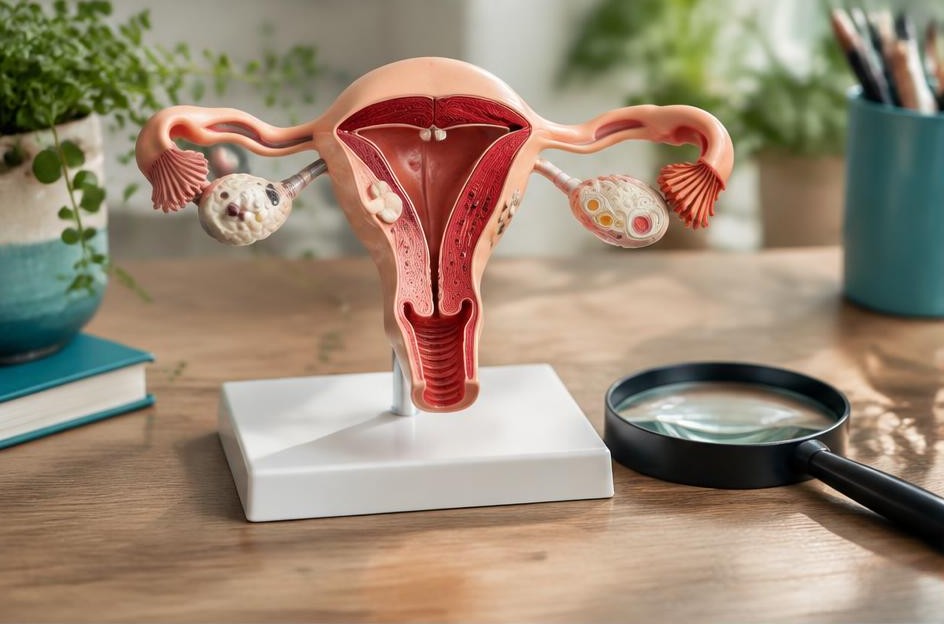

Ovarian and uterine model for endocrine health
Medical Conditions

Polycystic Ovary Syndrome (PCOS)

Polycystic Ovary Syndrome (PCOS) can affect cycles, fertility, skin, weight and long-term health. Care considers your hormones, metabolism and reproductive health together.

Specialist metabolic medicine

The name reflects a much wider condition

Polycystic Ovary Syndrome (PCOS) is now also known as Polyendocrine Metabolic Ovarian Syndrome (PMOS), the updated name endorsed by international professional organisations and used by the NHS. Some guidelines and medical records still use PCOS. The new name reflects the wider hormonal and metabolic picture, not a new diagnosis.

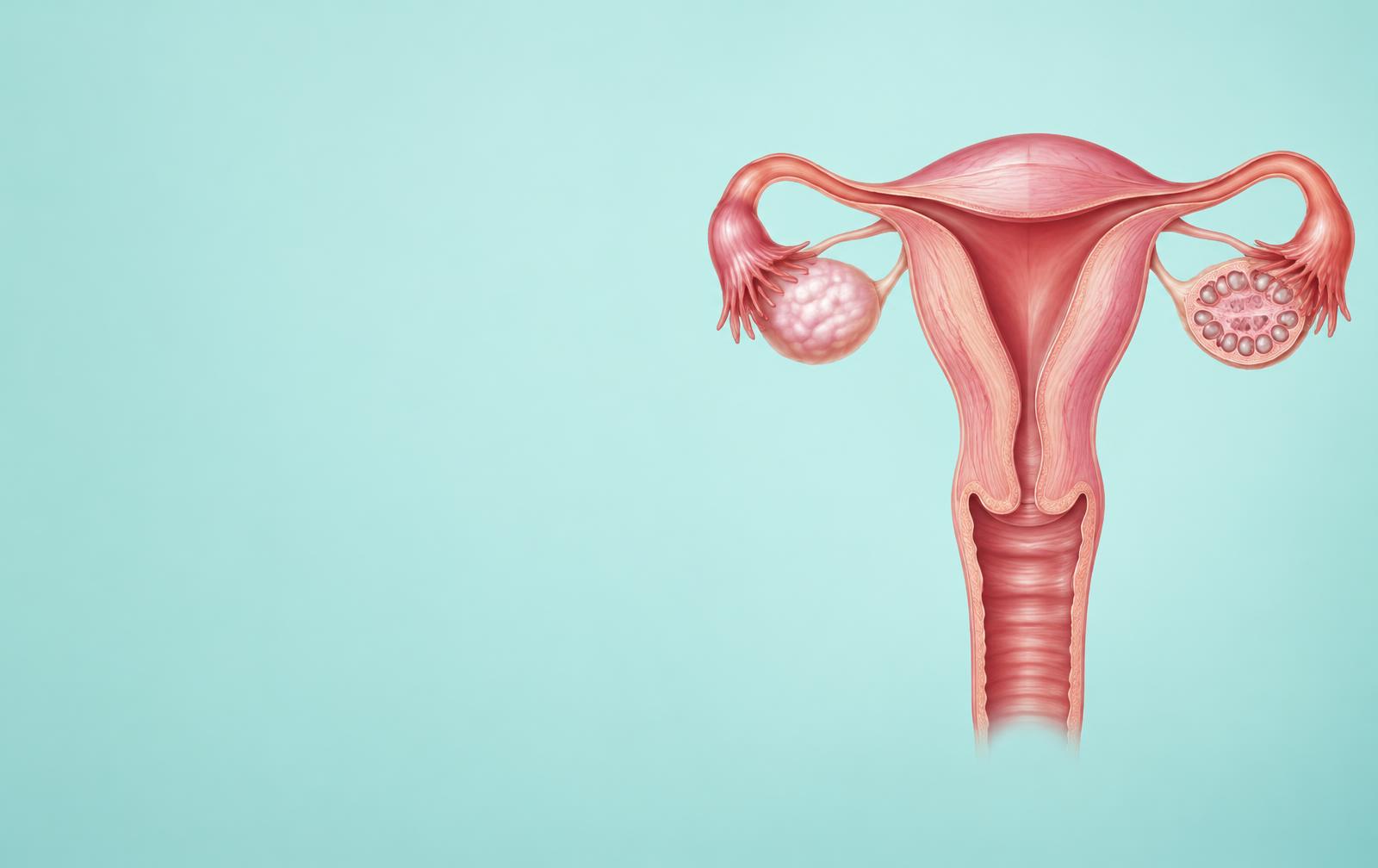
Ovarian and uterine model for endocrine health

What's actually happening

PCOS is a hormonal condition that can affect ovulation, androgen levels, insulin sensitivity and metabolic health. Symptoms vary widely: irregular or absent periods, acne, unwanted hair growth, scalp hair thinning and difficulty conceiving are common, but no two experiences are identical.

The condition is not diagnosed from an ultrasound alone. A clinician considers menstrual or ovulatory history, signs or blood evidence of androgen excess and ovarian appearance, while excluding other explanations.

Calendar and symptom journal at home

Why it's harder than it looks

Insulin resistance is common in PCOS and may influence appetite, glucose regulation and fat distribution. Sleep, mental wellbeing, medicines and life stage can add further complexity.

Not everyone with PCOS lives in a larger body, and weight does not define the condition. When weight care is wanted and clinically appropriate, it should be offered without blame and without reducing every symptom to weight.

  • Glucose and cardiovascular risk
  • Blood pressure and lipid profile
  • Sleep, mood and eating patterns
  • Medicines that affect weight or cycles
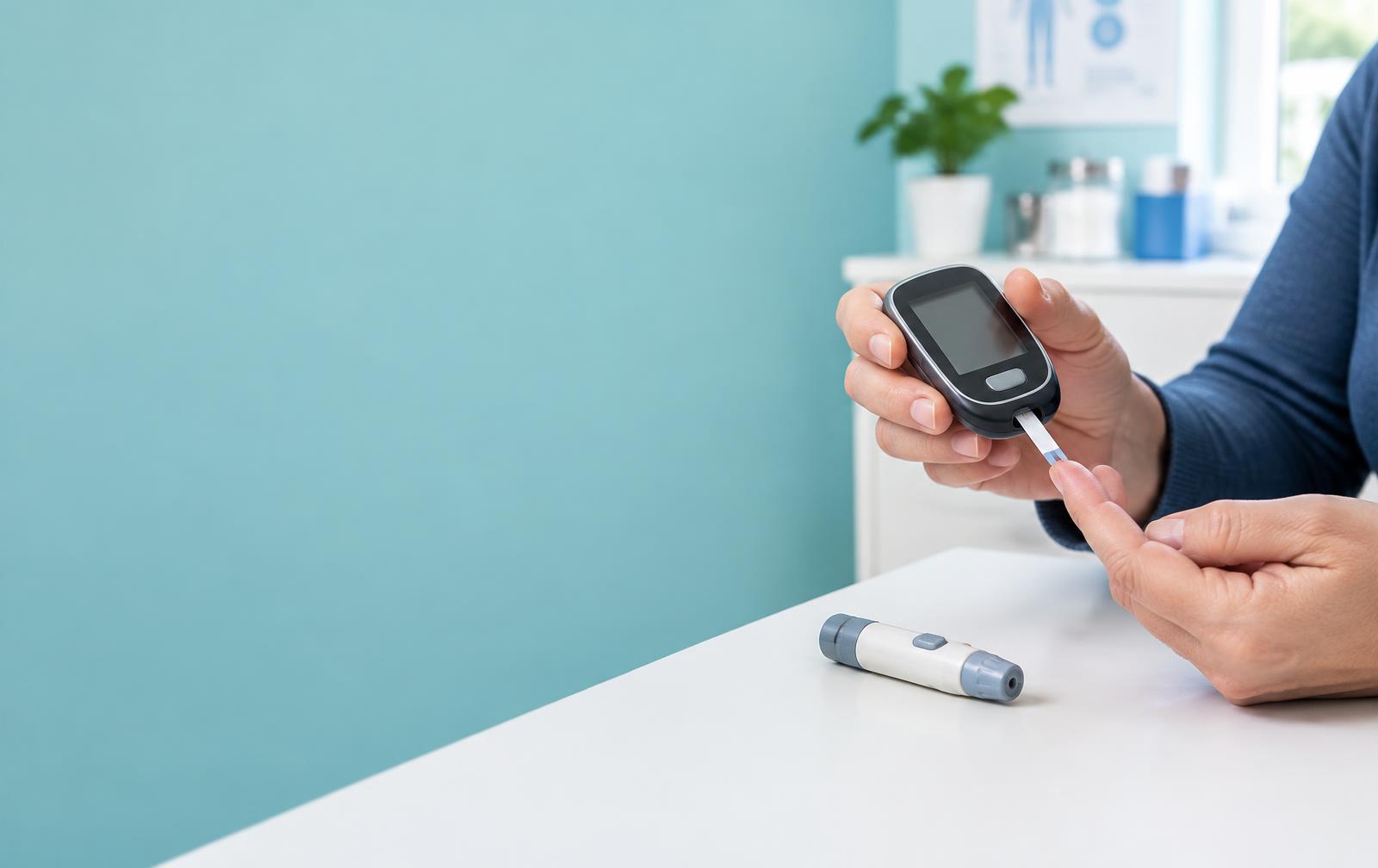
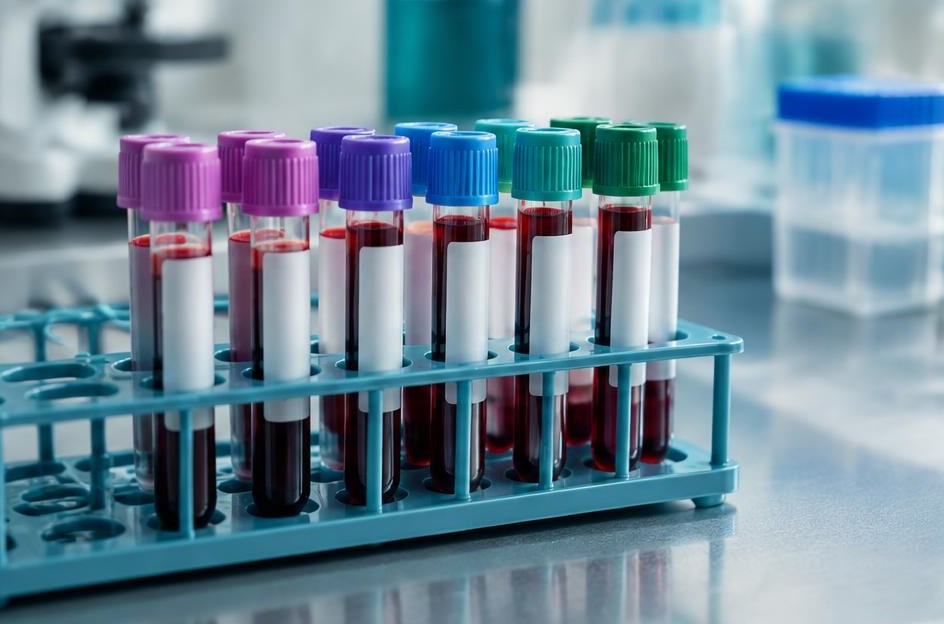
Blood samples for hormone assessment

What we look at

Assessment starts with your symptoms, cycle history, fertility plans and previous treatment. Hormone and metabolic tests are then selected according to the clinical question, rather than ordering every possible marker.

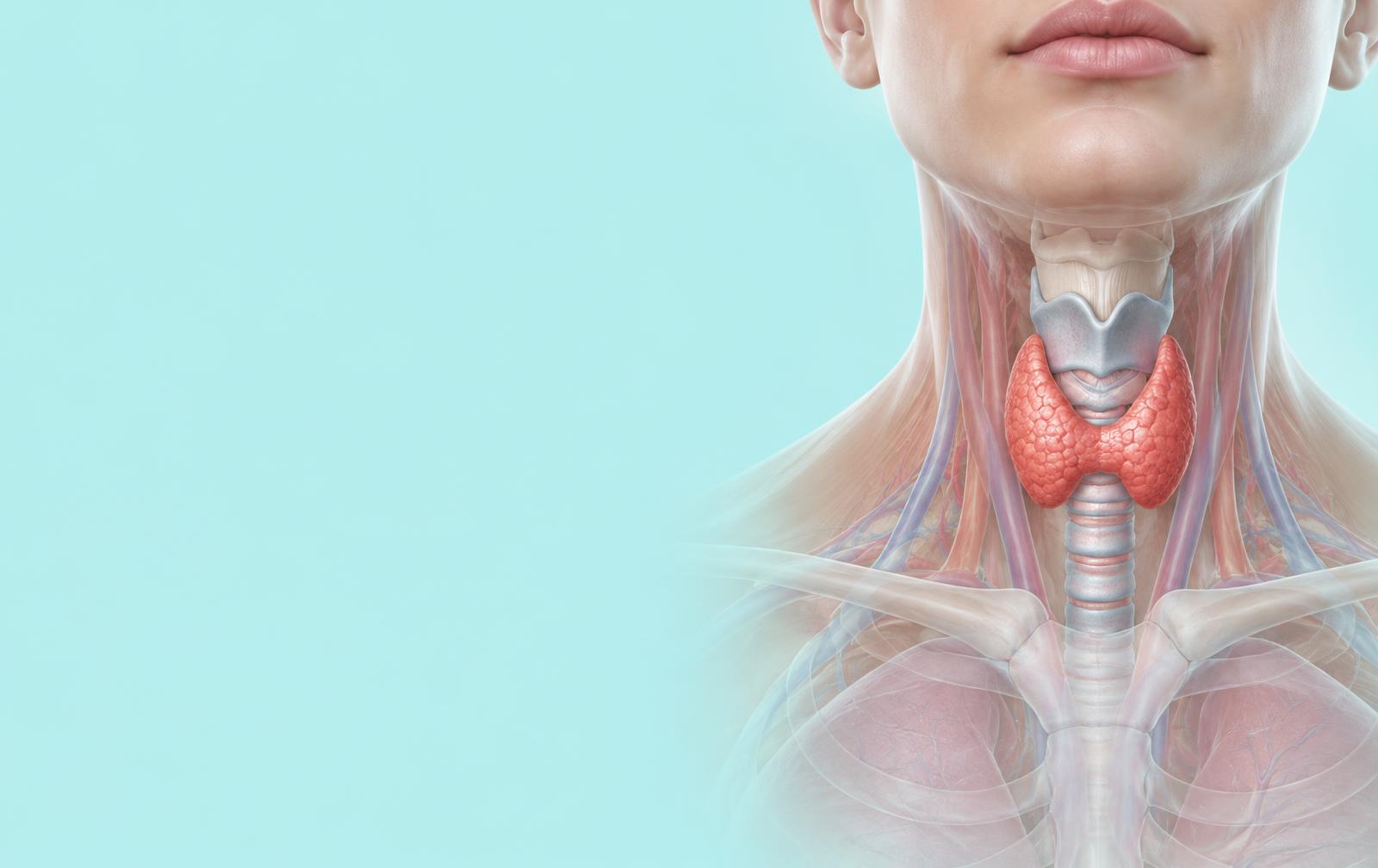
Thyroid disease, raised prolactin and other causes of irregular cycles or androgen symptoms may need exclusion. Pregnancy intentions influence every treatment decision.

Walking shoes and a nourishing breakfast

What can change

Cycle protection, unwanted hair growth, acne, fertility, glucose risk and weight may each require a different approach. Treatment can include nutrition and movement support, cycle management, insulin-sensitising treatment or obesity medication where licensed and appropriate. Where cycle management and weight-management medication are both part of your care, we plan them together, as some of these medicines can affect how reliably the pill works.

Weight-management medicines do not treat PCOS itself and must not be used during pregnancy. If conception is planned, medication timing needs a careful review with your prescriber and fertility team.

We look at the interaction between symptoms rather than treating each one as an unrelated problem. A plan can evolve as cycles, metabolic markers or fertility priorities change.

Where gynaecology, dermatology or fertility expertise is needed, we coordinate rather than overextend the role of weight care.

What happens next

The next step

Understanding what is driving your weight takes a proper assessment — your history, the other conditions you live with, the medicines you already take, and what has been tried before.

Where obesity is complex, Dr Raj may recommend the Specialist Weight Management Plan: our most intensive option, for the most complex cases. Not everyone needs it. For others, consultations and review alone are enough, and what you are offered depends on what is actually going on.

Care is delivered through our London and Chennai clinics.

Book an appointment

Polycystic Ovary Syndrome (PCOS) FAQs

PMOS is the updated name for the condition previously called PCOS. The NHS and international professional organisations now use it, while some guidelines and records are still transitioning. It refers to the same condition, not a new diagnosis.

No. The diagnosis is based on a combination of features after other causes are excluded; ovarian appearance is only one possible feature.

Yes. Ovulation and fertility can be affected across body sizes. Assessment should consider the complete reproductive and endocrine picture.

No. These medicines are not used during pregnancy and need to be stopped before conception according to current prescribing advice.

Clinical guidance

Further reading

This information cannot replace a consultation. Your care depends on your symptoms, history, medicines and test results. We coordinate with your own doctor or relevant specialist when needed.