
Bedside fan, water and symptom notebook
Medical Conditions

Menopause & Weight Gain

Whole-person care for changes in weight, body composition and metabolic health through perimenopause and menopause.

Specialist metabolic medicine

Your body is changing; the answer is not simply to try harder

Hormonal change, ageing, disrupted sleep, stress and loss of muscle can alter appetite, energy needs and fat distribution. We build a plan around that physiology while checking for conditions that can look similar.

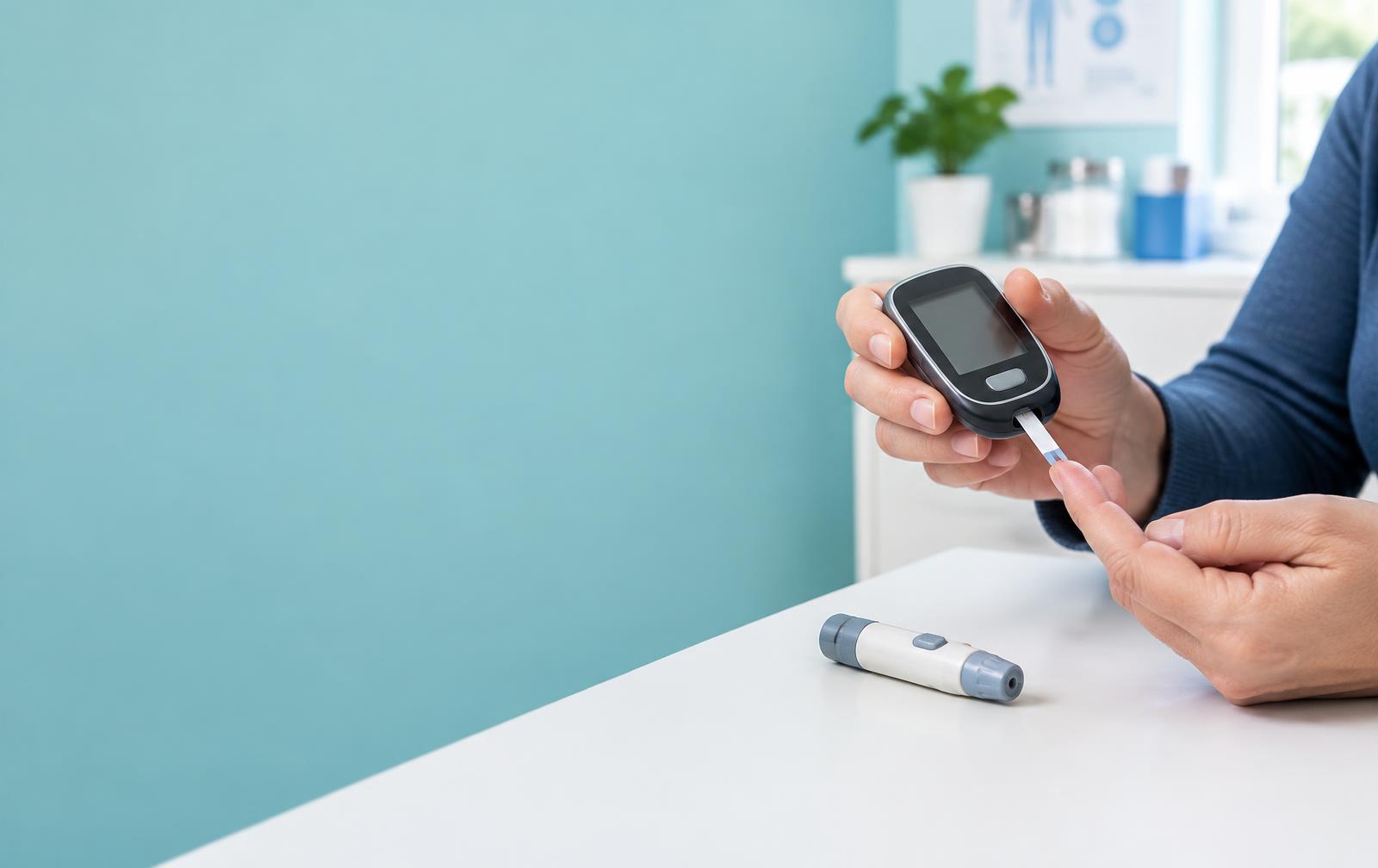
Bedside fan, water and symptom notebook

What's actually happening

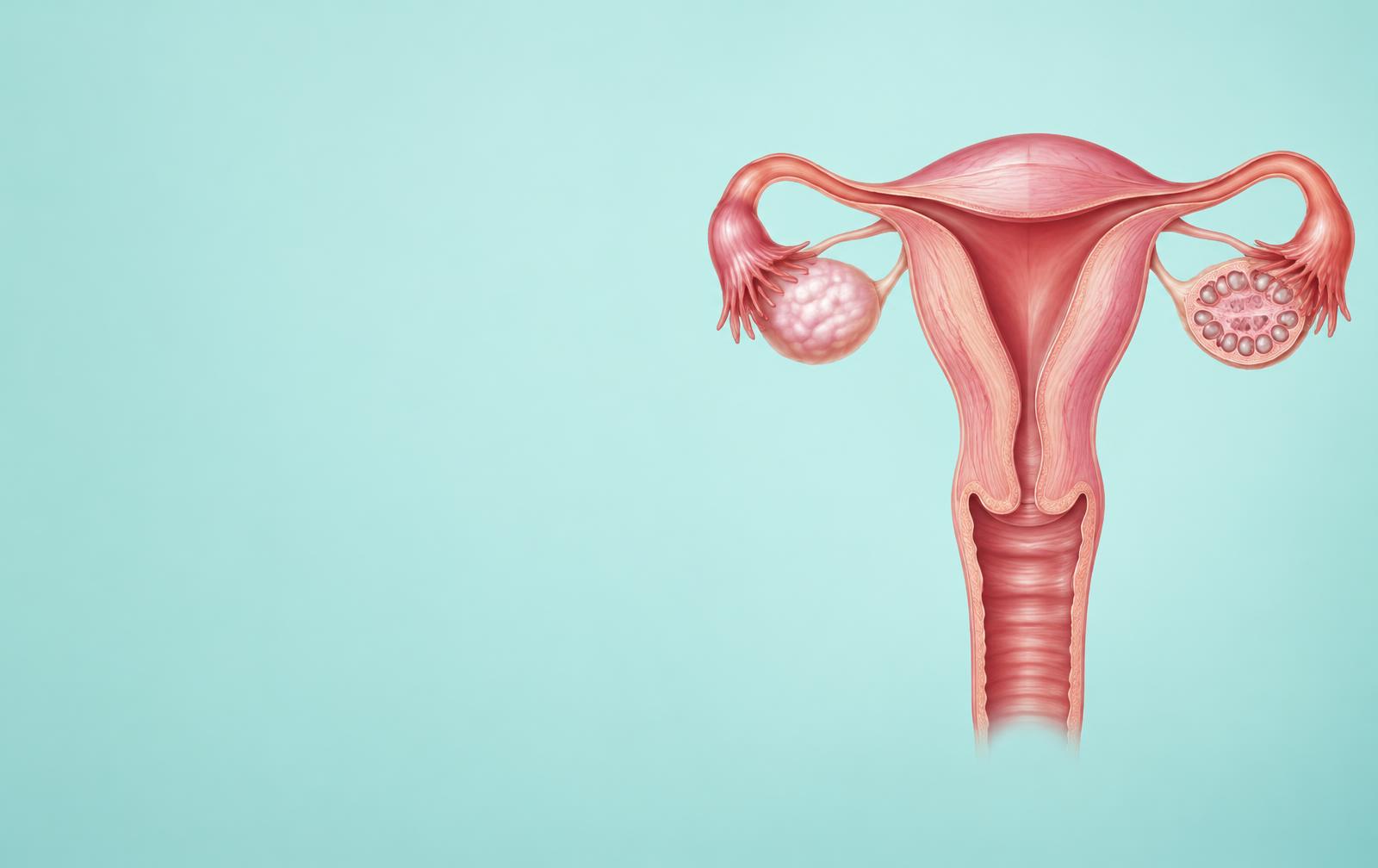
During perimenopause and menopause, changing ovarian hormones can affect where fat is stored. At the same time, age-related muscle loss can lower daily energy needs, and hot flushes or poor sleep can influence appetite and activity.

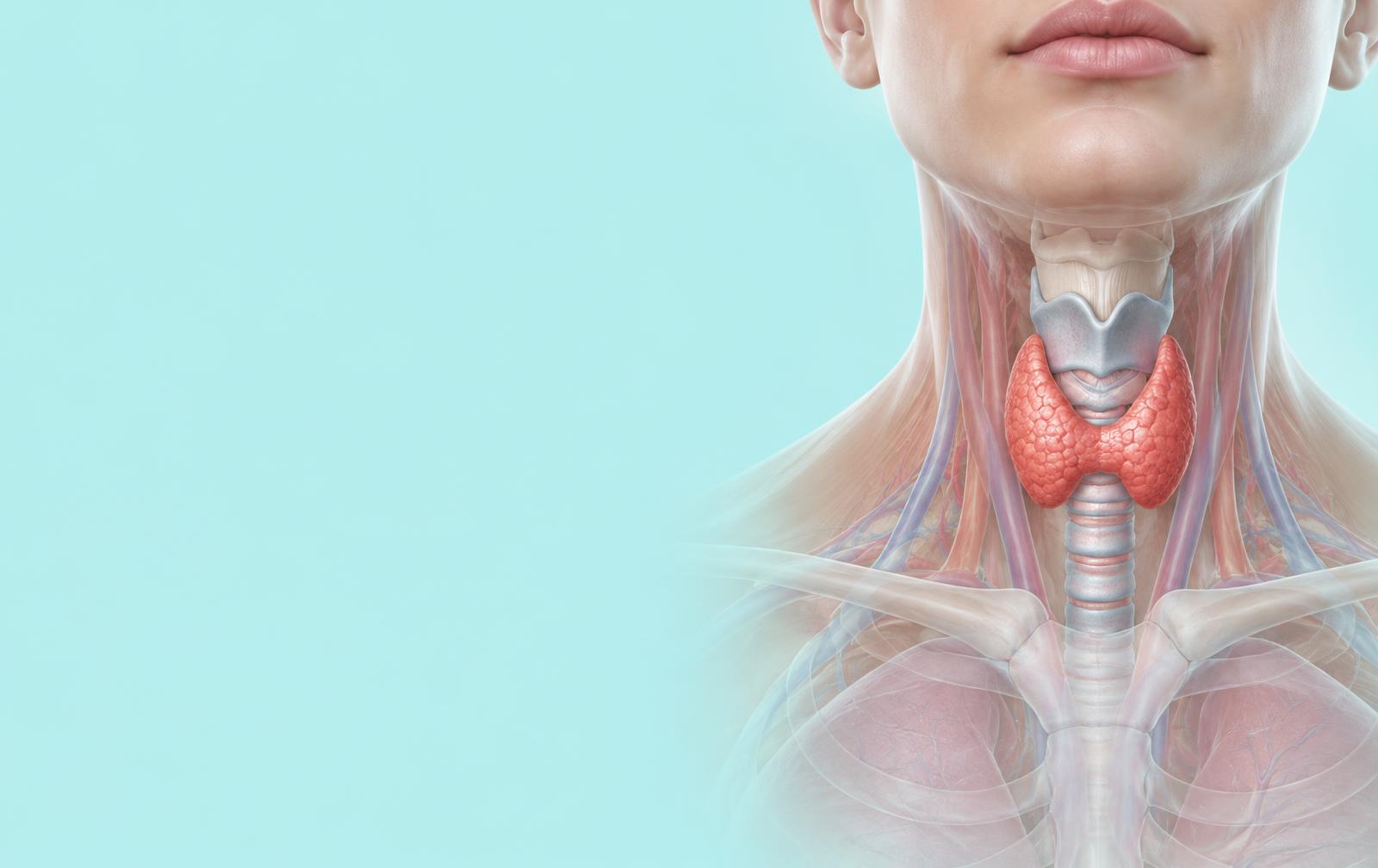
These shifts are real, but not every change is caused by menopause. Thyroid disease, diabetes, medicines, depression and sleep apnoea can overlap and deserve proper assessment.


Light blanket and tea beside an open window

Why it's harder than it looks

Care can combine protein- and fibre-aware nutrition, progressive resistance activity, sleep support and obesity treatment where clinically appropriate.

The aim is not only a smaller number on the scales. Protecting lean muscle, bone health, mobility and cardiovascular health shapes both treatment and pace.

Blood samples and a bone model

What we look at

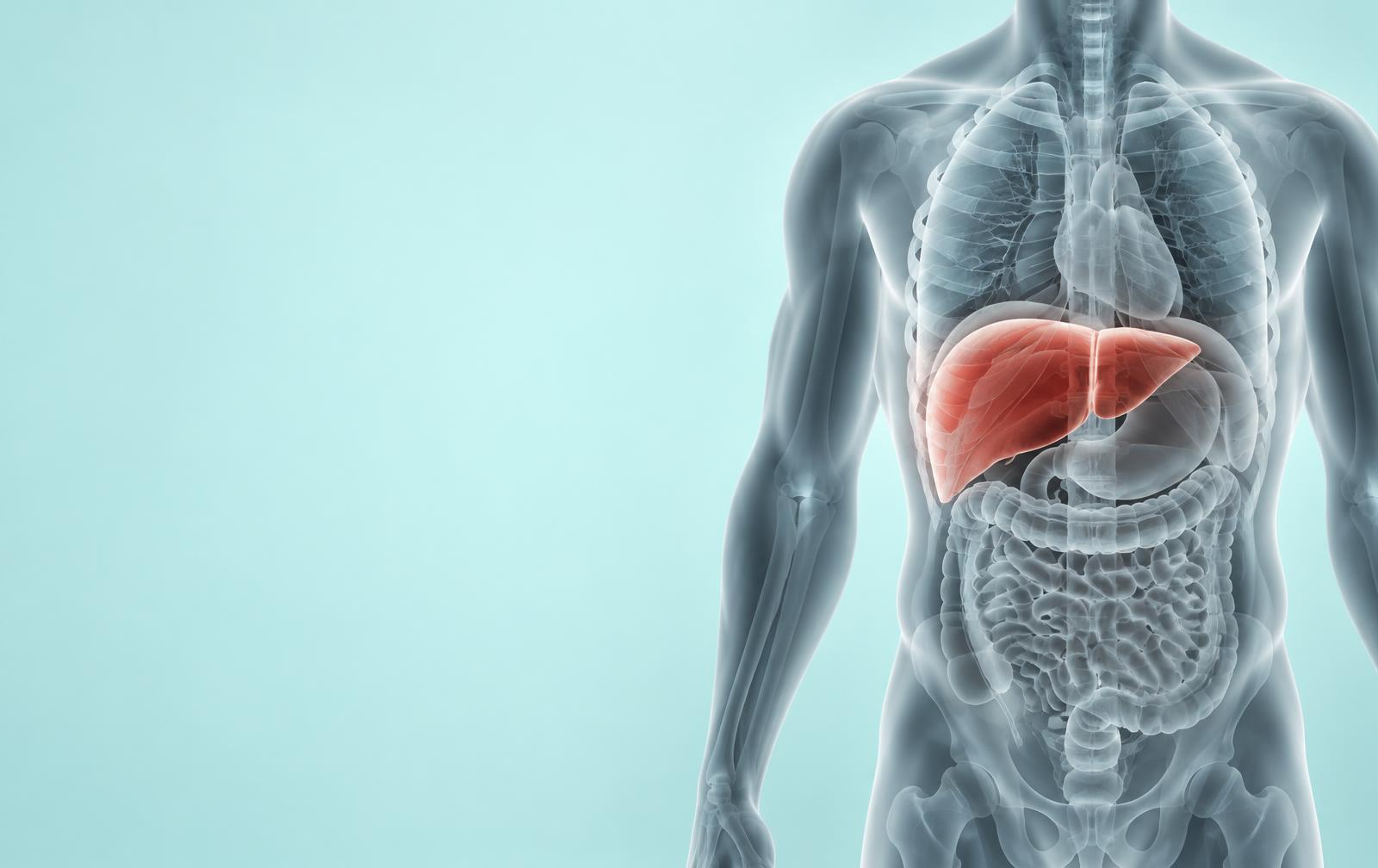
We consider menstrual history, bleeding, vasomotor symptoms, sleep, mood, cardiovascular and bone health, medicines and family history. Tests are chosen according to age and clinical need rather than used as a blanket menopause panel.

Unexpected bleeding, a new breast symptom or a marked change in health needs an appropriate medical pathway, not an assumption that menopause explains it.

  • Blood pressure, glucose and lipids
  • Sleep and possible sleep apnoea
  • Muscle, mobility and bone health
  • Medicines that affect weight
Resistance weights and walking shoes

What can change

Hormone replacement therapy can be effective for troublesome menopausal symptoms when benefits and risks have been considered individually. It is not a weight-loss treatment.

Improving sleep or hot flushes may make daily routines more manageable, but weight care still needs its own evidence-based plan. We coordinate with your own doctor or menopause clinician where HRT is involved.

Symptoms and priorities evolve through perimenopause and beyond. Regular review lets the plan respond to changes in sleep, bleeding, mood, weight and health risk.

A specialist metabolic view works alongside menopause treatment and primary care, adding a metabolic perspective to the support you already have.

What happens next

The next step

Understanding what is driving your weight takes a proper assessment — your history, the other conditions you live with, the medicines you already take, and what has been tried before.

Where obesity is complex, Dr Raj may recommend the Specialist Weight Management Plan: our most intensive option, for the most complex cases. Not everyone needs it. For others, consultations and review alone are enough, and what you are offered depends on what is actually going on.

Care is delivered through our London and Chennai clinics.

Book an appointment

Menopause & Weight Gain FAQs

Hormonal change, ageing and loss of muscle can favour more central fat storage. Sleep, stress, activity and medicines can also contribute.

HRT is not generally shown to cause significant weight gain. It may help symptoms but should not be prescribed as a weight-loss treatment.

Potentially, if licensed criteria are met and it is safe with your history and medicines.

Yes. Joined-up care is particularly important where HRT, thyroid treatment or other long-term medicines are involved.

Clinical guidance

Further reading

This information cannot replace a consultation. Your care depends on your symptoms, history, medicines and test results. We coordinate with your own doctor or relevant specialist when needed.