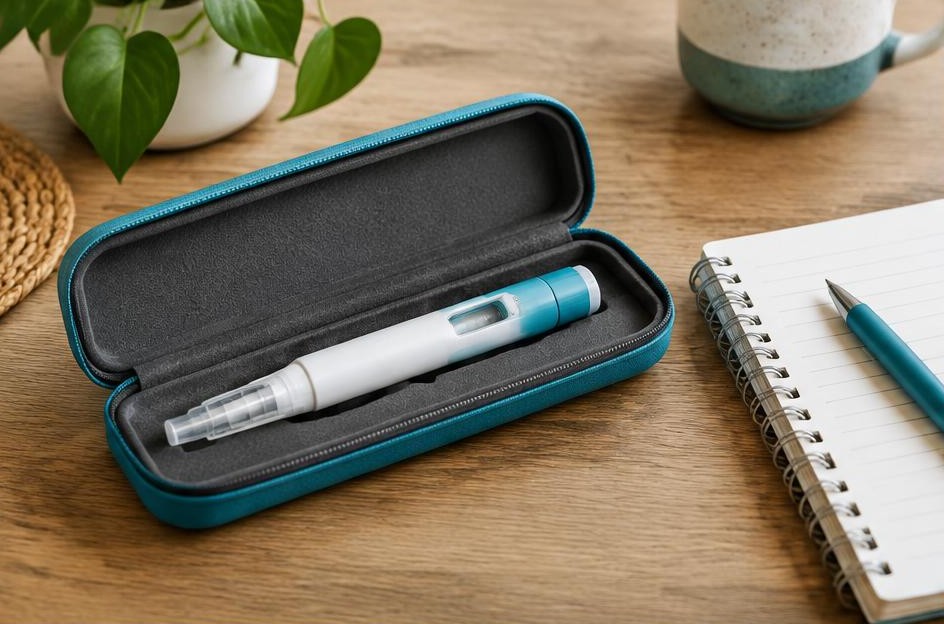

Unbranded injection pen in its case
Medical Conditions

Weight Regain After GLP-1 Medicines

Supportive planning before and after a change to your weight loss treatment.

Specialist metabolic medicine

Maintenance deserves as much planning as weight loss

When treatment stops, appetite and fullness effects reduce and biological pressure to regain can return. We prepare for that transition rather than waiting until substantial regain has happened.

Unbranded injection pen in its case

What's actually happening

GLP-1-based medicines influence appetite, fullness and food intake while they are used. After stopping, those effects diminish and the body’s weight-regulating biology can favour regain.

This does not mean you have failed or that treatment was pointless. Obesity is a chronic, relapsing condition, and weight trajectories after treatment differ between people.

Balanced meal and a food journal

Why it's harder than it looks

If medicine is restarted, it requires a fresh safety assessment and appropriate dose. Leftover, shared, counterfeit or unregulated products should never be used.

Pregnancy plans, new diagnoses and changes to other medicines can all alter whether treatment remains suitable.

Blood samples and a metabolic model

What we look at

We explore effectiveness, side effects, cost or access, current dose, nutrition, muscle health and changes in blood pressure or diabetes treatment.

There is no universal tapering timetable supported for everyone. Some medicines are intended for long-term use; a change should be clinician-led and based on your circumstances.

  • Appetite and weight trajectory
  • Protein intake and muscle health
  • Diabetes and blood-pressure medicines
  • A monitoring plan after change
Resistance weights and walking shoes

What can change

Regular meals, adequate protein and fibre, resistance activity, sleep care and behavioural strategies can support maintenance. They do not erase biology, so expectations should be compassionate and realistic.

We agree what changes should prompt review — for example appetite becoming difficult to manage, rapid regain, worsening glucose or distress around eating.

For some people, continuing treatment remains the safest evidence-led option. For others, a supported transition is reasonable.

Regular review allows us to respond to appetite, metabolic markers, muscle health and emotional wellbeing before the situation feels unmanageable.

What happens next

The next step

Understanding what is driving your weight takes a proper assessment — your history, the other conditions you live with, the medicines you already take, and what has been tried before.

Where obesity is complex, Dr Raj may recommend the Specialist Weight Management Plan: our most intensive option, for the most complex cases. Not everyone needs it. For others, consultations and review alone are enough, and what you are offered depends on what is actually going on.

Care is delivered through our London and Chennai clinics.

Book an appointment

Weight Regain After GLP-1 Medicines FAQs

People respond differently. In the STEP 1 trial extension, people regained about two-thirds of the weight they had lost within a year of stopping treatment. This reflects biology, not personal failure, and is a reason to plan ongoing support.

There is no single evidence-based taper for everyone. Do not alter prescribed treatment without your prescriber.

Possibly, but it requires a new clinical review and correct dosing. Do not restart with leftover medication.

Weight and appetite matter, but blood pressure, glucose, nutrition, muscle and emotional wellbeing may also need review.

Clinical guidance

Further reading

This information cannot replace a consultation. Your care depends on your symptoms, history, medicines and test results. We coordinate with your own doctor or relevant specialist when needed.