Type 2 Diabetes and Weight: What Remission Really Means
Quick answer
Type 2 diabetes remission means glucose levels below the diabetes range without glucose-lowering medication for a sustained period; it is not a cure, and diabetes can return. Weight loss can support remission for some people, especially earlier in the condition, but medication changes and ongoing HbA1c monitoring should be clinician-supervised.
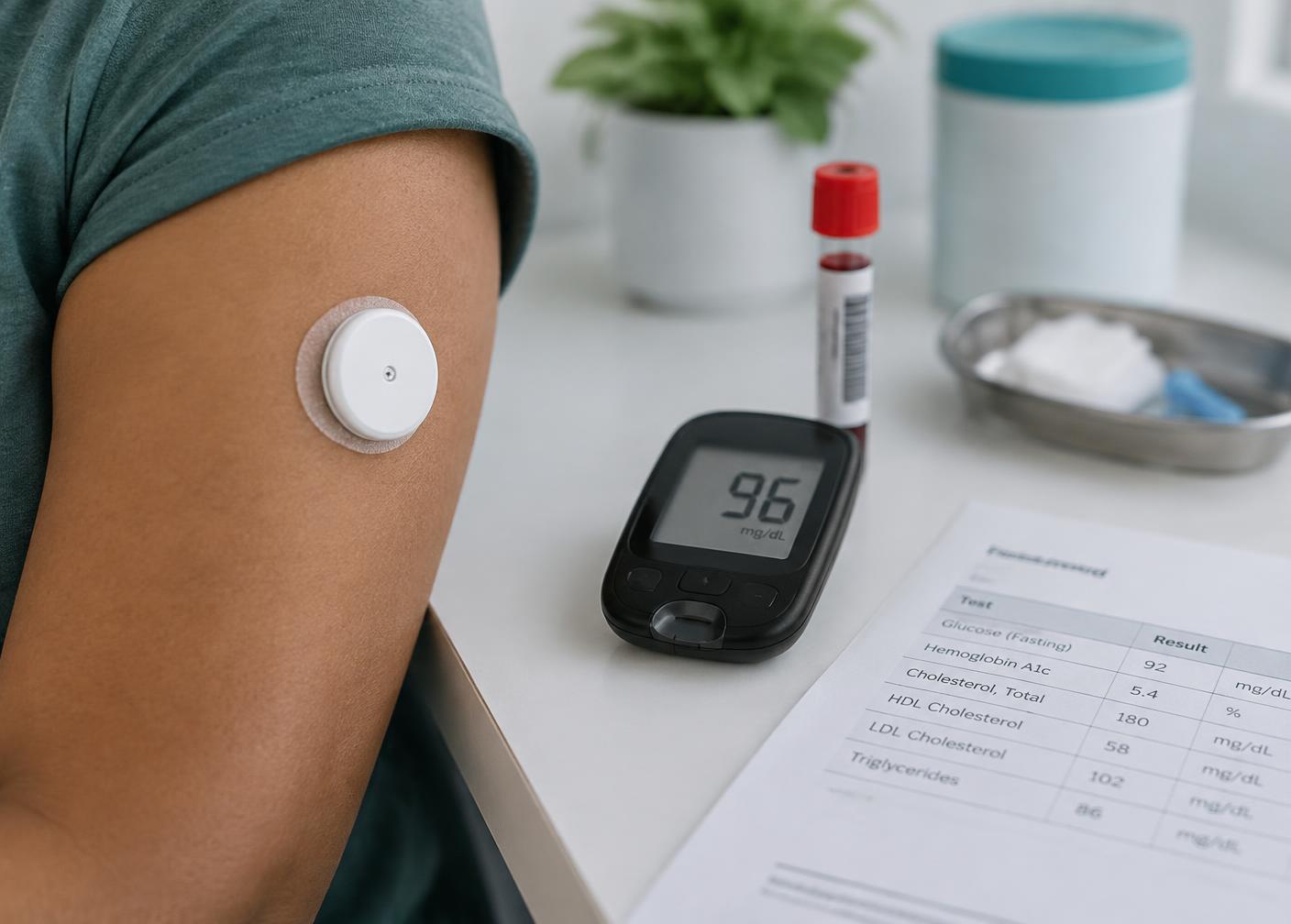
Type 2 diabetes is closely linked to how and where the body stores fat, particularly fat in the liver and pancreas. Reducing that fat can restore insulin production and sensitivity, which is why weight change is the single most powerful intervention available.
What remission means
Remission generally means an HbA1c below the diabetic threshold, sustained for at least three months, without glucose-lowering medicine. It is not the same as cure. Remission can be lost if weight returns, so it needs ongoing review rather than a discharge letter.
What the evidence supports
Substantial UK research, including the DiRECT study, showed that meaningful weight reduction can put type 2 diabetes into remission for a proportion of people, and that the chance is greatest earlier after diagnosis. GLP-1 and dual GIP/GLP-1 medicines also improve glucose control and weight together, which is why they are used in both diabetes and weight management, under separate licences.
Why medication changes must be supervised
As weight falls and insulin sensitivity improves, existing diabetes medicines can become too strong. Insulin and sulfonylureas in particular carry hypoglycaemia risk and often need reducing during treatment. This is a clinical decision, not something to attempt alone, and it is one of the clearest arguments for specialist oversight rather than an online prescription.
What we monitor
- HbA1c, and home glucose readings where appropriate
- Kidney function, liver function and lipids
- Blood pressure, which frequently improves and may need medicine adjustment
- Retinal screening, since rapid glucose improvement needs eye surveillance in some patients
Practical priorities
Protein at every meal protects muscle. Fibre and lower glycaemic load foods steady glucose. Resistance exercise twice weekly preserves lean mass, which protects your metabolic rate. Sleep and stress matter more than most people expect, because both raise glucose independently of diet.
Remission is realistic for some people and not for others, and honest assessment is part of good care. Even where remission is not achievable, better glucose control reduces long-term complication risk, which remains a worthwhile clinical goal in itself.

Reviewed by
Dr Chinnadorai Rajeswaran
Specialist Endocrinologist · MBBS MRCP FRCP
Last Reviewed: November 2026
Read about diabetes and related care.
Related insights

Do artificial sweeteners affect insulin sensitivity?
Evidence does not show that non-sugar sweeteners as a group uniformly impair insulin sensitivity or cause obesity; effects and long-term evidence vary. Replacing sugary drinks with low- or no-calorie alternatives may reduce sugar intake, but this is not a guaranteed health outcome and water is also an option.

What Insulin Resistance Actually Is, and How It Is Assessed
Insulin resistance is a physiological mechanism rather than a diagnosis, and the UK has no routine clinical test that confirms or excludes it. Treat an "insulin resistance score" as one piece of information, not a label, and have it read alongside your HbA1c, lipids, liver tests and waist measurement before any treatment is started on the strength of it.

Prediabetes: What the Diagnosis Means, and What Changes It
An HbA1c of 42 to 47 mmol/mol or a fasting plasma glucose of 5.5 to 6.9 mmol/l identifies raised risk of type 2 diabetes rather than a disease, and progression is not inevitable — in pooled cohort data, reversion to normal glucose levels was more common than progression. Ask your GP practice about referral to the NHS Diabetes Prevention Programme, and keep to annual HbA1c or fasting glucose testing rather than acting on one result alone.