Can high prolactin stop you losing weight?
Quick answer
Persistently high prolactin can contribute to weight change in some people, but it does not make weight loss impossible and may have several causes. A raised result needs clinical interpretation and, when persistent, assessment rather than weight-focused self-treatment.
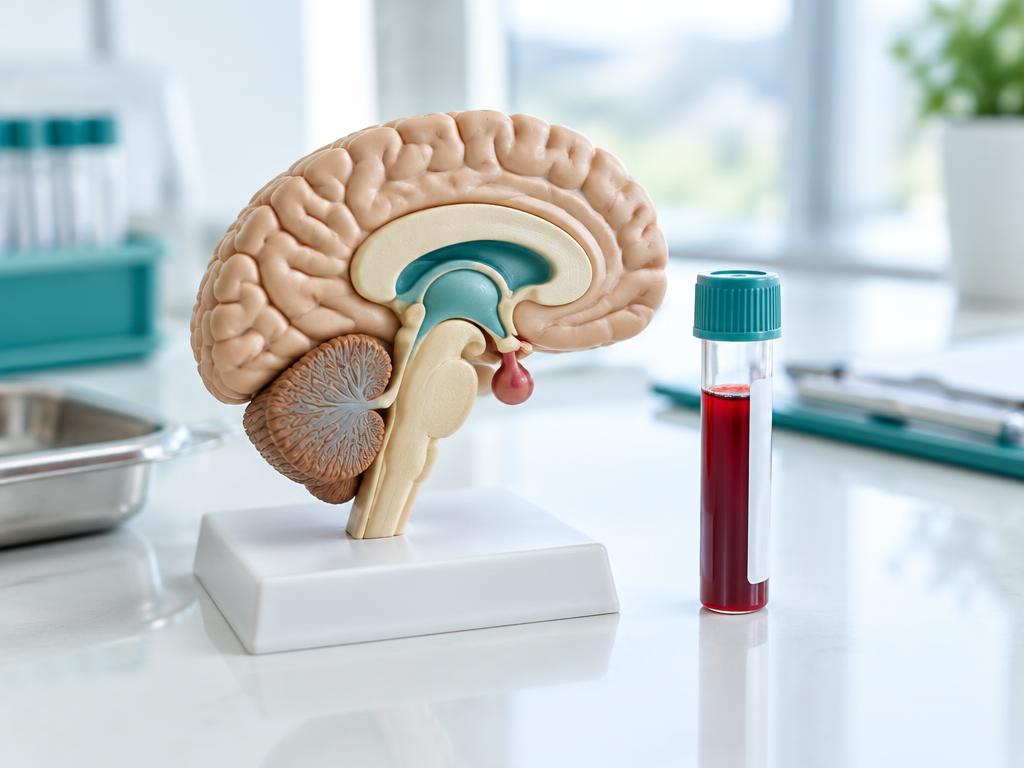
High prolactin can contribute to weight gain in some people, but it does not make weight loss impossible. The connection is complex, and a raised result does not prove it explains your weight. Persistent elevation needs assessment for its cause, symptoms and effects on reproductive hormones, rather than treatment aimed only at weight.
What is prolactin, and how might it affect weight?
Prolactin is a hormone made by the pituitary, a small gland at the base of the brain. Its best-known role is stimulating breast milk production. Persistently high prolactin, called hyperprolactinaemia, can suppress the signals controlling the ovaries or testes, lowering oestrogen or testosterone. These changes may affect body composition, sexual health and bones.
Research also links prolactin with appetite and the body's response to insulin, the hormone that helps glucose enter cells. However, these mechanisms do not establish that a raised blood result causes an individual's weight difficulty. Physiological rises during pregnancy and breastfeeding are not the same as disease.
How strong is the evidence about weight?
Some studies of people with a prolactinoma, a usually non-cancerous pituitary tumour producing prolactin, report higher weight or improvements in weight and metabolic measures after treatment. Much of this evidence comes from small observational studies, which track people rather than randomly assigning treatment. Changes in sex hormones, medicines and other health factors can influence the results.
Treating a confirmed disorder may help some people, but weight loss is neither certain nor the main reason for treatment. Difficulty losing weight alone does not establish a need for prolactin testing or justify a prolactin-lowering medicine.
What does a raised result mean?
One raised result is not a diagnosis. Stress during the blood draw, pregnancy, breastfeeding, some medicines, an underactive thyroid and kidney disease can raise prolactin. Medicines used for mental health conditions or nausea are important examples; do not stop them yourself.
Your clinician may repeat the test, review your medicines and check thyroid and kidney function. They may also check for macroprolactin, a larger form detected by the test that often has little biological effect. Persistent unexplained elevation, symptoms and the degree of elevation guide specialist assessment and whether a pituitary scan is appropriate.
What does treatment involve?
Treatment follows the cause and your symptoms. Some people need monitoring rather than medication. A prolactinoma may be treated with a dopamine agonist, a medicine that mimics a brain chemical which normally restrains prolactin release. These medicines require specialist supervision; they are not general weight-loss treatments. Tell the team about pregnancy plans because fertility can return with treatment.
Weight support can continue alongside investigation. Reviewing sleep, nutrition, other medicines and wider health is more helpful than assuming a single hormone explains everything. Struggling with weight is not evidence of poor effort.
When should you seek help?
Arrange a GP appointment for missed or irregular periods, unexpected milk discharge, reduced sexual desire, erection difficulties or fertility concerns. New or progressive headaches or changes in vision need prompt assessment. A sudden severe headache with vision loss, vomiting or collapse needs emergency care because a rare pituitary emergency must be excluded.
Sources & further reading

Reviewed by
Dr Chinnadorai Rajeswaran
Specialist Endocrinologist · MBBS MRCP FRCP
Last Reviewed: November 2026
Read about fertility concerns and related care.
Related insights
Hypothyroidism and Weight: What Treatment Can and Cannot Fix
Treating hypothyroidism with appropriately prescribed levothyroxine corrects thyroid hormone deficiency but may not resolve weight changes unrelated to the thyroid. Take it as directed, separate it from iron or calcium as advised, and have thyroid tests reviewed before any dose change.

Micronutrients That Support Endocrine Function and Weight Loss
Vitamins and minerals support normal body and hormone function, but taking extra micronutrients has not been shown to cause weight loss when there is no deficiency. Seek testing or advice before supplements, especially high-dose products, and address weight through evidence-based, individualised care.

Why can illness make your thyroid results look abnormal?
Acute or serious illness can alter thyroid-hormone production, conversion, and test results without primary thyroid failure. Results need interpretation with symptoms, medicines, and history; testing or treatment decisions should be made with a clinician, often after recovery when appropriate.