What to Do If You Don't Have an Appetite While on GLP-1 Medications
Quick answer
GLP-1 medicines can reduce appetite, but persistent inability to eat or drink can lead to dehydration and inadequate nutrition. Contact your prescriber if intake is very low or symptoms persist; seek urgent care for repeated vomiting, fainting, severe pain, or signs of dehydration, and do not change the dose on your own.
Clinical perspective
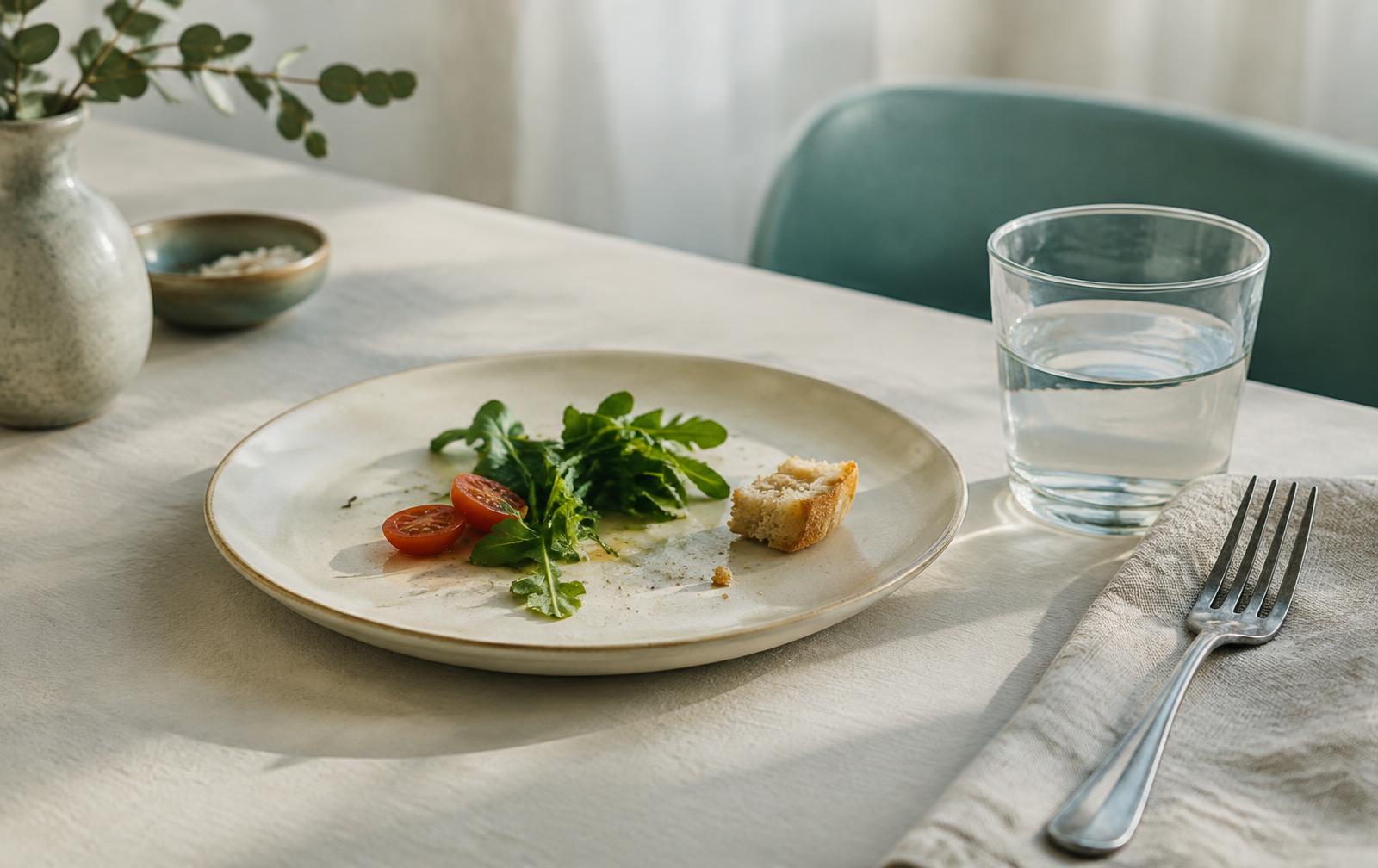
GLP-1 receptor agonists like Mounjaro (tirzepatide) and Wegovy (semaglutide) are remarkably effective at suppressing appetite — sometimes to the point where patients struggle to eat enough.
While reduced caloric intake is part of how these medications work, severely restricting nutrition can lead to muscle loss, fatigue, hair thinning, and micronutrient deficiencies.
Our specialist guidance focuses on nutrient-dense eating rather than volume. We recommend prioritising protein at every meal (aiming for 1.2–1.5g per kg of body weight), choosing nutrient-rich foods over empty calories, and eating small frequent meals rather than trying to manage three large ones.
Hydration is equally important — many patients on GLP-1 medications don't feel thirsty either. We recommend sipping water throughout the day and including hydrating foods like soups and smoothies.
If appetite suppression is severe, dose adjustment may be appropriate. Specialist oversight provides monitoring of your nutritional status and individual review of your treatment plan.

Reviewed by
Dr Chinnadorai Rajeswaran
Specialist Endocrinologist · MBBS MRCP FRCP
Last Reviewed: November 2026
Read about complex severe obesity and related care.
Related insights

Weight Regain After GLP-1 Treatment: Why It Happens
Weight regain after stopping GLP-1 treatment is common because appetite and weight-regulating biology persist, though individual responses differ. Discuss a long-term plan with the prescriber before stopping or restarting, and do not alter doses independently.
Foundayo (Orforglipron): What a Daily Tablet Changes
Foundayo is a once-daily orforglipron tablet licensed in the UK, offering an oral route without the fasting routine required for oral semaglutide. Taking a tablet rather than an injection does not remove the need for a doctor to assess suitability, monitor side effects and review ongoing treatment.
Oral or Injectable GLP-1: How We Choose a Route
Oral and injectable GLP-1 medicines differ in absorption, dosing, evidence, and practical considerations; neither route is automatically best for everyone. A prescriber should choose based on the specific product, medical history, preferences, and local approval, with instructions followed exactly.