Can these medicines cause gallstones?
Quick answer
Gallstones or gallbladder inflammation can occur with Mounjaro, Wegovy or Ozempic, and weight loss itself can also contribute. Seek prompt medical advice for persistent upper abdominal pain, fever or yellowing of the skin or eyes; seek emergency care for severe symptoms.
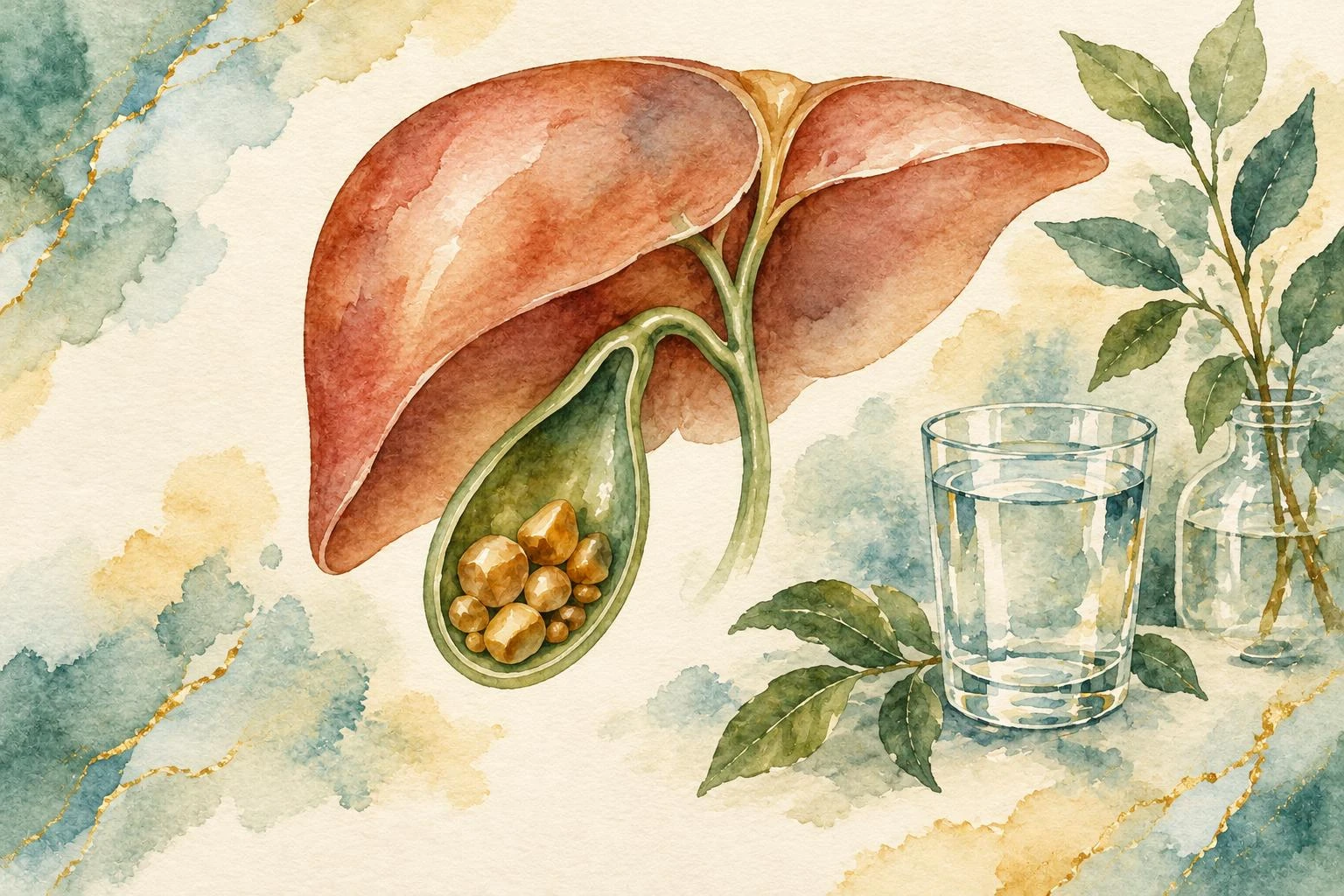
Yes. Gallstones and gallbladder inflammation can occur during treatment with Mounjaro, Wegovy or Ozempic. Weight loss itself can also increase gallstone risk, so the medicine is not necessarily the only cause. Most people will not develop this problem, but persistent upper abdominal pain, fever or jaundice needs prompt medical assessment.
What are gallstones?
Gallstones are solid deposits that form in bile, the digestive fluid stored in the gallbladder beneath the liver. Many cause no symptoms. A stone blocking a drainage tube can cause pain, inflammation or infection. A blockage near the pancreas can also trigger pancreatitis, which is inflammation of the pancreas.
Why might treatment increase the risk?
Weight loss, particularly rapid weight loss, changes the composition of bile and can make stones more likely. Medicines acting on GLP-1, a gut hormone involved in appetite and digestion, may also affect gallbladder emptying. Mounjaro contains tirzepatide, which acts on both GIP and GLP-1 pathways; Wegovy and Ozempic contain semaglutide. Ozempic is a diabetes treatment, not the UK weight-management brand.
How strong is the evidence?
A systematic review of randomised trials found increased gallbladder and bile-duct disease with GLP-1 receptor agonists, particularly in weight-loss trials and with higher doses or longer treatment. This older review is not a direct estimate of tirzepatide risk. Tirzepatide prescribing information separately reports gallbladder events in its trials. These findings do not mean every person develops stones or that different medicines carry identical risk. Personal risk depends on medical history and weight change as well as treatment.
Can you reduce the risk?
Avoid crash diets, prolonged fasting and attempts to accelerate weight loss beyond your agreed treatment plan. Eat regular, nutritionally adequate meals and discuss troubling side effects early. No particular diet, supplement, hydration target or slow dose increase has been proved to prevent medicine-associated gallstones completely. If certain foods provoke pain, tell your clinician; avoiding them is not a substitute for checking the cause.
Can you take these medicines if you already have gallstones?
A previous history is not automatically a reason to rule out treatment. Tell the prescriber about stones, gallbladder surgery, previous pancreatitis and any recent pain. New symptoms may require blood tests and an ultrasound scan. Silent stones do not always need treatment, while symptomatic stones may need surgery. Whether medication should be paused or restarted depends on the diagnosis and clinical review, not a blanket rule.
Which symptoms need urgent help?
Ask for an urgent GP appointment or contact NHS 111 for abdominal pain lasting more than 30 minutes. Call 999 or go to A&E for sudden severe pain, pain spreading to the back with vomiting, high temperature or shivering, or yellow skin or eyes. Do not dismiss these as routine injection side effects. If pancreatitis is suspected, stop the medicine and seek urgent medical advice; if pancreatitis is confirmed, the medicine must not be restarted.
Sources & further reading

Reviewed by
Dr Chinnadorai Rajeswaran
Specialist Endocrinologist · MBBS MRCP FRCP
Last Reviewed: November 2026
Read about medication and related care.
Related insights

Weight Regain After GLP-1 Treatment: Why It Happens
Weight regain after stopping GLP-1 treatment is common because appetite and weight-regulating biology persist, though individual responses differ. Discuss a long-term plan with the prescriber before stopping or restarting, and do not alter doses independently.
Foundayo (Orforglipron): What a Daily Tablet Changes
Foundayo is a once-daily orforglipron tablet licensed in the UK, offering an oral route without the fasting routine required for oral semaglutide. Taking a tablet rather than an injection does not remove the need for a doctor to assess suitability, monitor side effects and review ongoing treatment.
Oral or Injectable GLP-1: How We Choose a Route
Oral and injectable GLP-1 medicines differ in absorption, dosing, evidence, and practical considerations; neither route is automatically best for everyone. A prescriber should choose based on the specific product, medical history, preferences, and local approval, with instructions followed exactly.