Do you need to avoid goitrogenic foods with thyroid disease?
Quick answer
Most people with thyroid disease do not need to avoid ordinary portions of foods such as broccoli, cabbage, or soya. Adequate iodine and correct use of prescribed thyroid medicine matter; seek individualised advice if you have a specific dietary or medical concern.
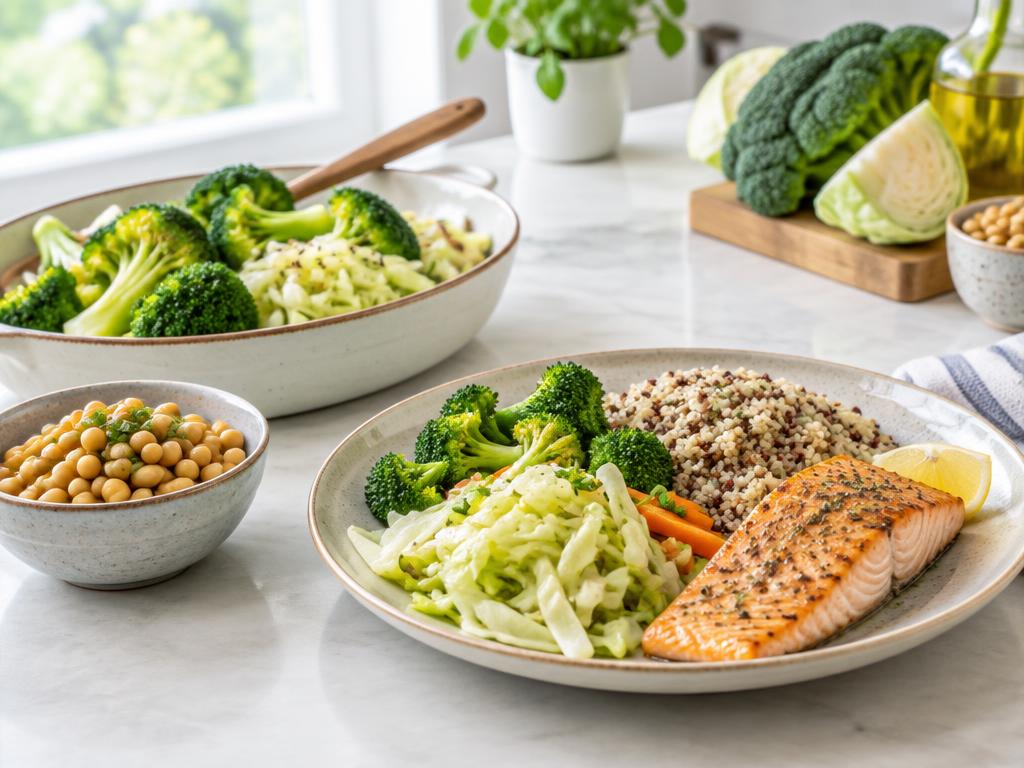
Most people with thyroid disease do not need to avoid goitrogenic foods such as broccoli, cabbage or soya. Ordinary portions within a varied diet are unlikely to cause problems, especially when iodine intake is adequate. Getting enough iodine and taking thyroid medicine correctly matter more than excluding nutritious vegetables.
What does “goitrogenic” mean?
Goitrogens are substances that can interfere with the thyroid's use of iodine or its production of hormones. Iodine is a nutrient needed to make thyroid hormones, which help regulate energy use and many other body functions. The name refers to a goitre, an enlarged thyroid gland; eating a food labelled goitrogenic does not mean it will cause one.
Broccoli, cabbage, cauliflower, kale and Brussels sprouts contain compounds with this potential. Soya and some other foods are also discussed in this context, but their practical effects depend on amount, iodine intake and how food is prepared.
Are normal portions safe with an underactive thyroid?
Usually, yes. Hypothyroidism means the thyroid does not make enough hormone. There is no good evidence that routinely excluding these vegetables improves its treatment. The British Thyroid Foundation describes the risk from brassica vegetables as very low under normal UK dietary conditions.
Concern is greater with unusually large, repeated amounts, particularly raw vegetables or concentrated juices, and inadequate iodine intake. That is different from eating a usual serving of cabbage or broccoli. Cooking reduces the activity of some goitrogenic compounds, but ordinary raw portions are not automatically unsafe.
Hashimoto's thyroiditis, in which the immune system attacks the thyroid, is not a reason by itself to ban these foods. A restrictive diet can make eating harder without treating the underlying condition. Food does not replace prescribed thyroid hormone.
Should you take iodine instead?
Not without advice. Both too little and too much iodine can disturb thyroid function. Kelp, sea moss and “thyroid support” supplements can contain substantial or variable amounts and are not a reliable way to treat thyroid disease.
Fish, dairy foods and eggs provide iodine. If you avoid these, discuss your intake with a dietitian; many plant-based milk alternatives are not iodine-fortified, so check the label rather than assuming they are equivalent. Pregnancy or planning pregnancy makes individual advice particularly important. Do not increase salt intake to obtain iodine.
How should food fit around levothyroxine?
Levothyroxine replaces missing thyroid hormone. Food and certain supplements can reduce its absorption, which is a different issue from damaging the thyroid. Take it consistently as prescribed, usually with water on an empty stomach before breakfast or caffeine-containing drinks. Follow your product leaflet and ask a pharmacist about the timing for your formulation.
Separate calcium-rich foods and calcium supplements from levothyroxine by at least four hours. Iron supplements also need separation; check the interval with your pharmacist. The British Thyroid Foundation advises leaving at least four hours between soya and levothyroxine. If you regularly eat soya or substantially change your intake, tell your clinician because additional thyroid blood tests may be needed. Do not change the dose yourself.
When is individual dietary advice important?
Seek advice if your diet is very restricted, you are planning pregnancy, or thyroid blood results remain outside the intended range despite taking treatment regularly. Mention supplements and any big dietary changes. Persistent fatigue or weight changes deserve review, but do not automatically mean that a particular vegetable is responsible.
A temporary low-iodine diet before some radioactive iodine treatments is a separate, specialist instruction. Follow the treating team's plan rather than general food lists online.
Sources & further reading

Reviewed by
Dr Chinnadorai Rajeswaran
Specialist Endocrinologist · MBBS MRCP FRCP
Last Reviewed: November 2026
Read about hypothyroidism and related care.
Related insights
Hypothyroidism and Weight: What Treatment Can and Cannot Fix
Treating hypothyroidism with appropriately prescribed levothyroxine corrects thyroid hormone deficiency but may not resolve weight changes unrelated to the thyroid. Take it as directed, separate it from iron or calcium as advised, and have thyroid tests reviewed before any dose change.
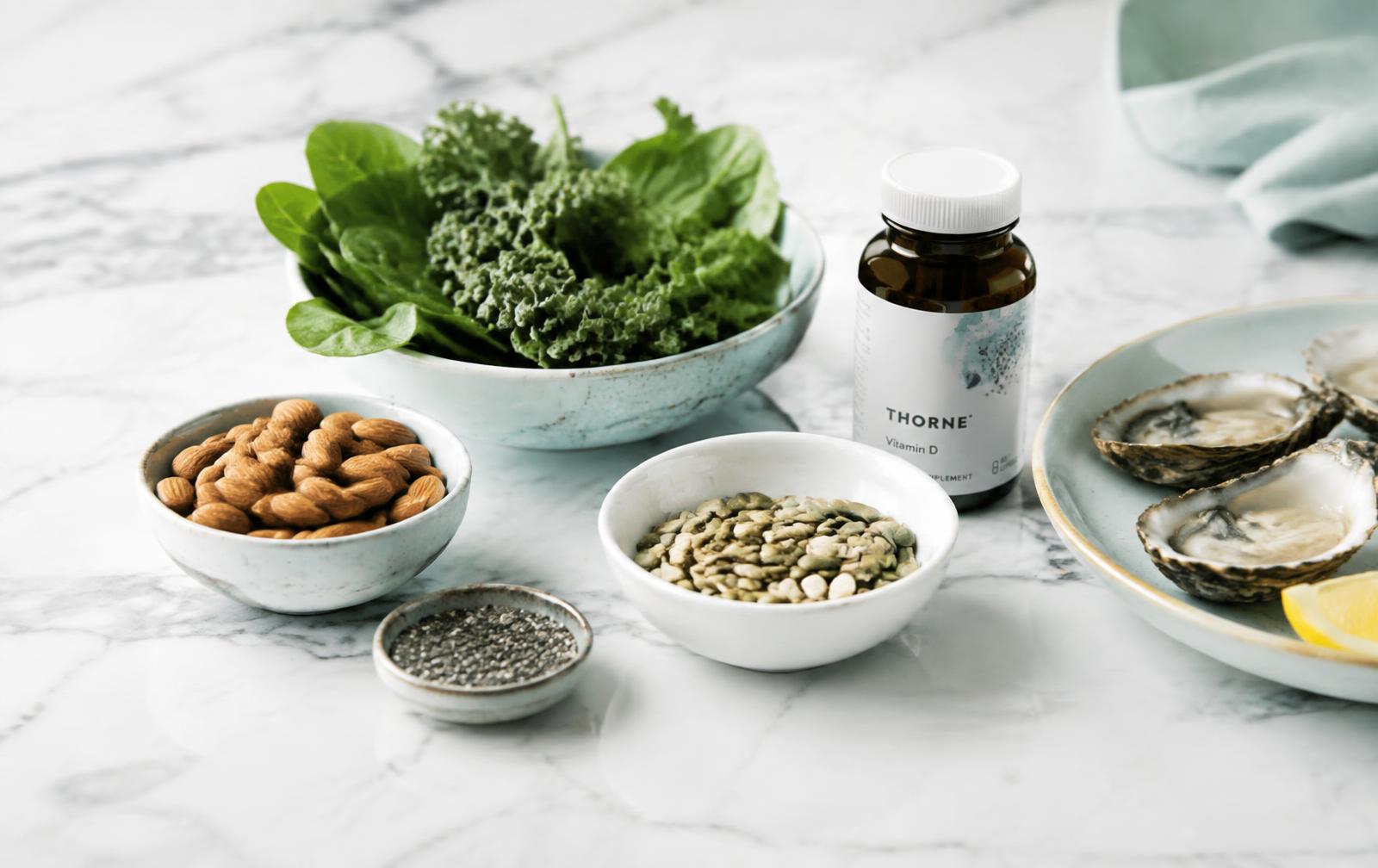
Micronutrients That Support Endocrine Function and Weight Loss
Vitamins and minerals support normal body and hormone function, but taking extra micronutrients has not been shown to cause weight loss when there is no deficiency. Seek testing or advice before supplements, especially high-dose products, and address weight through evidence-based, individualised care.
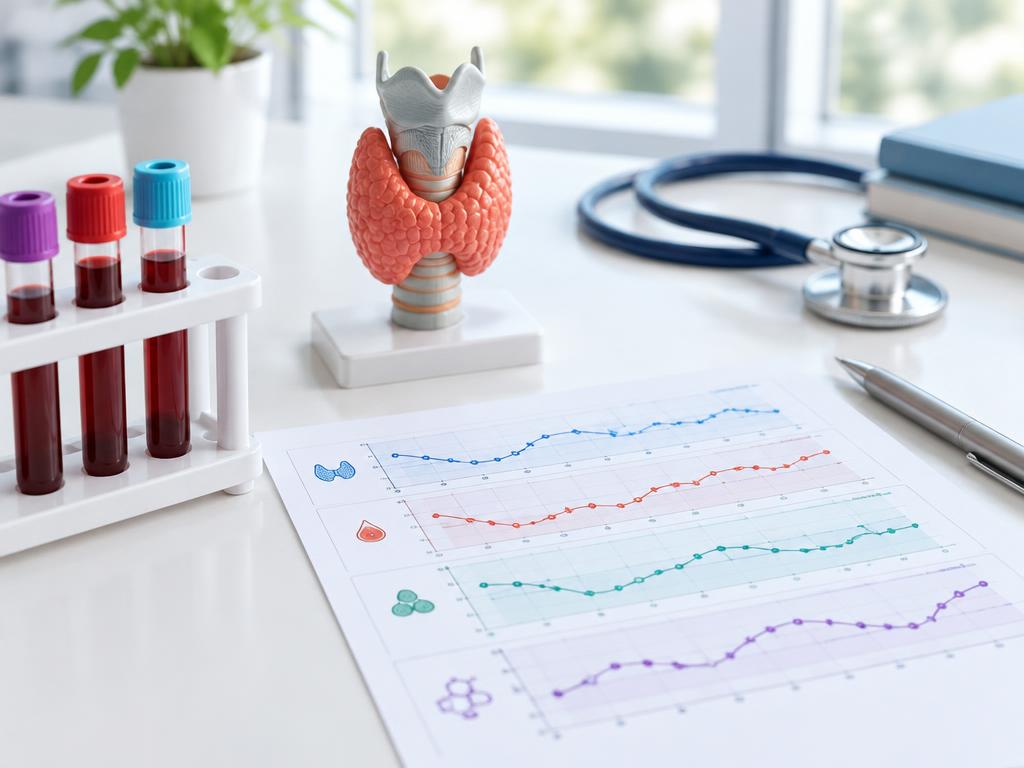
Why can illness make your thyroid results look abnormal?
Acute or serious illness can alter thyroid-hormone production, conversion, and test results without primary thyroid failure. Results need interpretation with symptoms, medicines, and history; testing or treatment decisions should be made with a clinician, often after recovery when appropriate.