Can IBS make it harder to lose weight?
Quick answer
IBS does not inherently prevent weight loss, although pain, bowel symptoms, and restrictive eating can make activity and meals harder. It does not explain every weight change; avoid severe restriction and seek tailored care, especially for unintended weight loss or warning symptoms.
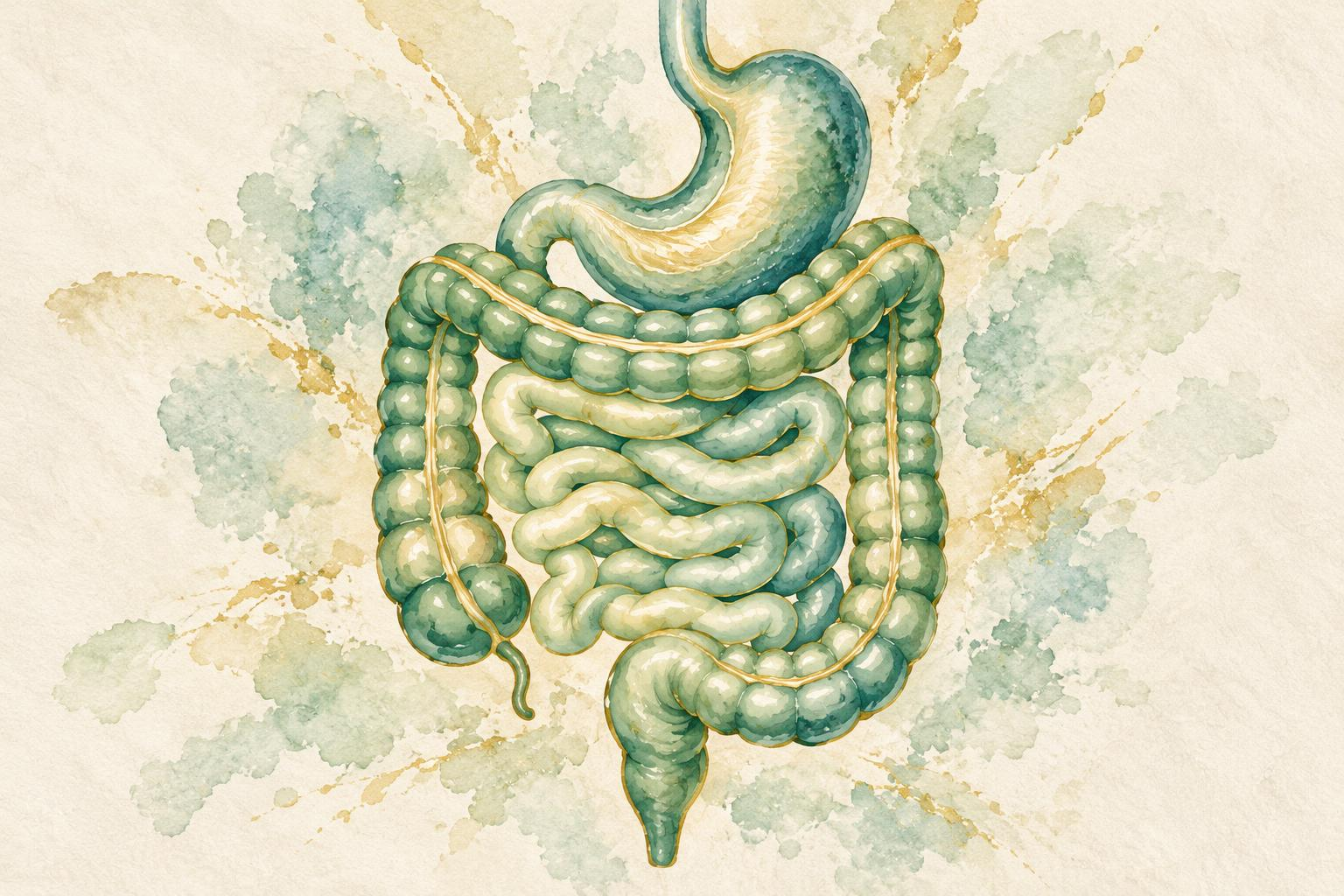
IBS does not inherently prevent weight loss, but pain, bloating, bowel changes and restrictive diets can make eating and activity more difficult. IBS itself does not explain every weight change. Avoid severe restriction; confirm the diagnosis and seek tailored support, especially with unintended weight loss or other warning symptoms.
What is IBS?
Irritable bowel syndrome is a common disorder involving abdominal pain and changes in bowel habits. Symptoms can fluctuate and may affect confidence about meals, exercise and social activities. IBS is not the same as inflammatory bowel disease, and its symptoms should not automatically be blamed for unexplained weight change.
Does IBS stop weight loss?
There is no single effect. Some people find that symptoms disrupt activity or lead them to avoid many foods; others have no meaningful effect on weight. Weight change depends on multiple factors, including intake, health, sleep, medicines and activity. Bloating can change how the abdomen feels without representing a change in body fat.
Could dieting make symptoms worse?
Very restrictive diets can reduce nutritional adequacy and increase stress around eating. The low-FODMAP approach may help some people with IBS, but it is a structured, temporary process involving restriction and reintroduction, ideally with a dietitian. It should not become an indefinite list of forbidden foods.
What can help?
A clinician can confirm whether symptoms fit IBS and consider other causes. Regular meals, adequate fluids and activity may help general health; specific dietary changes should reflect your symptoms and nutritional needs. A dietitian experienced in gastrointestinal conditions can balance symptom management with weight goals without excessive restriction.
When should you seek assessment?
Seek medical advice for unexplained weight loss, blood in stool, persistent fever, anaemia, a mass, new symptoms later in life, or a family history of bowel or ovarian cancer. Severe pain, dehydration or rapidly worsening symptoms also need prompt care. Do not assume these are IBS. The goal is symptom relief and health, not weight loss at any cost.
Practical steps for day-to-day symptoms
A symptom diary can help identify patterns in meals, stress, bowel habits and medicines. Regular meals, adequate fluids and activity as tolerated may help some people, but triggers differ. Avoid broad exclusions without dietetic guidance; low-FODMAP approaches, when considered, are usually structured and time-limited with reintroduction.
Weight concerns and clinical support
IBS itself does not mean weight loss is impossible, and symptoms may make routines harder for some people. Choose gradual, sustainable changes that do not worsen symptoms. Discuss unintended weight loss, blood in stool, persistent vomiting, anaemia or new symptoms with a clinician; these should not automatically be attributed to IBS.
Sources & further reading

Reviewed by
Dr Chinnadorai Rajeswaran
Specialist Endocrinologist · MBBS MRCP FRCP
Last Reviewed: November 2026
Read about complex severe obesity and related care.
Related insights

Fatty Liver Disease (MASLD): The Quietest Metabolic Condition
MASLD is fat buildup in the liver associated with metabolic risk, and normal liver blood tests do not rule out liver scarring. Ask a clinician about risk assessment and fibrosis testing; improving metabolic health and limiting alcohol can help, but avoid crash diets and seek review for known liver disease.

Why Some People Burn More Calories After Eating
The rise in energy use after a meal, called the thermic effect of food, varies with meal size and composition and among individuals. It is a normal, relatively limited part of daily energy expenditure, not a reliable way to predict weight change or justify supplements.

Why do South Asian people carry fat around the middle at a lower BMI?
South Asian adults can have metabolic risk at lower BMI levels, and central fat distribution may add information that BMI misses. BMI is a screening measure, not a diagnosis; use appropriate population-specific thresholds alongside waist and other clinical risk factors.