Does Foundayo treat type 2 diabetes as well as weight?
Quick answer
Yes, the UK authorisation includes improving blood-sugar control in adults with insufficiently controlled type 2 diabetes, as well as a separate weight-management use for adults meeting specified criteria. These indications are distinct and do not promise weight loss or establish personal suitability; follow a prescriber's assessment and product information.
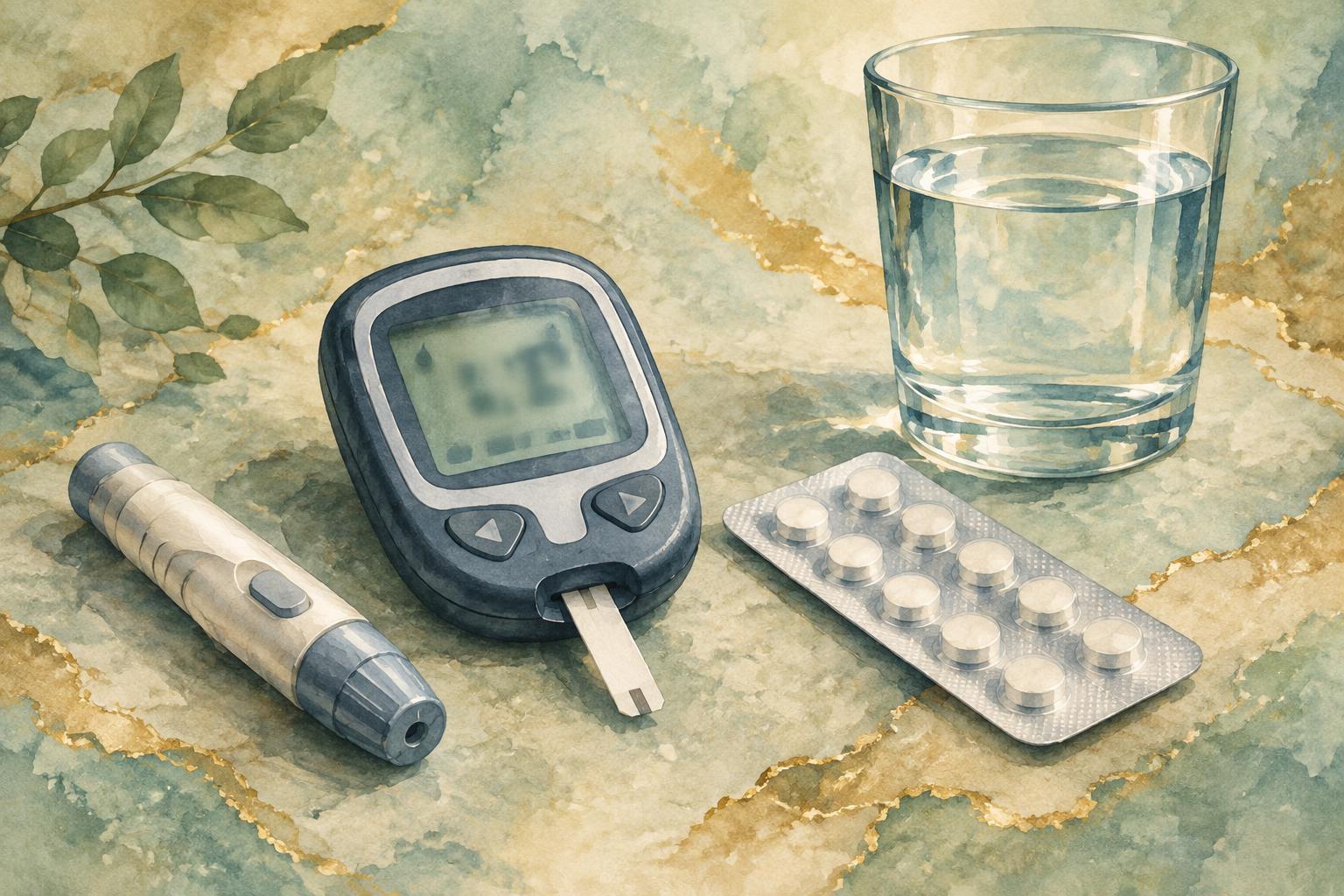
Yes. The UK authorisation includes improving blood-sugar control in adults with insufficiently controlled type 2 diabetes, as well as weight management for adults meeting specified BMI criteria. These are distinct licensed uses: the diabetes indication is not a promise of weight loss, and meeting weight criteria does not establish that diabetes treatment is needed.
What are the two licensed uses?
Foundayo is the brand name for orforglipron, an oral GLP-1 receptor agonist. In the UK, the MHRA announced authorisation on 10 August 2026 for improving glycaemic control in adults whose type 2 diabetes is insufficiently controlled, and for weight loss and weight maintenance in eligible adults. Glycaemic control means keeping blood glucose within a target range agreed with a healthcare professional. The medicine is used within an overall care plan, not as a replacement for clinical review.
Who meets the weight-management criteria?
The weight indication has defined criteria: adults with BMI of 30 or above, or BMI from 27 to below 30 with at least one weight-related comorbidity, alongside reduced-calorie eating and increased physical activity. This should not be conflated with the diabetes indication. A person with type 2 diabetes may or may not meet the weight-management criteria, and the choice of treatment depends on individual needs.
Why does the study population matter?
ATTAIN-1 studied weight management in people without diabetes, so its 11.2% mean weight change at 72 weeks in the highest-dose group cannot be used as evidence of the diabetes-specific effect. The diabetes indication rests on its own clinical evidence and product information. Avoid using weight-loss trial results to claim a particular change in blood glucose, or to predict an individual’s response.
Review existing diabetes medicines
If you have diabetes, do not stop or reduce existing treatment when starting a new medicine unless your prescriber tells you to. Tell them about insulin and other medicines that can lower blood glucose; the whole regimen may need review. Report troublesome or persistent symptoms and follow the monitoring plan you have been given. The current Summary of Product Characteristics (SmPC) and patient leaflet are the authoritative sources for licensed use and safety details.
Pregnancy needs individual care
If you are pregnant, planning pregnancy or breastfeeding, get advice from your diabetes team before any treatment change. Blood-glucose care in pregnancy needs individual planning; do not discontinue essential therapy without clinical guidance.
Agree on the treatment goal
Ask the prescriber which treatment goal is being addressed, what benefit will be assessed and when the plan will be reviewed. Authorisation means a medicine may be prescribed for specified uses; it does not guarantee that it is suitable or effective for every person.
Keep different outcomes separate
The two authorised purposes should also be kept separate when discussing evidence. In people with diabetes, treatment decisions consider blood glucose, other health risks, current medicines and the agreed targets—not weight alone. In a weight-management consultation, eligibility is based on the licensed BMI and comorbidity criteria and broader clinical assessment. Some people may have both goals, but that does not remove the need to define which indication is being treated and how outcomes will be reviewed. Do not infer that a licence for one use means identical benefit or monitoring for the other. Bring any uncertainties to a qualified clinician or pharmacist, who can check the current UK product information and your individual circumstances. Online summaries are useful starting points, not a substitute for that review.
Sources & further reading

Reviewed by
Dr Chinnadorai Rajeswaran
Specialist Endocrinologist · MBBS MRCP FRCP
Last Reviewed: November 2026
Read about diabetes and related care.
Related insights

Weight Regain After GLP-1 Treatment: Why It Happens
Weight regain after stopping GLP-1 treatment is common because appetite and weight-regulating biology persist, though individual responses differ. Discuss a long-term plan with the prescriber before stopping or restarting, and do not alter doses independently.

Foundayo (Orforglipron): What a Daily Tablet Changes
Foundayo is a once-daily orforglipron tablet licensed in the UK, offering an oral route without the fasting routine required for oral semaglutide. Taking a tablet rather than an injection does not remove the need for a doctor to assess suitability, monitor side effects and review ongoing treatment.

Oral or Injectable GLP-1: How We Choose a Route
Oral and injectable GLP-1 medicines differ in absorption, dosing, evidence, and practical considerations; neither route is automatically best for everyone. A prescriber should choose based on the specific product, medical history, preferences, and local approval, with instructions followed exactly.