
38-year-old bodybuilder
- BMI
- 35 kg/m²
- Body fat
- 18%
- Muscle mass
- Above normal
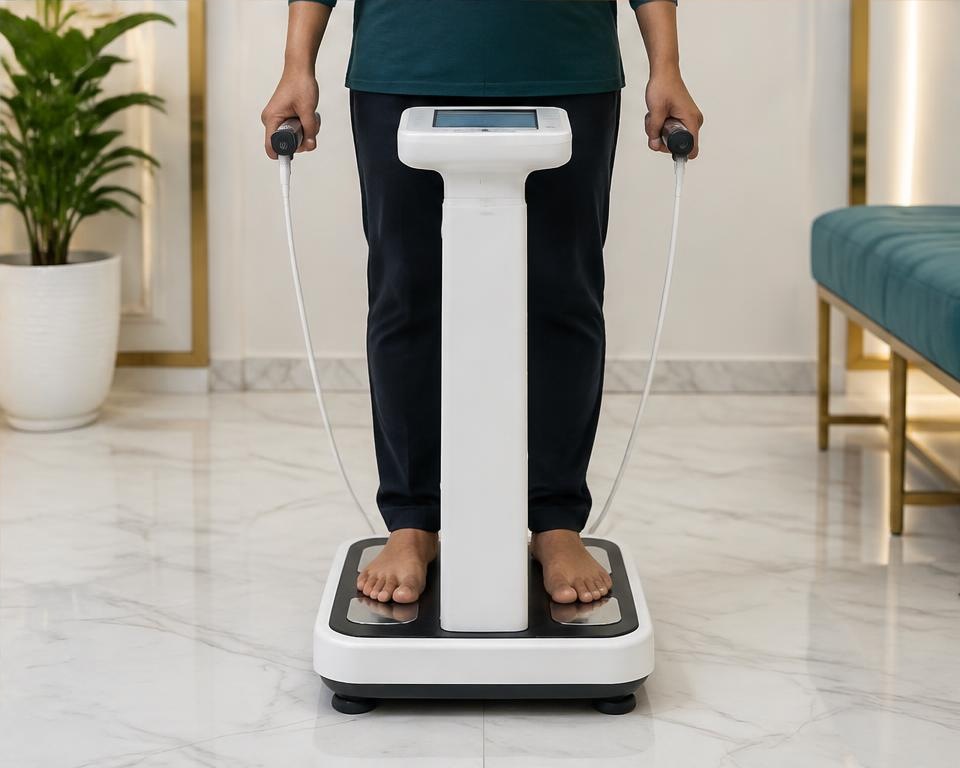
Look beyond body weight to consider fat, muscle and body water as part of a wider clinical assessment.
Fat, muscle and body water tell different stories. We interpret the estimates alongside your health and nutrition, rather than treating a single reading as a diagnosis.
Body composition analysis estimates the components of body weight, including fat, muscle and body water.
Body composition analysis estimates the components of body weight, including fat, muscle and body water. Findings add context to weight and BMI, but do not replace medical assessment.
The clinic team explains how to use the analyser and any preparation required. Measurements can vary with hydration and other factors, so results need careful interpretation.
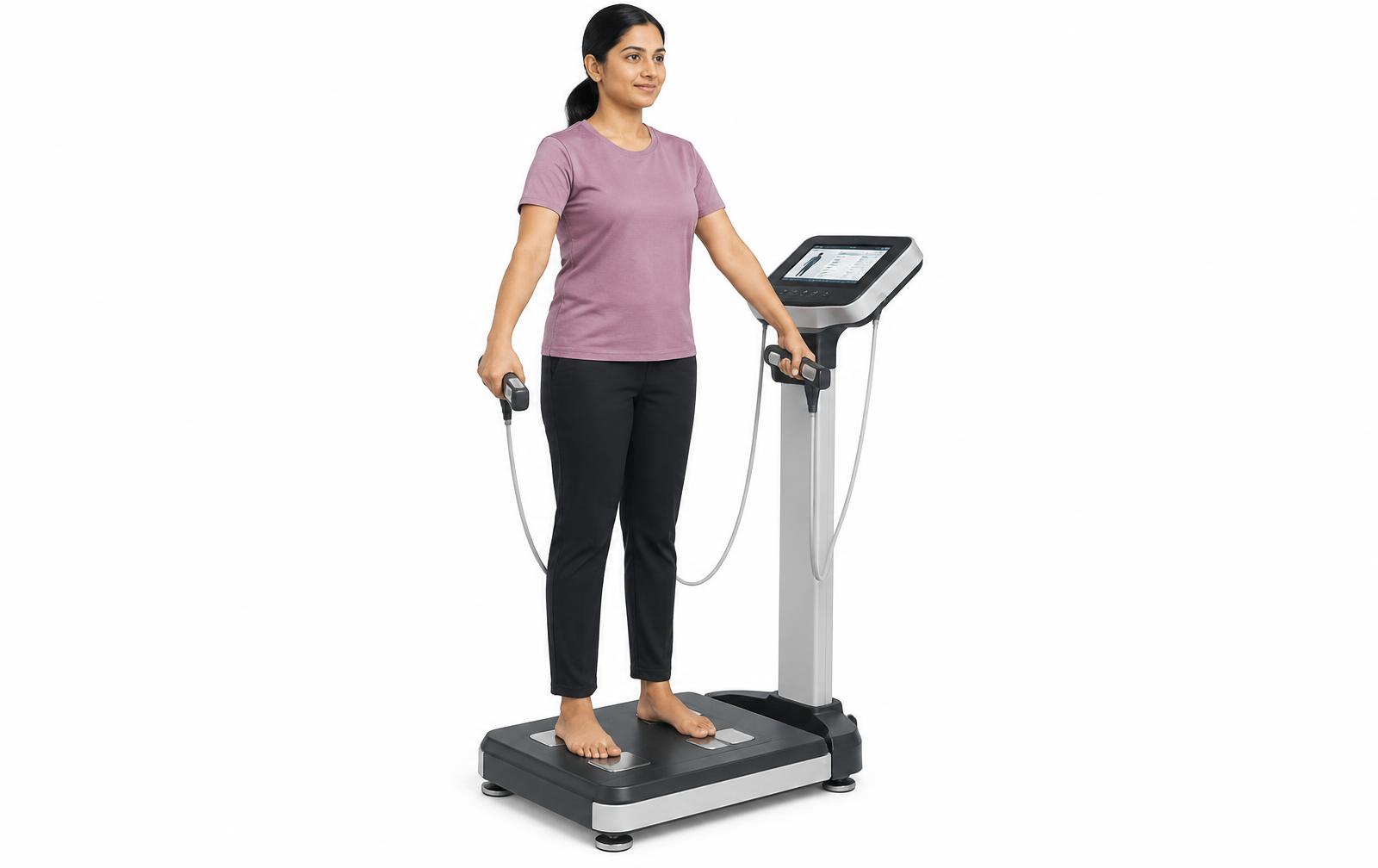
Your doctor or dietitian considers the results alongside your history, nutrition and activity. Where repeat assessment is appropriate, consistent testing conditions help interpretation.
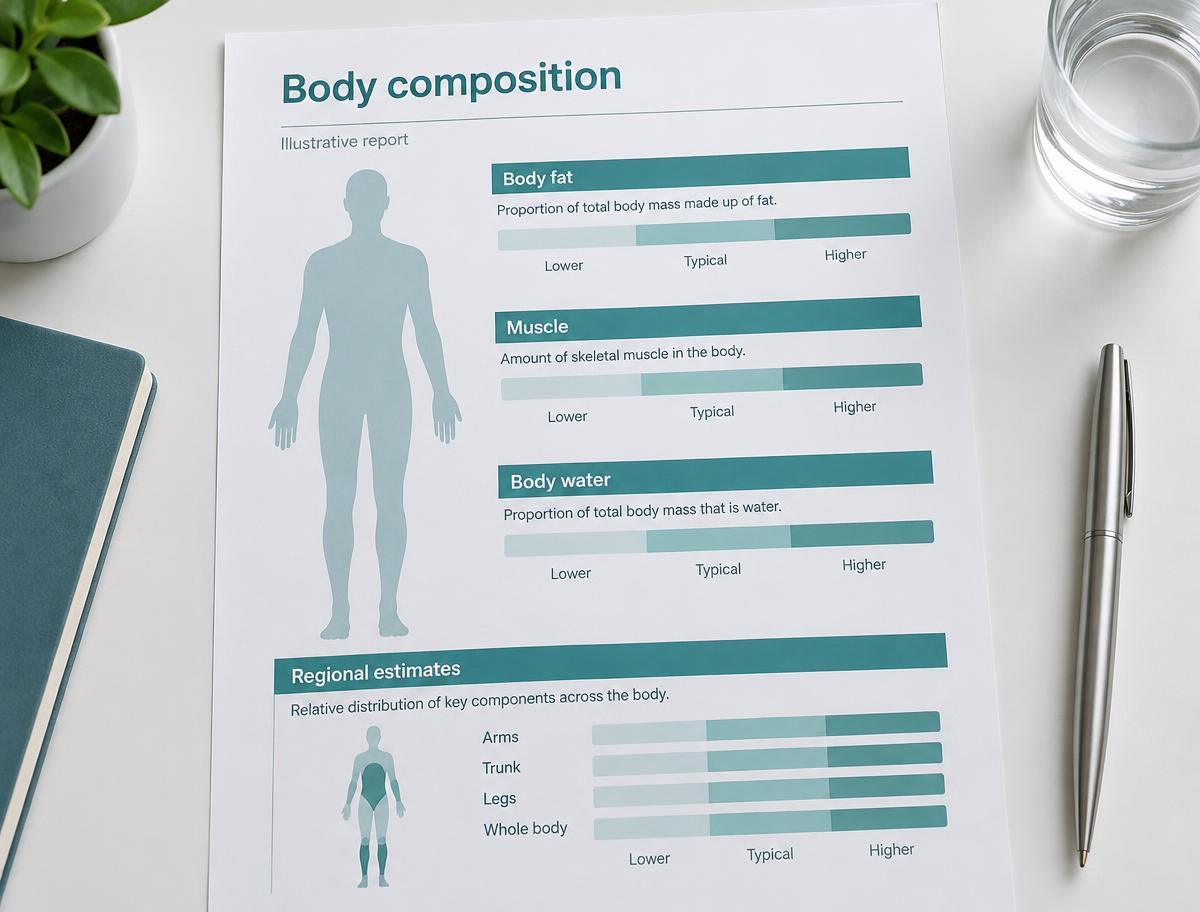
Body composition breaks weight into estimated fat, lean tissue, water and mineral-related components. Some devices provide regional and visceral-fat estimates. Unlike BMI, it can add context about muscle and hydration; it is not a stand-alone diagnosis. It can help guide nutrition, activity and repeat review.
Two illustrative examples contrast a 38-year-old bodybuilder with BMI 35 and an estimated 18% body fat, and a 55-year-old menopausal woman with BMI 42, low muscle, excess extracellular fluid and an estimated 55% body fat. These are illustrative scenarios, not patient testimonials or treatment outcomes. Muscle, fluid and fat can lead to very different interpretations of a similar scale result.
Repeat measurements under consistent conditions can help distinguish changes in fat, muscle and water. A rapid fall on the scale may include fluid loss rather than sustained fat loss. Protecting lean tissue and nutrition matters; the result helps your clinician understand why progress may differ from expectations.
Approximate reference ranges vary by age and sex. They are not diagnostic targets for everyone; age, sex, health and the measurement method affect interpretation.
| Age | Men | Women |
|---|---|---|
| 20–39 | 8–19% | 21–32% |
| 40–59 | 11–21% | 23–33% |
Reference ranges: American Journal of Clinical Nutrition, as cited in the supplied clinic guide.
Recent exercise, fluid intake and menstrual-cycle changes can affect a reading. Ask for analyser-specific preparation instructions and consistent timing; do not restrict fluids against medical advice. Pregnancy, a pacemaker or metal implants require device-specific safety review. Tell the team about heart, kidney or liver failure, since fluid balance affects interpretation.
Talk to our Chennai team about Body Composition Analysis. Your suitability, care and cost are explained before you decide.
Flat B1, First Floor, 14 Dr. Nair Road · T. Nagar, Chennai 600017
A joined-up assessment for diabetes and weight concerns, bringing clinical review, investigations and nutritional guidance together.
Explore assessment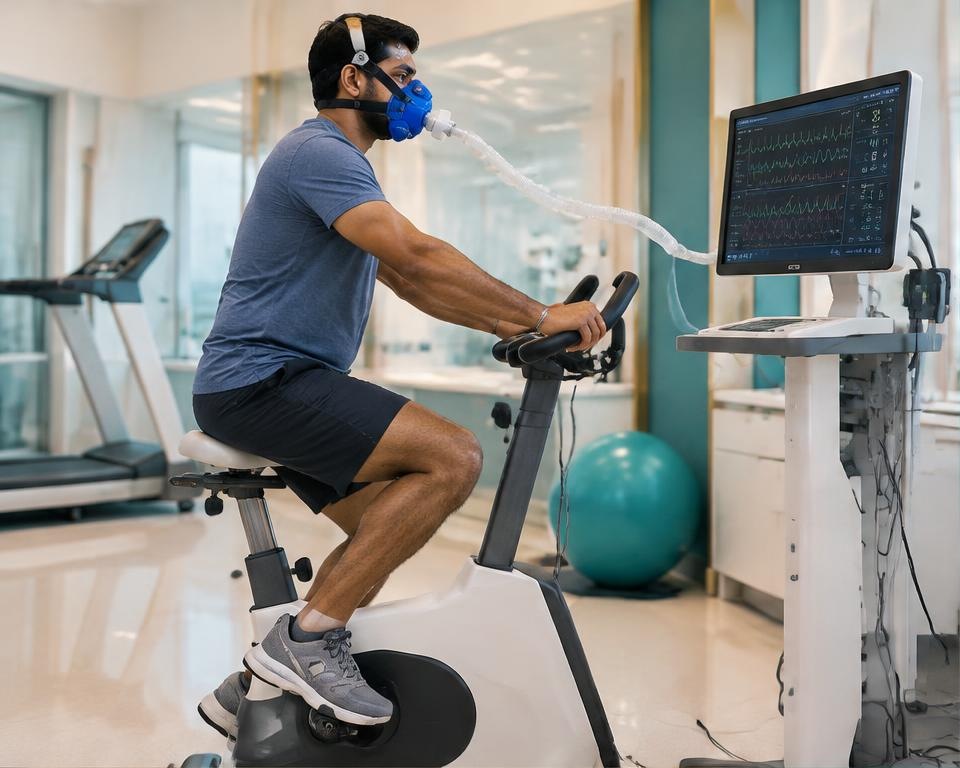
An exercise-based assessment of oxygen uptake and cardiorespiratory fitness, with suitability checked first.
Explore assessment
Investigate sleep-related concerns with overnight monitoring and clinical interpretation of the results.
Explore assessment