
Master Metabolic Health Checkup
A joined-up assessment for diabetes and weight concerns, bringing clinical review, investigations and nutritional guidance together.
Explore assessment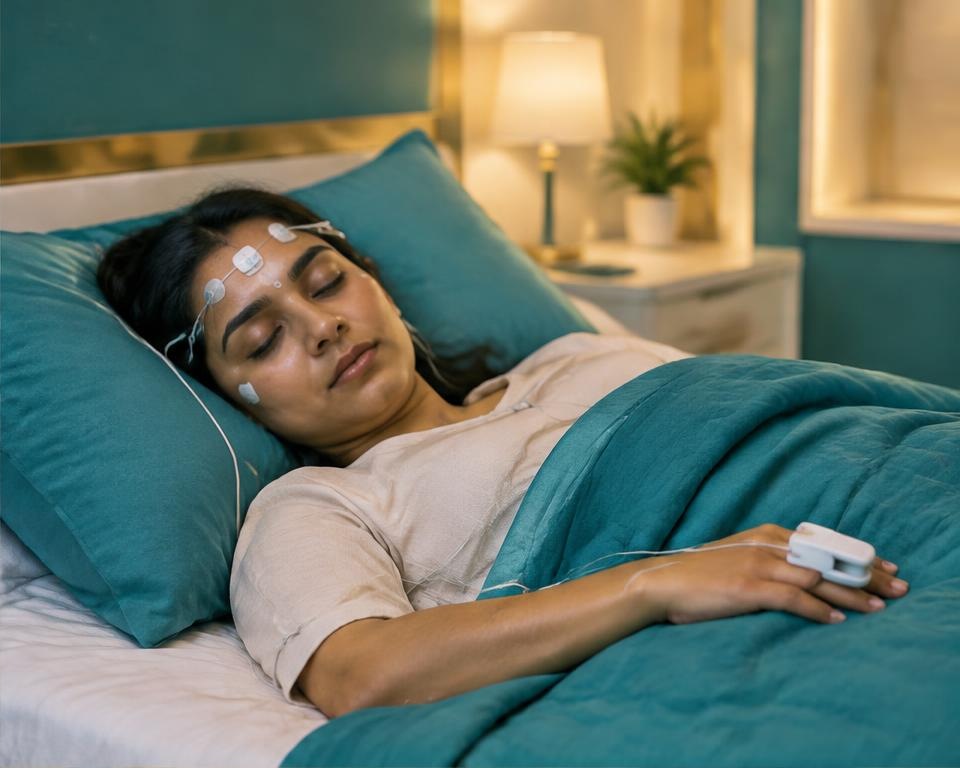
Investigate sleep-related concerns with overnight monitoring and clinical interpretation of the results.
Snoring, pauses in breathing and daytime sleepiness need more than a sleep score. We connect overnight measurements with your symptoms and medical history.
A sleep study records breathing, heart rate and other signals during sleep.
A sleep study records breathing, heart rate and other signals during sleep. It may be recommended to investigate concerns such as suspected sleep apnoea, after a clinical assessment.
The clinic describes studies at home or in a hotel. Sensors collect information about breathing, heart rate and brain activity while you sleep; the team confirms the arrangements and explains how to prepare.
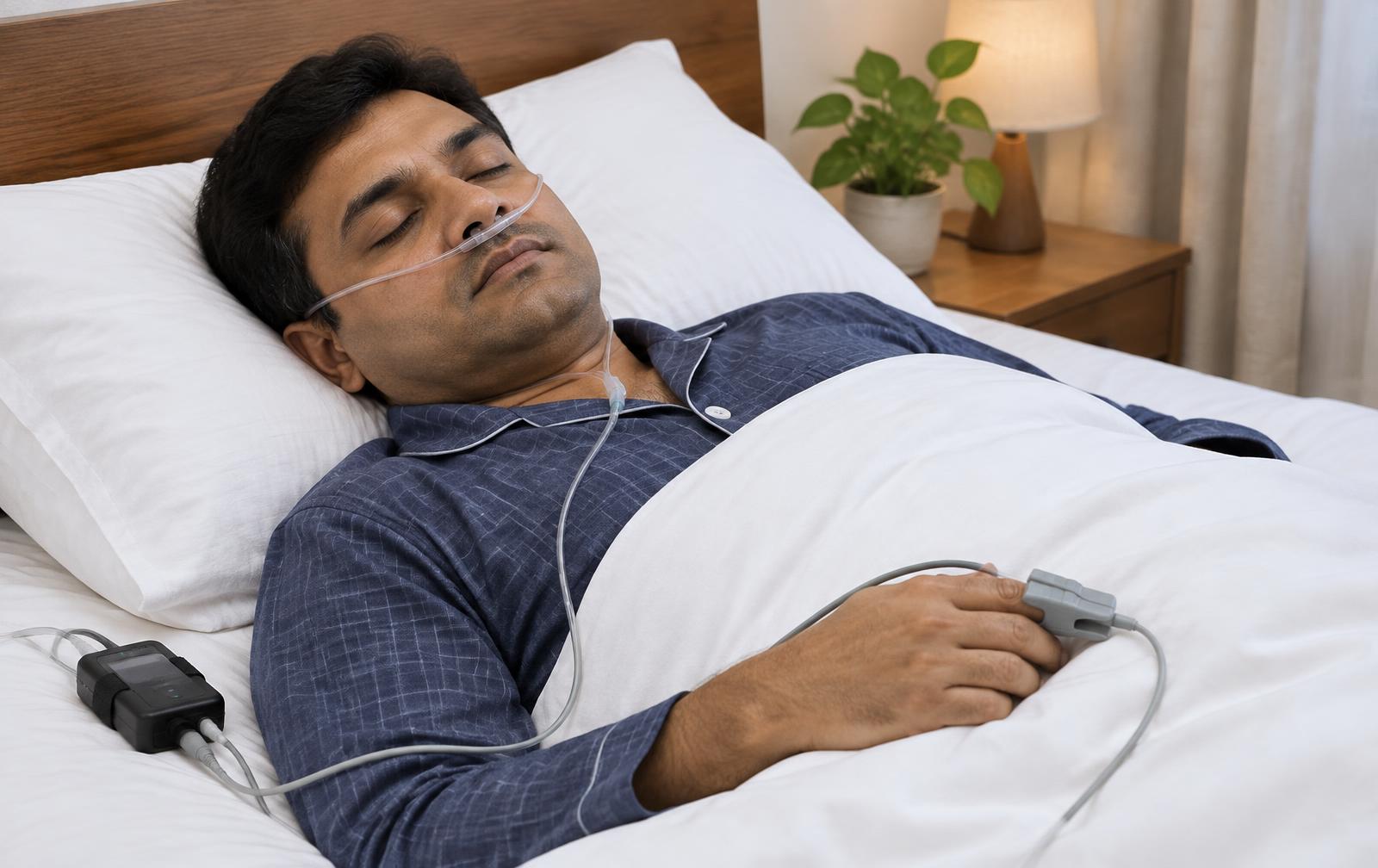
Your recorded data is reviewed to support a diagnosis. The clinician explains the findings and, where needed, discusses further investigation or options such as sleep-apnoea treatment.
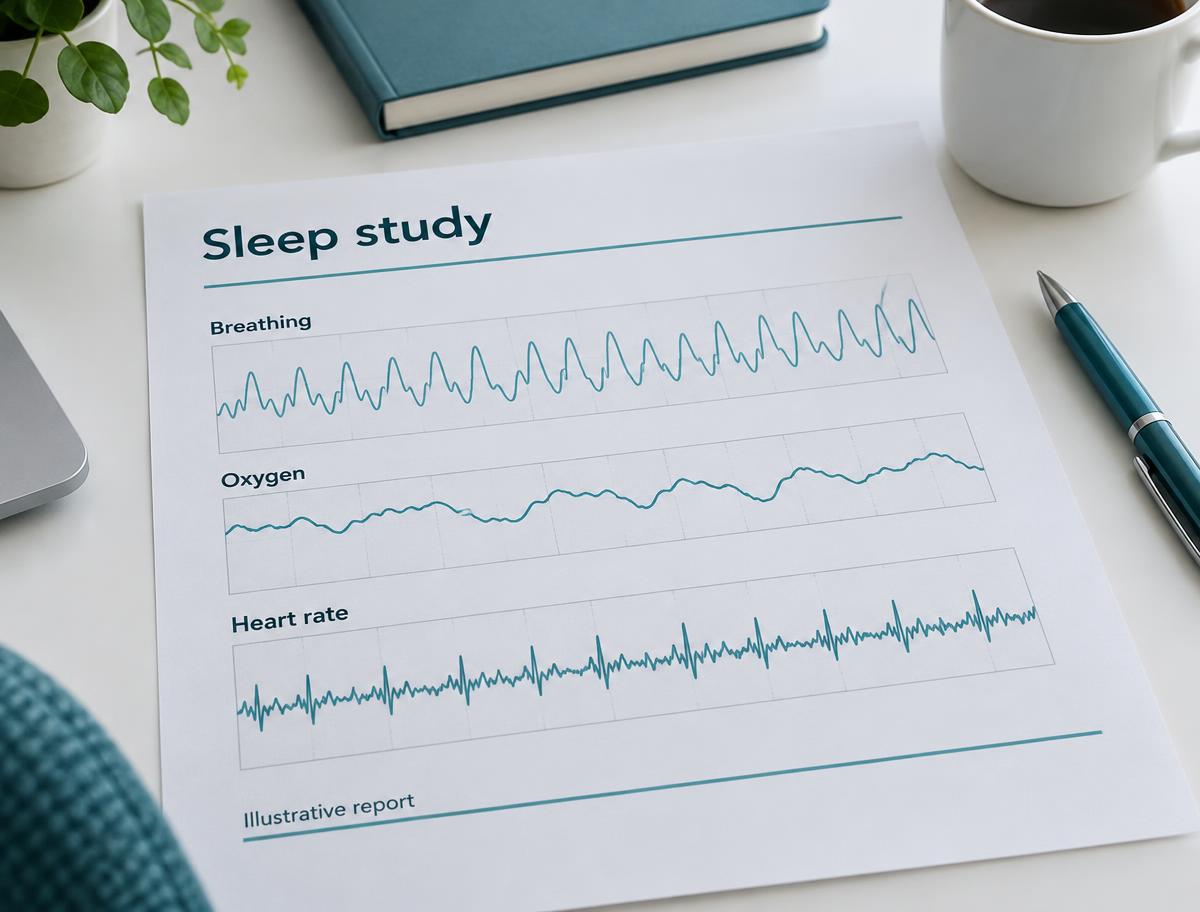
A sleep study records selected signals while you sleep. Full polysomnography can include brain waves, heart rate and breathing; a home respiratory study measures fewer signals. The clinic confirms the appropriate test for suspected sleep apnoea or other sleep concerns. A home respiratory study cannot diagnose every sleep disorder.
The clinic can arrange testing at home or in a hotel. After the doctor checks suitability, sensors are attached and overnight signals are recorded. The data is analysed by a specialist and discussed with your symptoms before a diagnosis or treatment recommendation is made.
Sleep apnoea involves repeated pauses or reductions in breathing. Obstructive apnoea involves airway narrowing or collapse; central apnoea involves disrupted breathing signals. Disturbed sleep and reduced oxygen can contribute to daytime sleepiness, blood-pressure and cardiovascular concerns. Sleepiness can increase accident risk; seek advice about driving if affected.
Options depend on the diagnosis and severity. They can include lifestyle and weight-related care, CPAP or selected other treatments, with surgery considered only in suitable cases. CPAP supplies continuous air through a nose or nose-and-mouth mask to help keep the airway open in obstructive sleep apnoea. The study itself is an investigation, not treatment.
Talk to our Chennai team about Sleep Study. Your suitability, care and cost are explained before you decide.
Flat B1, First Floor, 14 Dr. Nair Road · T. Nagar, Chennai 600017
A joined-up assessment for diabetes and weight concerns, bringing clinical review, investigations and nutritional guidance together.
Explore assessment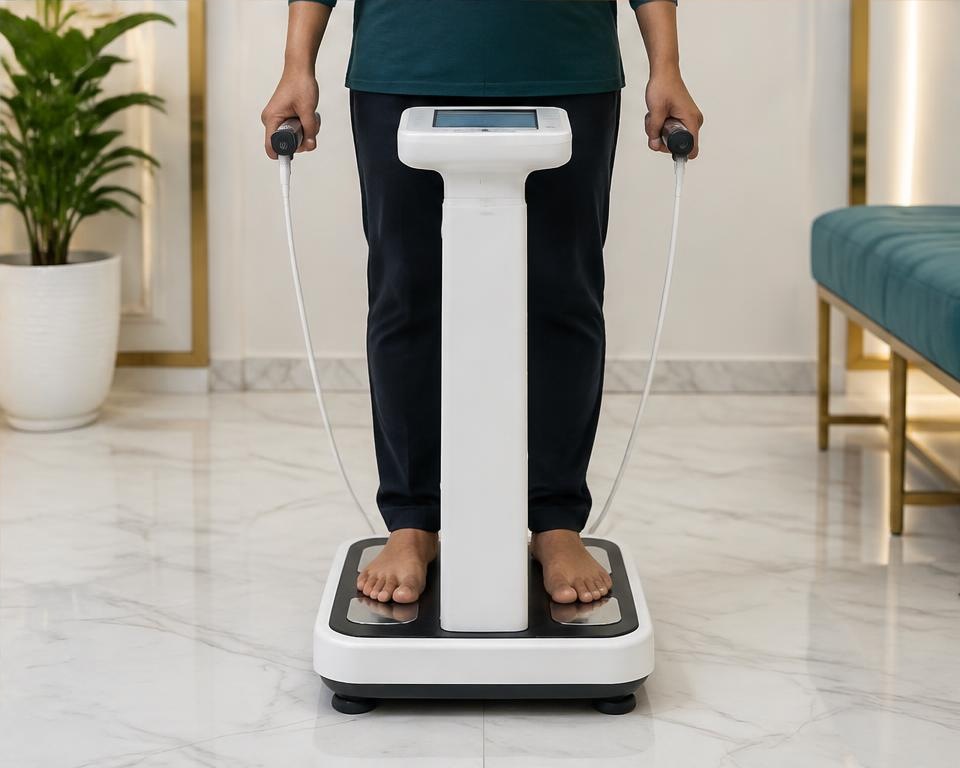
Look beyond body weight to consider fat, muscle and body water as part of a wider clinical assessment.
Explore assessment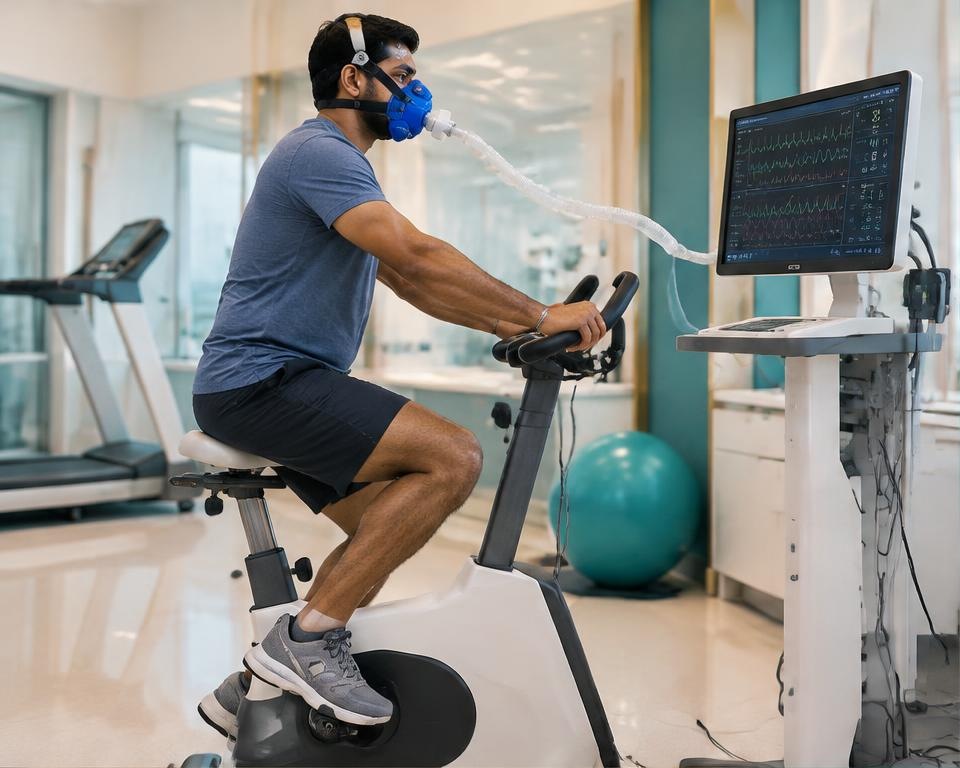
An exercise-based assessment of oxygen uptake and cardiorespiratory fitness, with suitability checked first.
Explore assessment