It starts with a consultation
Nothing is prescribed without one.

(Semaglutide)
Once-weekly injection penA once-weekly semaglutide injection considered within specialist-led, long-term weight care.
Nothing is prescribed without one.
A doctor reviews your medical history, current medicines, conditions and the factors driving your weight before any treatment is recommended.
It is prescribed following your consultation. In the UK, treatment is dispensed by a licensed pharmacy and delivered to your address anywhere in the UK. In Chennai, it is collected in person from the clinic.
Nothing is issued on repeat without review. Before each supply you tell us how you are getting on, and a doctor reviews how you are responding, how you are tolerating treatment and anything that has changed before deciding.
Every prescription follows individual review by a doctor and stays under ongoing clinical supervision.
Patients are invited to regular online education evenings and live Q&A sessions, covering nutrition, muscle preservation, managing side effects and planning for the long term.
You can tell us about side effects or concerns at any point between consultations, not only at your next appointment.
In the UK, dispensed by a licensed pharmacy and delivered to your door anywhere in the UK with tracked delivery. In Chennai, collected in person from the clinic.
Wegovy contains semaglutide, a prescription medicine used alongside a reduced-calorie diet and increased physical activity for weight management in people who meet the licensed criteria.
This page covers the once-weekly Wegovy injection pen. A doctor reviews suitability, injection technique and ongoing monitoring before treatment.
It acts on the GLP-1 receptor, helping regulate appetite and food intake. Suitability depends on your medical history, current medicines, pregnancy plans and the balance of potential benefit and risk.
Semaglutide acts on GLP-1 receptors involved in appetite regulation, which may reduce hunger and food intake.
Gastric emptying slows, so smaller portions feel satisfying for longer when combined with nourishing eating patterns.
Changes in intake and weight can affect diabetes and blood-pressure treatment, so monitoring belongs inside the care plan.

Wegovy is injected under the skin once a week. Follow the instructions for the pen supplied with your prescription and ask your clinical team to demonstrate the technique.
In the STEP 1 trial, adults with obesity taking semaglutide 2.4mg alongside lifestyle support lost significantly more weight than those on placebo across 68 weeks. Averages describe study groups, not individuals.
STEP 1, New England Journal of Medicine, 2021. Semaglutide has also been studied for cardiovascular outcomes in the SELECT trial, which was conducted in people without diabetes.
Wegovy is a once-weekly self-injection. Dose increases are gradual — normally at four-week intervals — and depend on tolerance and clinical review.
Most people reach a maintenance dose of 2.4mg. A prescriber may consider 7.2mg if needed after at least four weeks at 2.4mg, only for adults with obesity and an initial BMI of at least 30 — not adolescents or adults whose initial BMI was below 30.
Do not change your dose unless your doctor has told you to.
0.25mg is a starting dose only. 2.4mg is the usual maintenance dose; 7.2mg is a higher option used only where clinically appropriate, after review of response and tolerance.
Discuss your care with the clinic that is right for you.
Like all medicines, Wegovy may cause side effects. Most are mild and settle as your body adjusts. Seek urgent medical help for severe, persistent abdominal pain, especially if it spreads to the back, with or without vomiting.
Always read the Patient Information Leaflet. Contact your clinic or your doctor with any concerns.
Read the Wegovy injection patient information leafletSemaglutide is prescribed within a wider clinical picture. Here is where it fits condition by condition, with published evidence for each.

Obesity with several interacting drivers — hormonal, medication-related, psychological and metabolic.
Read the condition pageWhere Wegovy fits: One component of a coordinated plan built after blood tests, alongside nutrition, movement and psychological support.
Published evidence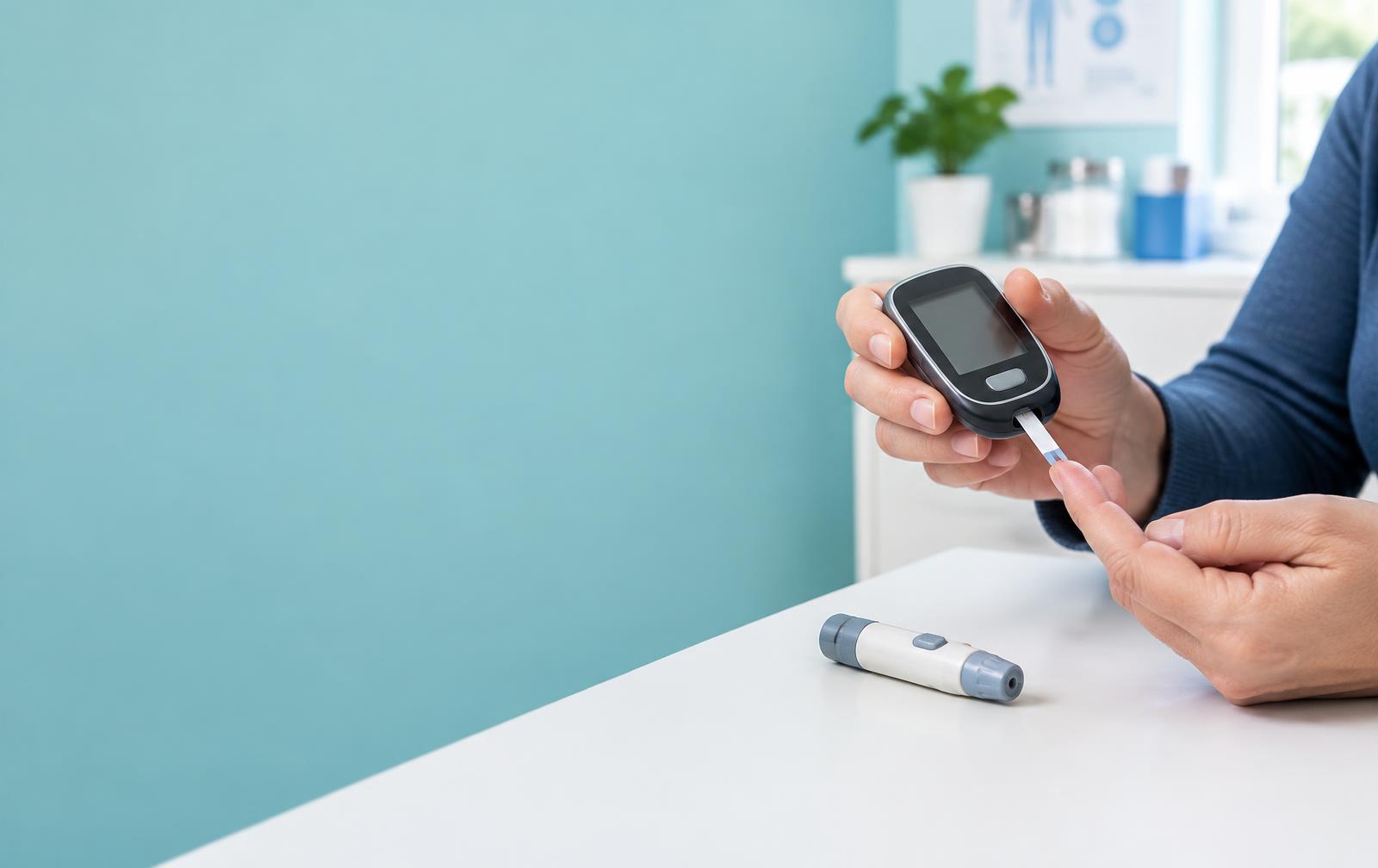
Raised glucose, blood pressure and lipids that commonly travel with excess weight.
Read the condition pageWhere Wegovy fits: Weight reduction usually improves glucose control, so diabetes medicines need reviewing; semaglutide has also been studied for cardiovascular outcomes, in a trial of people without diabetes.
Published evidence
Excess liver fat that can progress silently to inflammation and scarring.
Read the condition pageWhere Wegovy fits: Considered alongside regular monitoring — liver function tests and FibroScan — because weight reduction is the main lever on liver fat.
Published evidence
Falling oestrogen shifts fat distribution, sleep and appetite regulation at midlife.
Read the condition pageWhere Wegovy fits: Used with attention to muscle preservation, bone health and, where appropriate, HRT — reviewed together rather than in isolation.
Published evidence
Vascular function, testosterone and insulin resistance are closely tied to weight.
Read the condition pageWhere Wegovy fits: Weight reduction can improve vascular and hormonal markers; assessment always looks for cardiovascular causes first.
Published evidence
Regain after surgery is common and does not mean the operation failed.
Read the condition pageWhere Wegovy fits: Prescribed to protect the result where regain occurs, with nutrition and micronutrient monitoring alongside.
Published evidenceThe Specialist Weight Management Plan is our most intensive option for the most complex cases. Dr Raj recommends it after your initial consultation where it is the right level of support. Not everyone needs it. For others, consultations and review alone are enough, and what you are offered depends on what is actually going on.
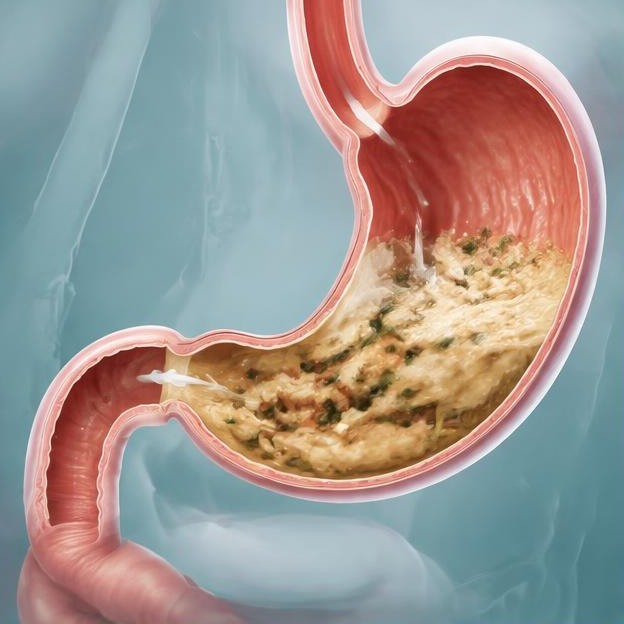
GLP-1 medicines slow stomach emptying, which can cause nausea, fullness, constipation, or, rarely, more serious motility problems; symptoms are not always preventable. Eat smaller meals and follow the prescriber's advice, and seek urgent assessment for severe persistent pain, repeated vomiting, or inability to keep fluids down.

Side effects cannot always be prevented; taking dose increases only as prescribed, eating smaller meals and drinking enough may ease common digestive symptoms. Contact your prescriber for persistent vomiting or difficulty eating or drinking, and get urgent care for severe abdominal pain, allergic symptoms or sudden vision changes.

Gallstones or gallbladder inflammation can occur with Mounjaro, Wegovy or Ozempic, and weight loss itself can also contribute. Seek prompt medical advice for persistent upper abdominal pain, fever or yellowing of the skin or eyes; seek emergency care for severe symptoms.

Wegovy may help eligible adults lose weight, including during menopause, but evidence does not show a menopause-specific effect and results vary. A clinician can assess whether it is appropriate alongside other causes and risks; it should not be used during pregnancy, and treatment planning matters if pregnancy is possible.

Wegovy is not an established treatment for PCOS, although weight loss in some eligible patients may improve metabolic or ovulatory features; direct PCOS evidence remains limited. Discuss PCOS-specific care and medication suitability with a clinician, including contraception and pregnancy plans, and avoid it during pregnancy.
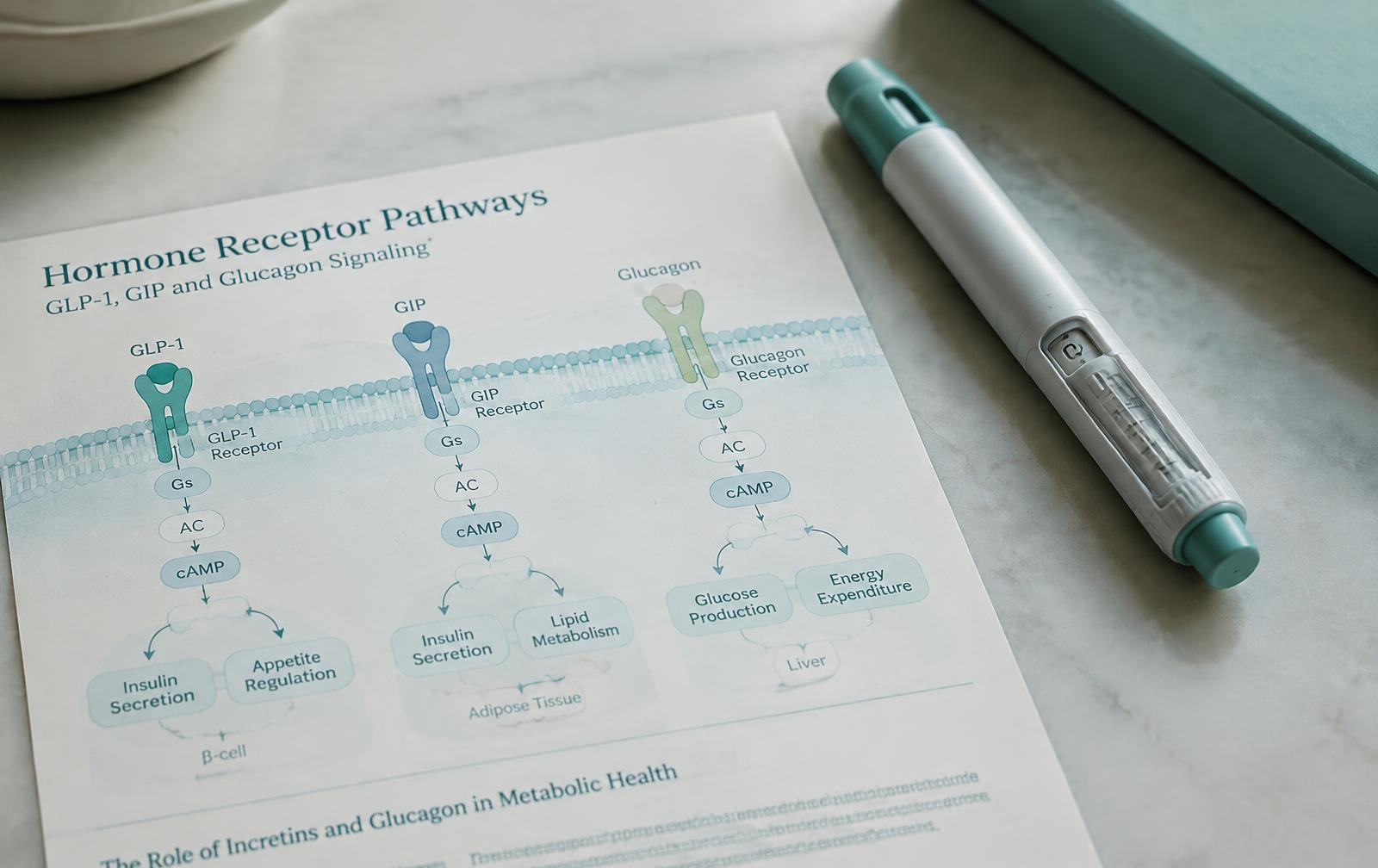
People vary in their response to semaglutide, and limited weight change does not necessarily mean they are biologically 'resistant.' Dose and duration, missed doses, other medicines, health conditions and individual biology can matter; review progress with a prescriber before changing treatment.
Treatment is one option among several, and which one suits you depends on your history, your other conditions and what has been tried before. That is what the consultation is for.